
Share This Article
Buffering wheels and dropped connections are the fastest way to ruin a movie night or a live match. A fast VPN for streaming needs to do more than hide an IP address; it has to hold a stable, high-speed tunnel open for hours without flinching. it.me builds its network around that exact need, pairing wide server coverage with modern protocols so HD playback stays smooth from the first minute to the last.
What Makes hide.me Built for Streaming
Plenty of VPNs claim to support streaming, but hide.me designs around it directly. The service describes its network as built for streaming, with stable connections optimized for HD video and locations chosen specifically to keep buffering away. That framing matters because a general-purpose VPN server, congested with mixed traffic, often cannot sustain the throughput that high-definition video demands.
Instead of treating streaming as an afterthought, hide.me positions server stability and consistent throughput as core design goals. This is one of the clearer signals that a provider has engineered its infrastructure with video playback in mind, rather than bolting on a marketing claim after the fact.
Server Locations and HD Video Stability Across 57+ Countries
the brand.me connects to 57+ countries, spanning locations from Lisbon and Zagreb to Toronto, Querétaro, and multiple cities across the United States. That spread includes several multi-city coverage zones, such as four French locations and six American ones, which gives a dense set of entry points rather than a single server per region. A wider spread of locations also tends to reduce the physical distance between a device and a chosen server, which generally helps with both latency and HD video stability.
Because the network reaches so many countries, unrestricted access to content from different regions becomes a practical reality rather than a theoretical promise. This is part of why a fast VPN for streaming benefits from geographic breadth, not just raw server speed.
WireGuard Protocol and 10 Gbit Backbones: The Speed Behind Smooth Playback
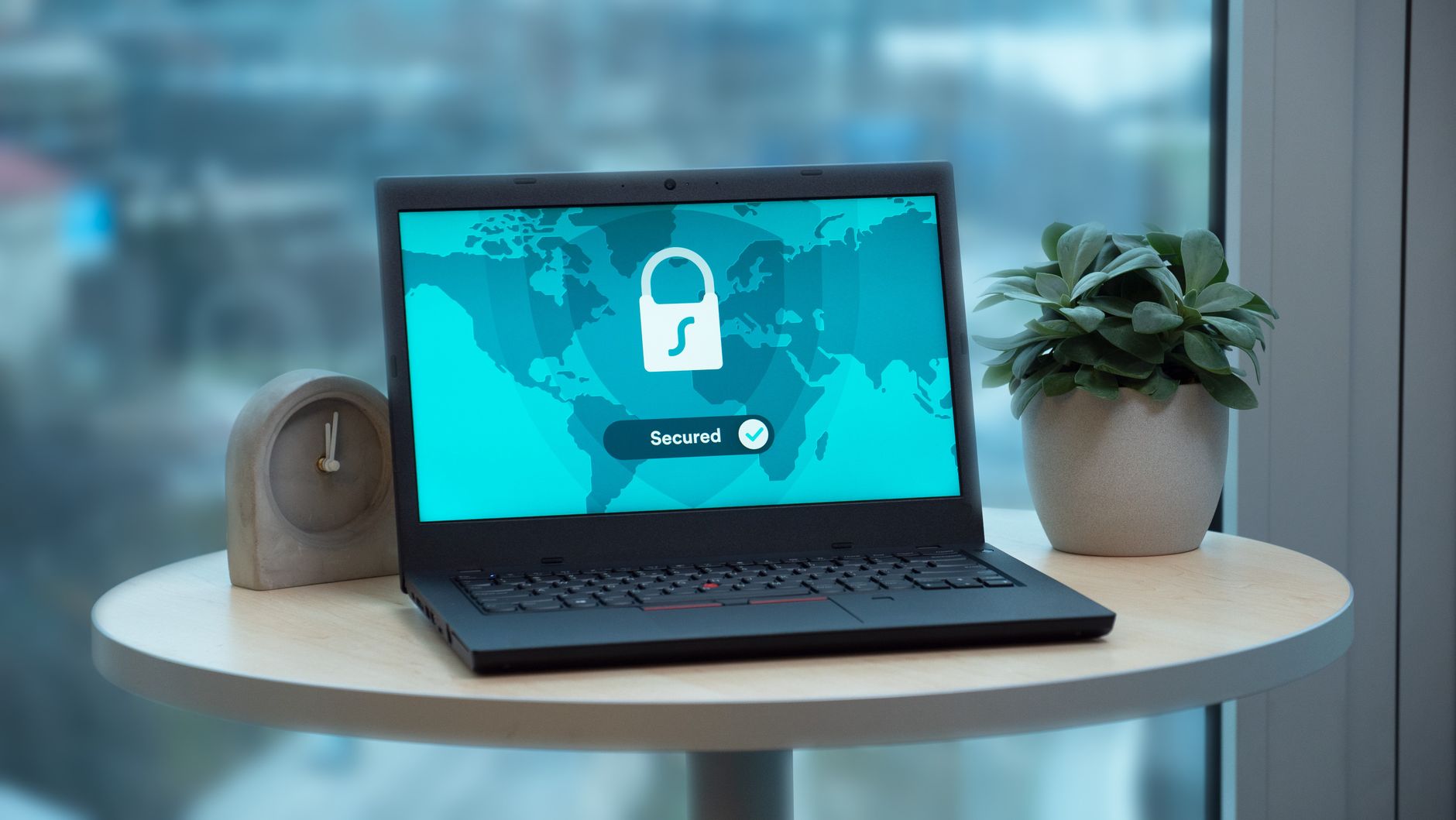
Underneath the location map sits the technical backbone that actually carries the traffic. hide.me uses WireGuard by default and runs on 10 Gbit backbones, a combination the brand says puts it among the fastest VPNs available. WireGuard is known across the VPN category for lighter overhead compared with older protocols, which typically translates into quicker connection times and less throughput loss.
That infrastructure choice is precisely what separates a VPN that merely connects from one that functions as a reliable fast VPN for streaming under sustained load. High-bandwidth backbones matter most during peak hours, when many users are pulling data from the same regional servers simultaneously. Full IPv6 support with native dual-stack handling also protects traffic that would otherwise bypass the tunnel, keeping the full connection inside the encrypted path.
Encryption and Privacy Without Performance Sacrifice
Security and speed are often framed as opposing goals, yet it.me encrypts traffic with AES-256 while still targeting minimal performance loss during streaming. The brand states that its connection is optimised to minimise speed loss, which directly addresses the common worry that encryption overhead will drag playback into constant buffering. An ISP watching the connection sees only encrypted traffic, not the shows or platforms being accessed.
This balance is particularly relevant for anyone streaming on public Wi-Fi, where unencrypted traffic is far easier to intercept. Pairing AES-256 encryption with WireGuard’s lighter processing load is how hide.me avoids forcing a trade-off between privacy and playback quality.
No-Logs Policy and Independent Audits for Peace of Mind While Streaming
Encryption protects data in transit, but a no-logs policy protects what happens after a session ends. the brand.me states plainly that it does not log IP addresses, sessions, or browsing activity, and frames this as being unable to hand over what it simply does not have. The company is based in Malaysia, outside the 5/9/14 Eyes alliance, which it notes comes with no data retention laws to comply with.
What sets this apart from a simple promise is independent verification. hide.me’s no-logs policy has been independently audited, with the report published rather than kept private. For streaming specifically, this means viewing habits and session history remain outside any retained record, even as the fast VPN for streaming connection stays active for hours at a time.
Connection Reliability and Unrestricted Access for Content Worldwide

A streaming-focused VPN is only as useful as its ability to stay connected without interruption. hide.me frames unrestricted access as one of its defining traits, letting a device connect to any of its 57+ country locations and reach content without artificial limitation. Consistent uptime across that many locations is what allows HD video to play without the service dropping mid-session.
Price-guaranteed renewal is a separate but related reliability signal, since a plan that renews at the same price and plan removes one source of account disruption over time. Combined with price stability, broad server choice, and audited privacy claims, the overall package positions it.me as a provider built around dependable, long-term streaming use rather than a one-off connection.
- AES-256 encryption secures every connection without the heavy overhead of older standards.
- WireGuard is the default protocol, chosen for its lighter processing demands during long sessions.
- 10 Gbit backbones support the network’s claim to be among the fastest available VPN infrastructures.
- 57+ country locations give a wide geographic spread for choosing nearby or distant servers alike.
- An independently audited no-logs policy backs up privacy claims with a published report rather than a simple statement.
- Native IPv6 dual-stack support keeps that traffic encrypted instead of leaking outside the tunnel.
Streaming reliability ultimately comes down to infrastructure choices made long before anyone presses play. hide.me’s combination of broad server coverage, modern protocol defaults, and audited privacy commitments shows what a fast VPN for streaming looks like when every layer is built with playback in mind.
