
Share This Article
PropMoney provides realistic practice money designed to help professionals, educators, and creators rehearse real-world cash handling without risk, offering a practical and affordable solution for training, content creation, and skill improvement. PropMoney was founded on the idea that realistic cash practice should be accessible, intuitive, and safe for users in many different fields. Handling money accurately is a skill that matters in retail, hospitality, banking, filmmaking, and public speaking, yet training with actual currency carries risk, liability, and cost.
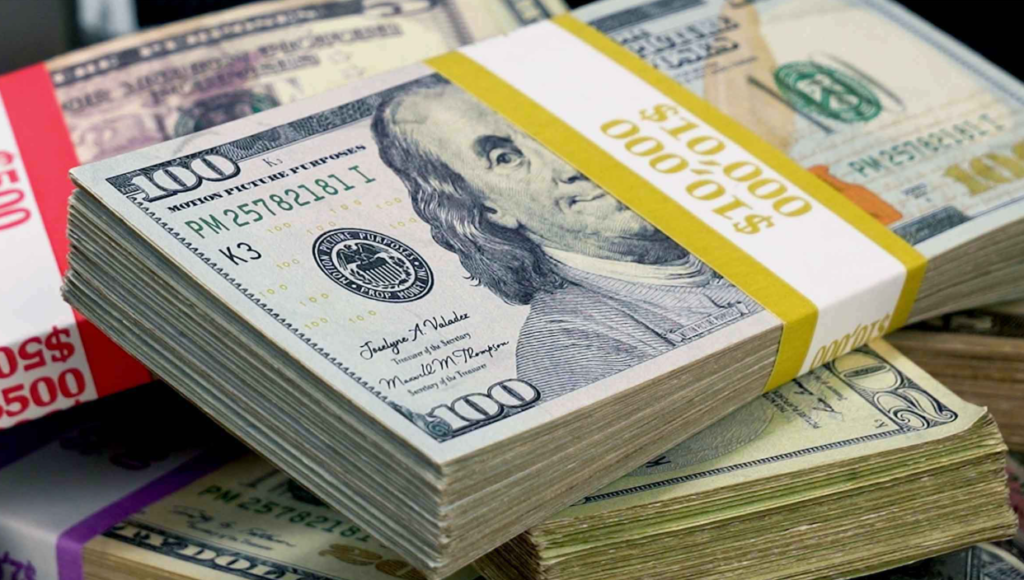
To bridge that gap, PropMoney produces high-quality, life-like bills that look authentic enough to train with confidence while being clearly identifiable as practice cash so they are safe to use in classrooms, role plays, or creative environments. The appeal lies in being able to rehearse real scenarios without worry, mistakes, or expense making practice intentional and effective rather than improvised and uncertain.
PropMoney products are designed to mimic the feel, size, and visual complexity of genuine currency, giving users the tactile experience they need to learn and improve. For many learners, touching and sorting bills that resemble real money builds muscle memory and confidence in ways that simulated cardboard or verbal instruction alone cannot achieve. The realism encourages engagement, reduces self-consciousness, and adds credibility to training sessions, whether for employees learning point-of-sale procedures or actors rehearsing financial transactions for screen scenes.
A platform that specializes in practice currency removes guesswork from cash training. Instead of piecing together homemade mock bills or relying on print-your-own downloads that lack durability, users can access professional grade practice money that holds up under repeated handling and looks consistent so instructional focus stays on the skill being learned, not on the tools that are supposed to support it.
Who Benefits from Realistic Practice Money

PropMoney’s offerings are useful across industries and use cases. Real cash handling appears in many vocational and creative contexts, and having risk-free practice makes the learning curve smoother and safer.
- Teachers and trainers who need effective tools for classroom instruction without legal or financial risk
- Retail staff practicing checkout procedures, change counting, and register closing
- Hospitality teams learning cash register operations in a hands-on way
- Bank trainees rehearsing cash counting, sorting, and teller protocols
- Actors and filmmakers needing believable money props for scenes without using real currency
- Content creators producing videos that require cash handling visuals that look real to audiences
Volunteers preparing for fundraising or community sales where simulated cash speeds learning
This range shows how practice money moves beyond novelty, helping people gain real competence and confidence in an area that otherwise involves complexity, stress, or unnecessary risk.
How Realistic Practice Enhances Learning
Handling money is a practical task with multiple skills embedded in it visual recognition, accurate counting, exchange, transaction flow, and communication. Traditional learning methods like lectures or demonstrations give context, but they do not allow learners to build physical experience. Realistic practice money fills that gap, giving learners full engagement that involves visual, tactile, and kinesthetic feedback.
When learners pick up bills that feel and look close to real currency, they begin to internalize patterns and routines quicker. Mistakes become valuable opportunities to correct and grow rather than real financial losses. This hands-on repetition builds muscle memory, so that procedures become automatic and natural. Confidence rises because the skills have been practiced in conditions that feel true to life, even though they are safe.
In training environments, having everyone use consistent practice bills makes group instruction more cohesive. Everyone is working with the same materials, which means trainers can focus on technique and correction rather than improvisation. When learners share the same resource base, communication becomes clearer, and each participant progresses with the same level of exposure to real-world simulation.
Employers who invest in realistic training save time and reduce errors. Instead of learning on the job with real money in front of customers, employees get a low-pressure environment to build skills before scenarios matter. This often leads to better performance, fewer mistakes, and a smoother transition into cash handling tasks with real financial implications.
Educators use practice money to teach financial literacy and numeracy. Activities that incorporate counting, exchange, budgeting, and simulated transactions have strong educational value because learners experience the concepts rather than just theorize about them. Students move from abstract thinking to concrete action, making lessons more memorable and skill development more robust.
In creative industries, props matter. Using authentic-looking bills elevates video content, theatrical productions, and promotional visuals. Audiences respond to small details because believability affects engagement. The right prop can significantly enhance production value, and using realistic practice money avoids the legal and logistical complications of staging with real cash.
Features That Make Practice Money Practical
Practice money is not just fake currency on paper. It requires thoughtful design so that users focus on training outcomes rather than on the novelty of the bills themselves.
- Printed to closely resemble real bill size and layout
- High quality materials that withstand handling and repeated use
- Clearly marked as practice money to avoid legal issues
- Sets available in different denominations for realistic variety
- Useful for group training or individual skill building
These practical features ensure that the product supports real goals, whether learning, training, or storytelling.
How Practice Money Fits into Modern Training
Modern training emphasizes active learning rather than passive instruction. People learn best by doing, and complex tasks require rehearsal under conditions that reflect reality. Practice money supports this ethos by giving learners a tool that bridges theory and real world application. Instead of watching someone count, learners count themselves. Instead of observing a transaction, they enact one.
The result is measurable improvement. Trainees make fewer mistakes, retain procedures longer, and transition into real cash handling with less anxiety and hesitation. Educators find that engagement rises because students enjoy tangible tasks. Small business owners report smoother onboarding because new staff have already worked through common cash scenarios in a low-stakes context. Creative professionals appreciate that shots involving money look authentic without the cost and risk of real bills.
Across uses, having a consistent, standardized resource improves outcomes. Everyone works from the same baseline, which reduces confusion and supports structured learning. This consistency makes practice money more than a prop it becomes a learning cornerstone.
Preparing for Real Scenarios With Confidence
Confidence in real tasks grows from solid preparation. Practice money allows individuals to rehearse not just counting and exchange, but also communication, accuracy under time pressure, and error handling. These are real world skills that matter in workplace readiness, professional presentations, and creative productions. The best part is that improvement is trackable. Trainers can observe progress, identify struggles, and provide targeted feedback because the practice environment mirrors real expectations without real consequences.