
Share This Article
Extra virgin olive oil varieties differ far more than casual shoppers assume, and the differences go well beyond a label or a region printed on a bottle. For anyone who already understands the basics of cold pressing and acidity limits, the real interest lies in how cultivar, harvest timing, and production choices shape what ends up in the glass. eataly carries a range of Italian oils that illustrate those distinctions clearly, from single-cultivar tins to blended regional expressions.
Understanding Extra Virgin Classification and Quality Standards
Extra virgin status depends on chemical and sensory criteria, including low free acidity and the absence of processing defects. That baseline, however, says little about flavor intensity or aroma, which is where extra virgin olive oil varieties start to diverge sharply. Two oils can both meet extra virgin requirements while tasting almost nothing alike, because cultivar and handling shape the sensory profile far more than the grading threshold does.
Eataly’s selection reflects that gap between classification and character. Rather than treating extra virgin as a single uniform category, the retailer stocks oils that range from mild and buttery to sharply peppery. That spread gives a practical sense of how wide the extra virgin designation actually is once production details enter the picture.
Coratina and De Carlo: Regional Italian Oil Expressions
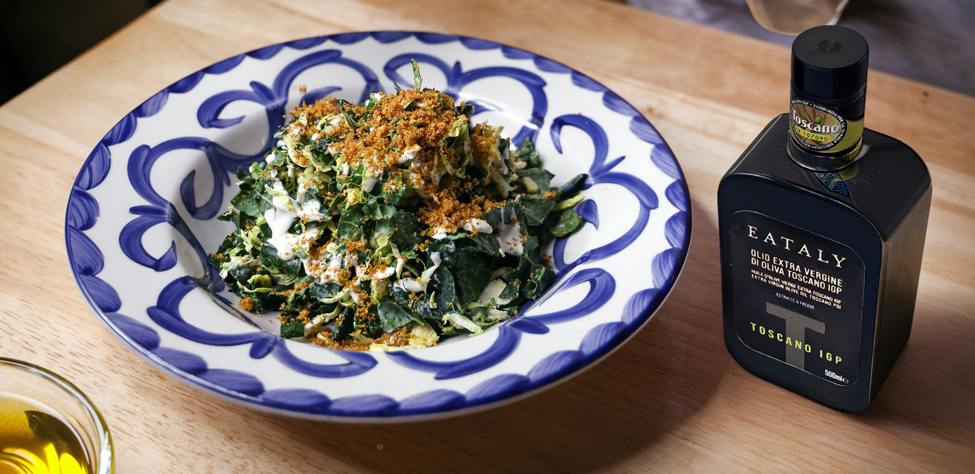
Coratina is a cultivar associated with Puglia, known for producing oils with pronounced bitterness and a peppery finish. eataly offers a Coratina Extra Virgin Olive Oil in a tin from Muraglia, a format that also protects the oil from light exposure. That packaging choice matters for oils meant to retain their sharper, more robust character over time.
De Carlo, by contrast, represents a producer rather than a single cultivar, and its presence in eataly‘s lineup includes an Extra Virgin Olive Oil in a hand-painted ceramic bottle. The ceramic vessel signals a different kind of product positioning, one built around a gift-oriented presentation alongside the oil itself. Comparing the Muraglia tin and the De Carlo ceramic bottle side by side shows how packaging and provenance both factor into how a producer frames its oil.
Single-Origin Oils Versus Blended Italian Expressions

Single-origin oils come from one region, often one estate or cooperative, and carry the specific agricultural signature of that place. Blended oils combine fruit from multiple regions or cultivars, which producers use to balance intensity, bitterness, and aroma into a more consistent profile. Neither approach is inherently superior, but they serve different purposes in a kitchen.
A single-origin Coratina oil, for instance, will usually taste more assertive and consistent from bottle to bottle within the same harvest. A blended oil, meanwhile, can offer a smoother, more adaptable flavor suited to everyday use across many dishes. Eataly’s range includes both approaches, giving a direct way to compare how origin specificity changes the final taste.
How Harvest Timing Affects Flavor Profile and Acidity
Olives harvested earlier in the season, while still green, tend to produce oils with more bitterness, pungency, and a lower yield per fruit. Later harvests, once olives have ripened further, generally yield milder oils with softer aromatics. This timing decision is one of the clearest levers producers have over the final character of an extra virgin oil.
Acidity levels, while regulated for extra virgin classification, can still vary within the legal threshold depending on how quickly olives are pressed after picking. Fast processing after harvest tends to preserve freshness and lower acidity more reliably. That is part of why extra virgin olive oil varieties from different harvest windows, even from the same estate, can taste noticeably distinct from one another.
Tasting Notes and Pairing Oil Selections with Italian Dishes
Peppery, high-intensity oils such as those built around Coratina tend to stand up well against grilled vegetables, bitter greens, or hearty bean dishes. Milder, rounder oils work well drizzled over delicate seafood or soft cheeses, where a sharper oil might overwhelm the dish. Matching intensity to dish weight is a common approach among those who keep more than one oil on hand.
Beyond intensity, aroma plays a role in how an oil interacts with a finished plate. Grassy, herbaceous notes complement tomato-based preparations, while nuttier, rounder oils pair naturally with roasted meats. eataly‘s assortment of Italian oils makes it possible to build a small rotation suited to different categories of cooking rather than relying on one all-purpose bottle.
Building a Pantry with Multiple Oils for Different Preparations
Keeping more than one extra virgin oil on hand lets a finishing oil remain separate from one used for everyday cooking. A robust, high-polyphenol style suits raw applications like bruschetta or salad dressing, where its flavor stays prominent. A milder oil, meanwhile, holds up better for sautéing or baking, where its character blends more quietly into the dish.
- Cultivar-specific oils such as Coratina carry a distinct regional identity tied to where the olives are grown.
- Harvest timing, whether early or late season, shapes whether an oil leans bitter and pungent or smooth and mild.
- Packaging formats, including tins and ceramic bottles, are chosen in part to protect the oil from light and preserve freshness.
- Single-origin oils highlight the character of one region, while blended oils are built for a more balanced, consistent profile.
- Intended kitchen use, whether finishing or cooking, often determines which style of oil is the practical choice for a given dish.
eataly‘s online shelves bring together oils from different producers and regions, each carrying its own cultivar and origin details. That variety helps clarify why extra virgin olive oil varieties sold under the same broad label can serve such different roles in a kitchen. For anyone assembling a small collection of Italian oils, that level of detail is more useful than a single blanket recommendation.
Understanding these distinctions turns olive oil from a single pantry staple into a small, varied category worth paying attention to.
