
Share This Article
Beauty tools have moved far beyond simple heating elements and spinning brushes, and Dyson hair care technology sits at the center of that shift. The brand built its reputation on engineering problem-solving tools for everyday tasks, and its hair care line applies that same mindset to styling. This overview looks at what makes the approach distinct, how it is engineered, what the product range covers, and what kind of support stands behind it.
What Dyson Hair Care Is and How It Differs from Traditional Styling Tools
Dyson‘s hair care range sits alongside its floorcare, air treatment, and oral care lines on the brand’s own site, which frames all of them as engineered solutions to everyday problems. That framing matters because it positions styling tools as instruments to be refined, not just appliances to be sold. Traditional straighteners and dryers have changed little over the decades, while Dyson’s offerings are marketed as a continued reworking of the category.
Instead of treating hair styling as a single task, the brand splits it into categories that address drying, shaping, smoothing, and finishing separately. This distinguishes the lineup from generic multi-tool kits that bundle attachments without much differentiation. The result is a set of tools built around specific styling outcomes rather than one general-purpose device.
The Science Behind Dyson’s Hair Care Engineering
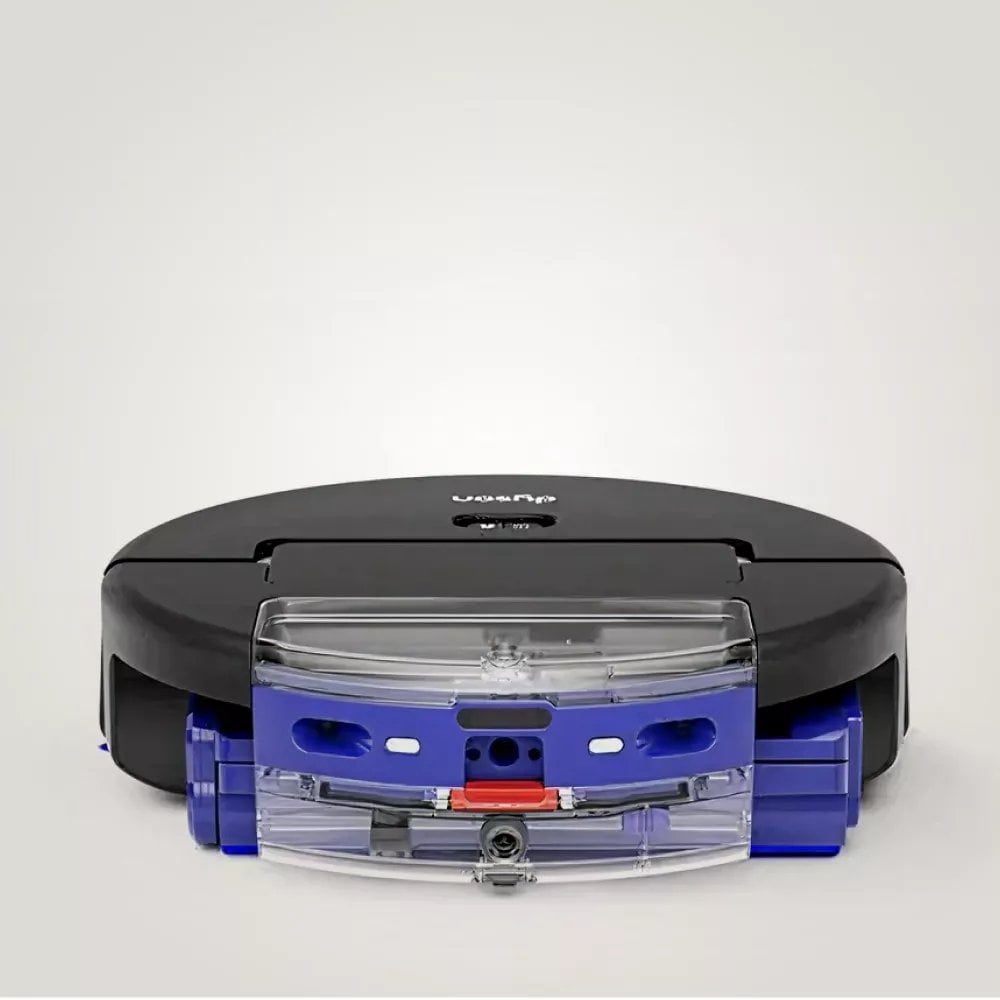
Dyson is known broadly for applying motor and airflow engineering across its product categories, from vacuums to heaters and fans. Its Hot+Cool line, for instance, is described as reacting rapidly and offering intelligent connected control, which reflects how the company talks about precision across its whole portfolio. That same engineering vocabulary, precision, control, and responsiveness, carries over into how the hair care tools are marketed.
What the brand’s published material does not do is explain, in public-facing detail, the internal mechanics of each hair tool. The hair care tools fit into the same broader engineering philosophy that runs through other categories, positioning hair care technology as part of a continuum rather than a standalone invention.
Dyson Hair Care Product Categories and Their Applications

The website groups hair care within its wider lineup, listed alongside floorcare, air purifiers and heaters, robot and wet cleaners, lighting, oral care, and headphones. Within hair care specifically, a special edition finish is offered, described on the offer page as a plum and copper shade, suggesting that cosmetic variation is part of how the range is presented to shoppers. Personalization also extends to presentation, since gift purchases can include a monogrammed case.
- Styling tools designed for shaping hair into curls or waves fall under one application area within the range.
- Smoothing-focused tools are built to address frizz and create sleeker finishes.
- Drying tools are positioned as a separate category focused on airflow-based drying rather than shaping.
- Finishing attachments allow a single base tool to be adapted toward different styling results.
- Special edition color finishes, such as the plum and copper option, offer seasonal or gift-oriented variants alongside the standard lineup.
This structure means shopping the range involves choosing by task first, whether that is drying, curling, or smoothing, rather than picking from a single catch-all device. The site’s own navigation treats hair care products as their own category rather than an attachment set tacked onto another product line. That separation reflects how the catalogue as a whole is organized.
How Dyson’s Technology Addresses Common Hair Styling Challenges
Hair styling commonly involves challenges like uneven drying, heat exposure, frizz, and inconsistent curl hold. These are long-standing issues across the beauty tools market generally. Tools in this market broadly aim to reduce the number of passes needed, offer more even heat distribution, or provide better control over styling direction.
It situates its hair care tools within this same set of general challenges by offering distinct categories for drying, smoothing, and shaping rather than one generic hot tool. Because the categories are separated by task, a person dealing primarily with frizz has a different tool option than someone focused on curl shaping. In the beauty tools category more broadly, matching a tool to a single styling task, rather than relying on one device for every step, is generally understood to reduce the guesswork involved in choosing the right attachment or setting. That category-level reasoning is what makes the task-based split in the brand’s hair care technology worth noting.
Dyson’s Approach to Durability and Customer Support
Beyond the tools themselves, Dyson backs its hair care purchases with policies that apply across its site. Orders placed through Dyson.com include free shipping, with standard delivery arriving in 3 to 5 business days, though items like spare parts or gifts with purchase may ship separately. Financing is also available through a buy now, pay later option, spread over 6 months at 0% APR for qualifying purchases, subject to eligibility and approval.
On the support side, a 2 or 5 Year Limited Warranty applies depending on the product, along with a 30-day money-back guarantee for machines returned with their accessories and attachments. Purchases made during the holiday shopping window receive extended return time compared with the standard 30-day window. Customer service is available through a Digital Support team operating 24 hours a day, 7 days a week, with most inquiries handled within two hours, plus a phone helpline staffed Monday through Saturday.
Taken together, these policies show that Dyson treats post-purchase support as part of the overall offering, not an afterthought bolted onto the hair care line. Shipping terms, warranty length, and return windows all form part of what a buyer is actually choosing when selecting a tool from the range.
Closing Thoughts
The hair care line reflects an engineering approach consistently applied across Dyson‘s product categories, positioning styling tools as refined instruments rather than generic appliances.
