
Share This Article
Workwear bottoms generally split into two fabric families, duck canvas and denim, and the distinction matters once fit and task requirements are already understood. The duck vs denim workwear question comes down to weight, weave, and how each material behaves under repeated strain. dickies offers both fabric types across its pants lineup, and the practical differences show up quickly once a wearer moves between job sites or seasons.
Understanding Duck Fabric Construction in Dickies Bottoms
Duck canvas is a tightly woven cotton fabric, heavier and stiffer than standard denim in most of its workwear applications. Dickies uses duck construction across several lines, including the Hooded Duck Bomber Jacket and the Water Repellent Duck Hooded Shirt Jacket, both built on that same dense weave. The Relaxed Fit Sanded Duck Carpenter Pants take this further with a brushed finish, giving the fabric a softer hand while keeping the structural tightness of the weave intact. That sanding process is meant to replicate a broken-in feel without actually requiring months of wear first.
Denim Weight Categories: Relaxed Fit Carpenter Jeans vs. Heavyweight Carpenter Jeans
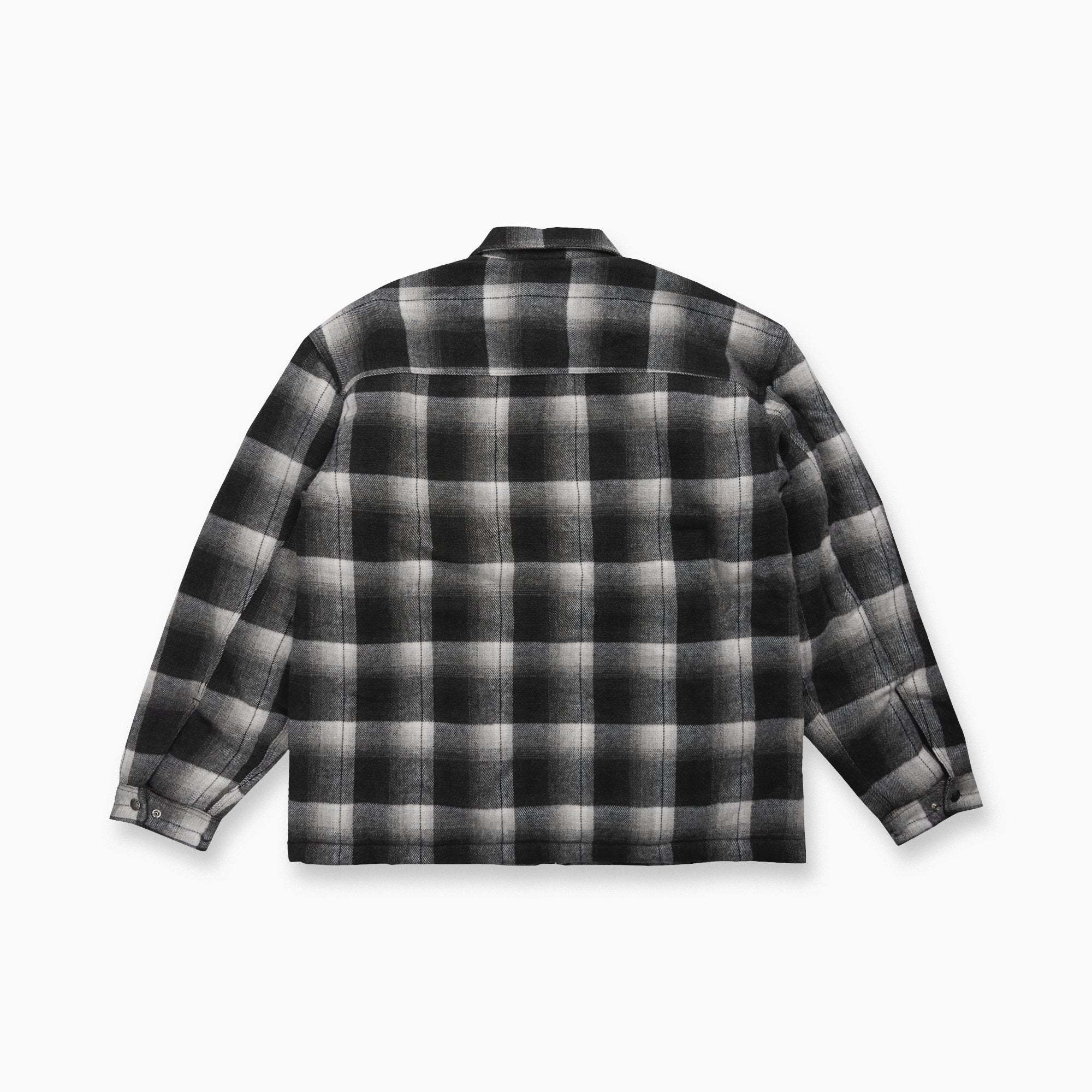
dickies splits its denim offering into at least two distinct weight categories. The Relaxed Fit Carpenter Jeans sit at a standard denim weight, while the Relaxed Fit Heavyweight Carpenter Jeans use a notably thicker construction, both available across multiple color options. Both carry carpenter-style details, including the loop and pocket layout associated with that cut. The heavyweight version is positioned as the sturdier of the two within the denim range, separate from anything duck-based.
Original 874 Work Pants: The Benchmark for Duck-Based Design

The Original 874 Work Pants trace back to the earliest days of dickies, which started as a Texas overalls maker in 1922. That pant remains one of the brand’s iconic fits, listed alongside the Work Shirt, the Eisenhower Jacket, and the Classic Bib Overalls as core pieces that have stayed in the lineup across the company’s history. Its continued presence signals how central this particular design has remained to the catalog, even as newer duck and denim pants have been added around it. Unlike some of the heavier duck carpenter styles, the 874 has long served as a reference point for fit and construction that other pants in the range are measured against.
Heavyweight Duck Carpenter Pants: 100% Cotton Construction and Relaxed Fit Details
The Relaxed Fit Heavyweight Duck Carpenter Pants appear within the Insulated Workwear collection, described on the brand’s site as workwear built from duck canvas. These pants are offered across several colors and carry the relaxed fit silhouette shared with the carpenter jeans line, though the fabric itself is heavier duck rather than denim. The FLEX Regular Fit Duck Pants sit in the same collection, pairing duck fabric with a different fit profile for those who prefer a closer silhouette. Dickies groups these under a dedicated duck canvas workwear heading, separate from where the denim carpenter jeans are listed.
Material Performance: When Duck Outperforms Denim and Vice Versa
Duck canvas, because of its tighter weave, tends to resist abrasion from rough surfaces and sustained kneeling or crawling better than lighter fabrics. Denim, meanwhile, offers more flexibility and a softer break-in period, which matters for tasks that involve constant bending or reaching. The duck vs denim workwear comparison is not about one fabric being universally better, since each performs differently depending on the friction and movement a task demands. For example, the Mike Anderson Loose Fit Jeans use a 12.5 oz. 100% cotton denim built with mobility in mind, showing how denim weight and cut can be tuned toward movement rather than pure abrasion resistance.
- Duck canvas uses a tighter, heavier weave than most standard denim, giving it a stiffer hand right out of the package.
- Heavyweight Duck Carpenter Pants and the FLEX Regular Fit Duck Pants are both built from 100% cotton duck, positioned within the Insulated Workwear collection.
- Relaxed Fit Carpenter Jeans and Relaxed Fit Heavyweight Carpenter Jeans represent two separate denim weights within the same carpenter silhouette.
- Sanded duck fabric, as used on the Relaxed Fit Sanded Duck Carpenter Pants, is brushed to soften the texture while keeping the weave’s density.
- Denim generally allows more flex and a faster break-in period than duck canvas, which stays stiffer for longer.
Seasonal and Task-Specific Wear: Matching Fabric to the Job
Duck canvas pants and jackets, including the Hooded Duck Bomber Jacket, lean toward colder-weather and higher-abrasion use given their weight and density. dickies groups several duck pieces under a Fall Layers and Insulated Workwear theme, which points to how the brand positions that fabric seasonally. Denim, by contrast, spans a wider range of conditions since both the standard and heavyweight carpenter jeans are offered without the added bulk of duck canvas. Anyone weighing duck vs denim workwear choices for a specific season or task can look at how Dickies separates these collections on its own site, since the duck pieces sit apart from the denim favorites section.
Between the two fabric families, dickies maintains a catalog built on a century of overall and pant construction, dating back to 1922. That history runs through both the duck and denim ranges, from the Original 874 Work Pants to the newer Heavyweight Carpenter Jeans. The breadth of options, spanning weights, finishes, and fits, keeps the duck and denim lines distinct rather than interchangeable.
Closing Thought
Fabric choice remains a practical decision shaped by the task at hand, not a matter of one material replacing the other.
