

Share This Article
Most patios and decks remain unused. Homeowners invest in outdoor space but then spend their time indoors. The reason is rarely lack of desire for outdoor living, it’s that the outdoor space doesn’t actually work. Cheap furniture is uncomfortable, looks cheaply made, and deteriorates visibly within months. The lack of cohesion means the space looks scattered rather than intentional. Poor planning means the layout doesn’t suit how you actually spend time outdoors. The result is an expensive investment that gets ignored. Creating an outdoor space you actually use requires understanding what makes outdoor furniture work, how to arrange it intentionally, and how to choose pieces that balance comfort, aesthetics, and durability. A well-designed outdoor space becomes an extension of your home, somewhere you genuinely want to spend time, not just somewhere you have furniture. The transformation isn’t about spending more money; it’s about spending money intentionally on pieces that actually work together and actually get used.
Understanding Outdoor Furniture Materials and Durability
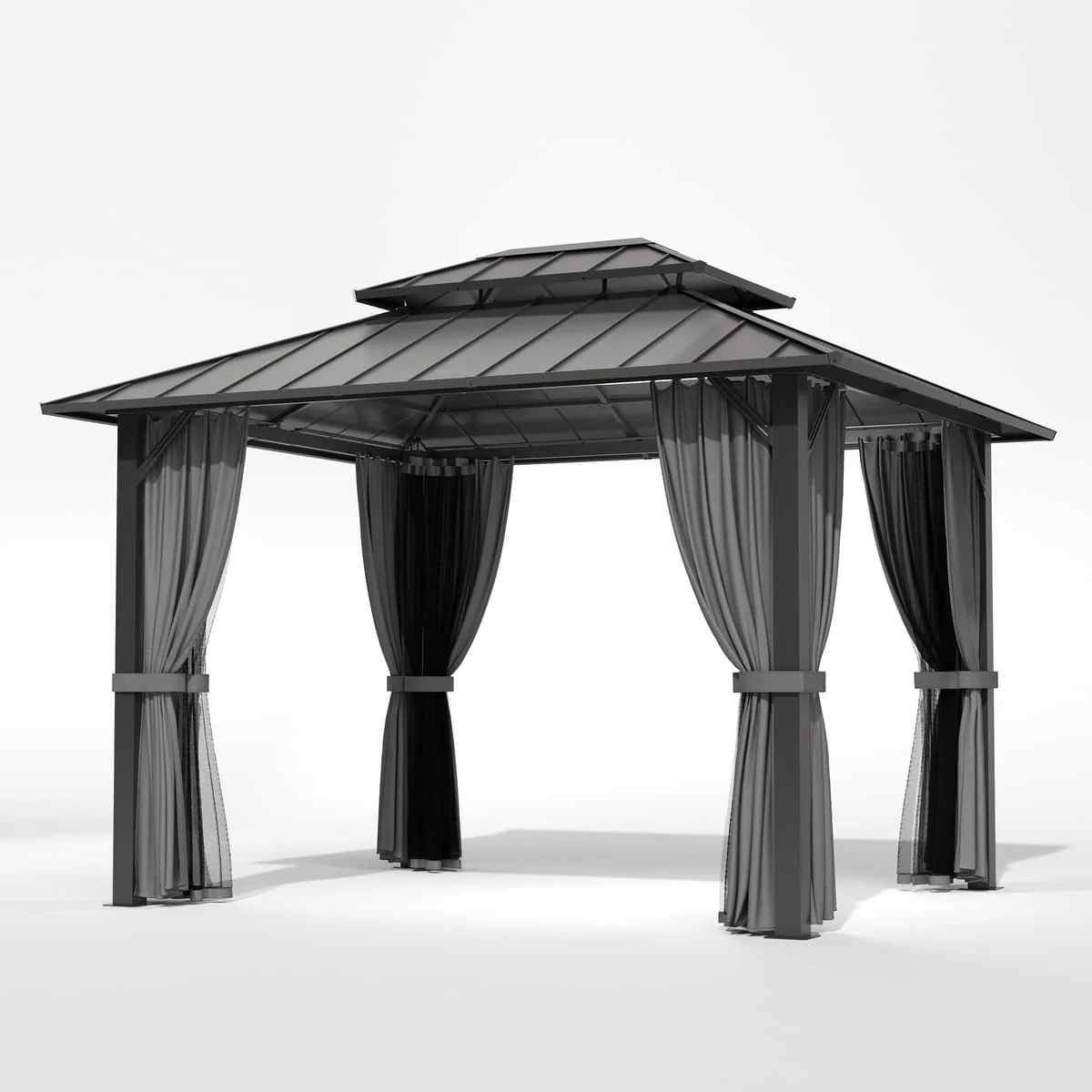
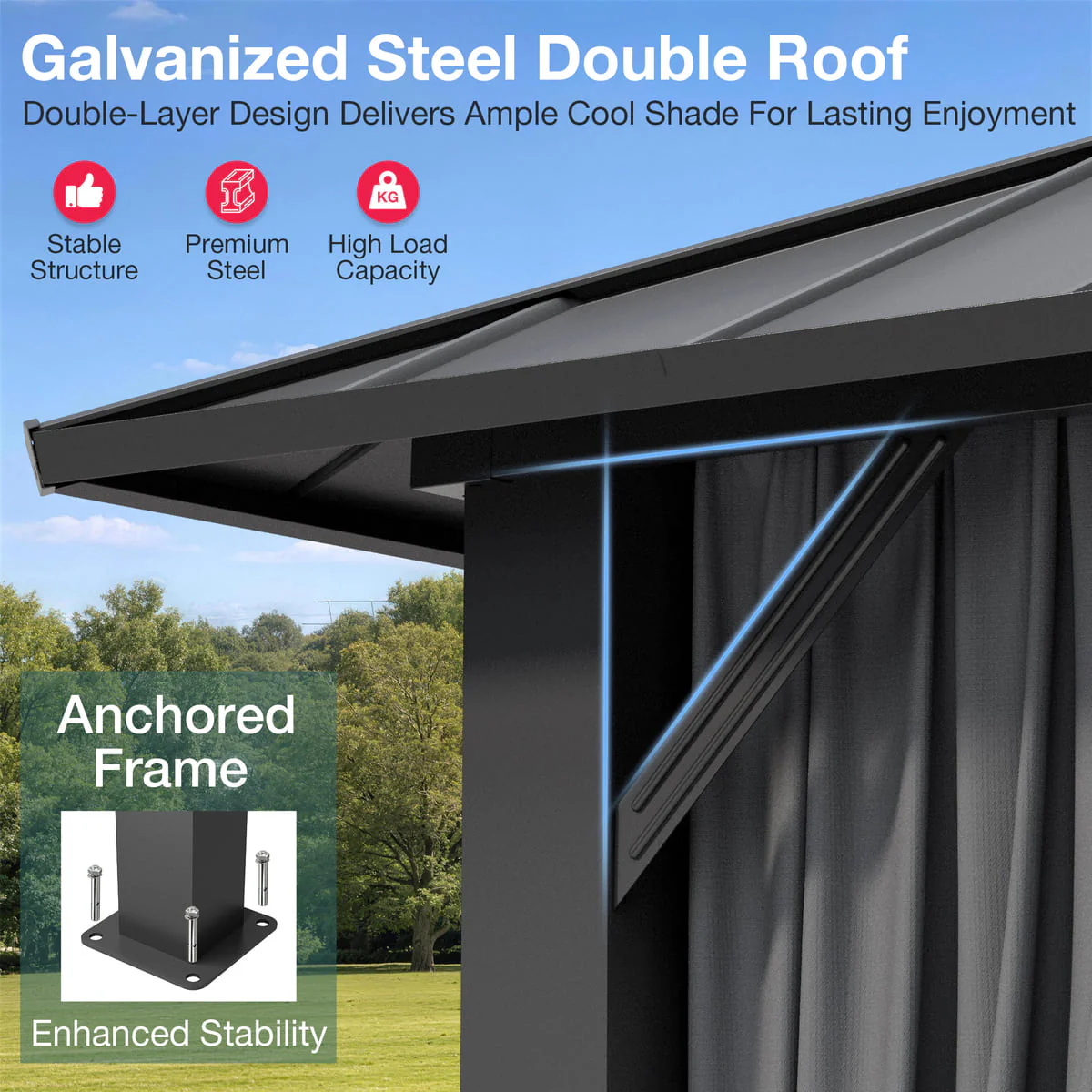
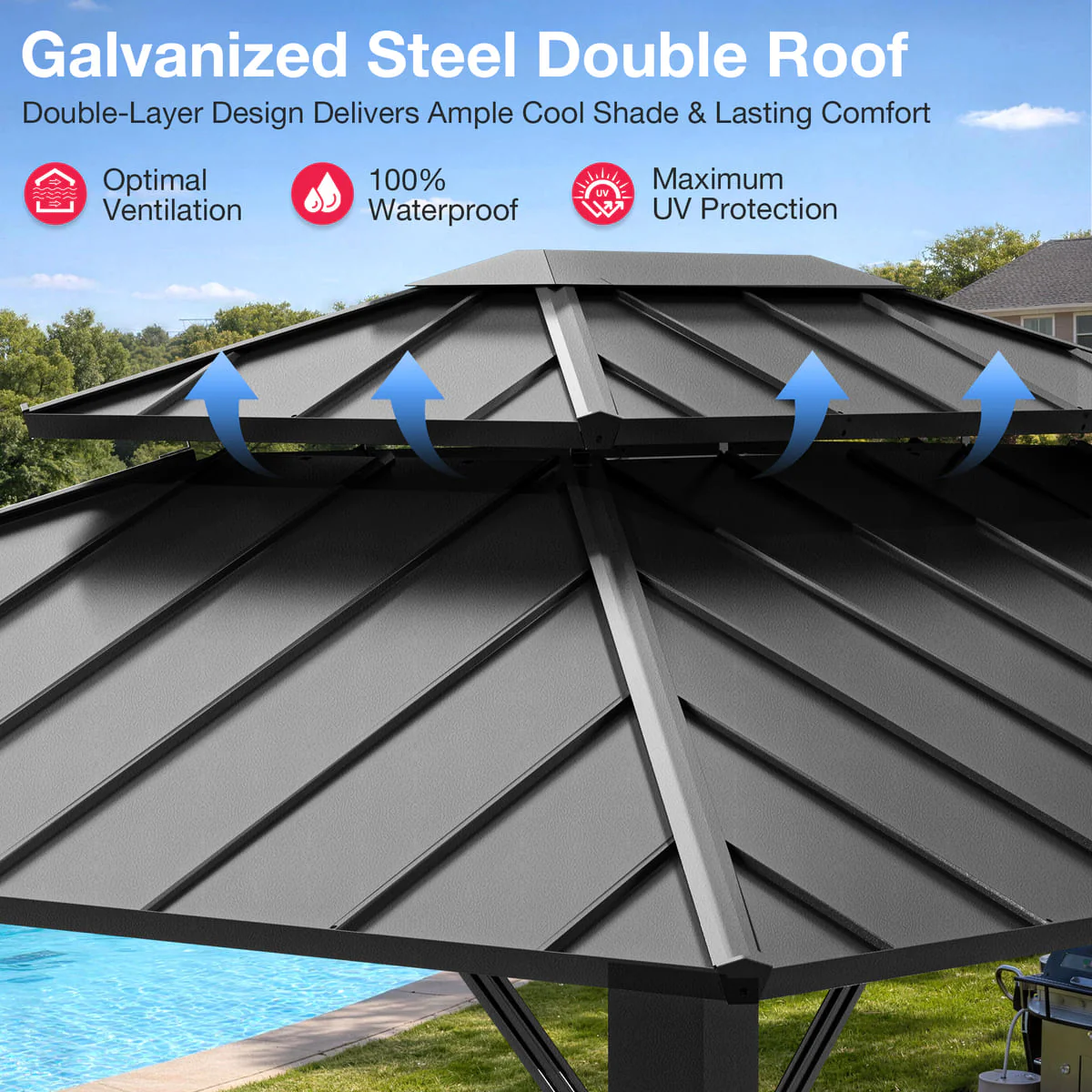
Outdoor furniture must withstand weather that indoor furniture never encounters. Rain, sun, temperature swings, and humidity all degrade materials. Cheap outdoor furniture is made from materials that deteriorate quickly, the cushions fade and decompose, the wood rots, the metal rusts. Within one season, cheap pieces look obviously worn. Quality outdoor furniture uses materials engineered for weather exposure. Teak and cedar are naturally resistant to rot and splitting. Metal furniture made from powder-coated aluminum or stainless steel resists rust. Quality cushions are filled with quick-dry foam and covered in solution-dyed fabric that resists fading. Wicker outdoor furniture is made from synthetic materials (not natural rattan) that mimic the look while resisting weather damage. Understanding these material differences determines whether your investment lasts one season or five seasons. Quality outdoor furniture from Pamapic is manufactured with weather-resistant materials that maintain appearance and structural integrity through seasons of use.
Comfort and Functionality: What Actually Makes Outdoor Furniture Livable
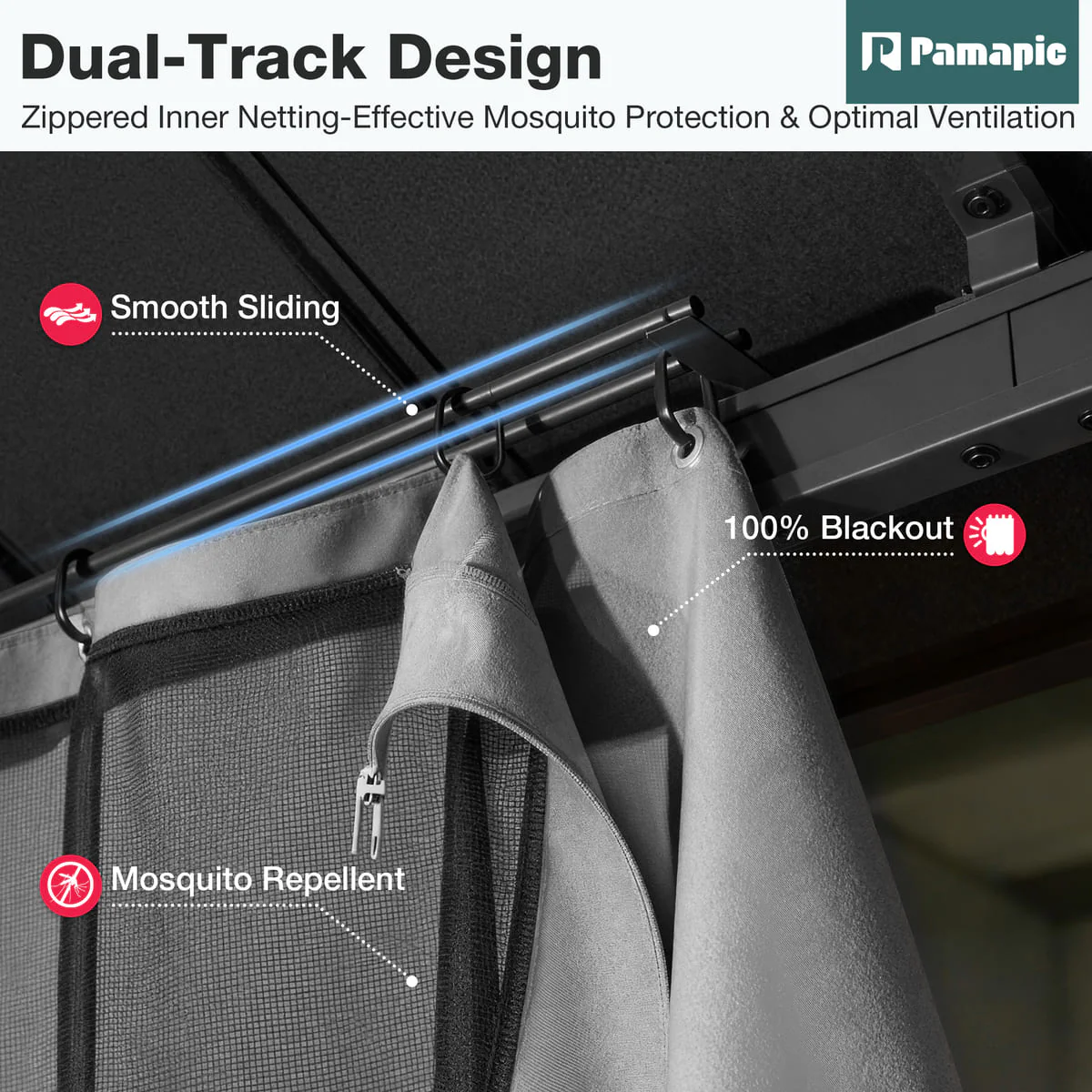
Outdoor furniture must be comfortable enough that you actually want to sit on it. This seems obvious but is frequently overlooked. Cheap metal chairs are uncomfortable for extended sitting. Thin cushions on outdoor sofas flatten and stop being supportive within a season. Hard benches without back support create pain, not relaxation. Functionality matters equally. A dining table without an umbrella hole can’t be used during midday sun. Lounge chairs without adjustable backs don’t properly support different positions. Outdoor sofas without cushion storage create clutter when you need to cover furniture during rain. A patio without adequate seating forces guests to stand or crowd. These functional details determine whether your outdoor space actually gets used or becomes an overlooked area. Testing furniture for comfort before purchasing prevents the common mistake of buying pieces based on appearance, then never using them because they’re uncomfortable. Sitting in a chair in a showroom for a few minutes isn’t the same as lounging in it for hours, but it reveals whether basic comfort exists. Pamapic outdoor furniture balances aesthetic design with functional comfort so pieces are actually used rather than simply looked at.
Layout and Space Planning for Actual Living
The most beautiful outdoor furniture looks awkward if the layout doesn’t work. Common mistakes include placing furniture along walls (which creates echo and poor conversation flow), creating single-purpose spaces (like a dining table with nowhere to relax), or overcrowding the space. Effective outdoor layout groups furniture intentionally for different activities. A conversation area with seating facing each other encourages actual conversation. A dining area separate from lounging areas prevents food from interfering with relaxation. A reading nook with a single chair and side table creates a peaceful retreat. Spacing matters, furniture should feel intentional, not cramped or oddly spread apart. Creating clear zones using rugs, planters, or pavers helps furniture feel organized rather than randomly placed. Traffic flow matters, pathways between areas should be clear so movement feels natural rather than obstructed. Understanding your actual usage patterns determines what layout works. If you host frequent gatherings, prioritize dining and conversation seating. If you want a peaceful retreat, create cozy nooks for relaxation. If you have children, designate safe play space separate from sitting areas. Designing outdoor spaces with Pamapic furniture means choosing pieces and arranging them for how you actually want to live outside.
Integrating Style With Outdoor Aesthetics
Outdoor furniture should reflect your home’s style and create a cohesive aesthetic. Mixing multiple styles (modern chairs with rustic tables with contemporary sofas) creates visual chaos. Choosing a dominant style and accessories that support it creates a space that feels intentional. Coastal style emphasizes light colors, natural materials, and relaxation. Modern style uses clean lines, neutral colors, and uncluttered layouts. Rustic style incorporates wood, earth tones, and substantial furniture. Mediterranean style combines terracotta, warm colors, and ornamental details. Most successful outdoor spaces follow one aesthetic direction rather than trying to incorporate everything. This doesn’t mean rigid uniformity, it means intentional coordination. Accessories (pillows, planters, lighting, rugs) should support the dominant style rather than contradict it. Color palette should be consistent, choosing three to four colors and repeating them throughout the space creates cohesion. Material choices should align, all natural materials, all modern materials, or a thoughtful mix that supports your aesthetic. Curating outdoor spaces with Pamapic’s coordinated collections ensures furniture selections support each other aesthetically rather than creating visual confusion.
Maintenance Practices That Extend Lifespan
Outdoor furniture requires seasonal care that prevents deterioration. Covering furniture during off-seasons or during extended bad weather protects it from unnecessary exposure. Regular cleaning (rinsing with gentle soap and water) prevents dirt and salt buildup that causes degradation. Allowing cushions to dry completely before covering prevents mold growth. Checking for and repairing small damage (loose bolts, cracked finishes) before it becomes major prevents structural failure. Resealing wood furniture annually maintains its weather resistance. These practices aren’t burdensome, they take minimal time and prevent expensive replacement. Someone who covers furniture during winter and does basic cleaning can get years of use from quality pieces. Someone who leaves furniture exposed year-round and ignores maintenance destroys even quality pieces within a couple of seasons. Maintaining Pamapic furniture properly ensures the investment lasts through multiple seasons of outdoor living.
Budgeting for Outdoor Living
- Invest in quality materials that withstand weather, wood, metal, and fabrics engineered for outdoor use justify higher initial costs through longevity.
- Prioritize comfort in seating, choosing pieces you actually want to sit in determines whether the space gets used.
- Plan layout intentionally for how you actually live outdoors, conversation areas, dining spaces, and retreat nooks work better than random placement.
- Choose a cohesive style and repeat it through furniture selection and accessories, consistency creates intentional, attractive spaces.
- Maintain furniture seasonally, covering, cleaning, and resealing prevents deterioration and extends lifespan significantly.
Transform Your Outdoor Living
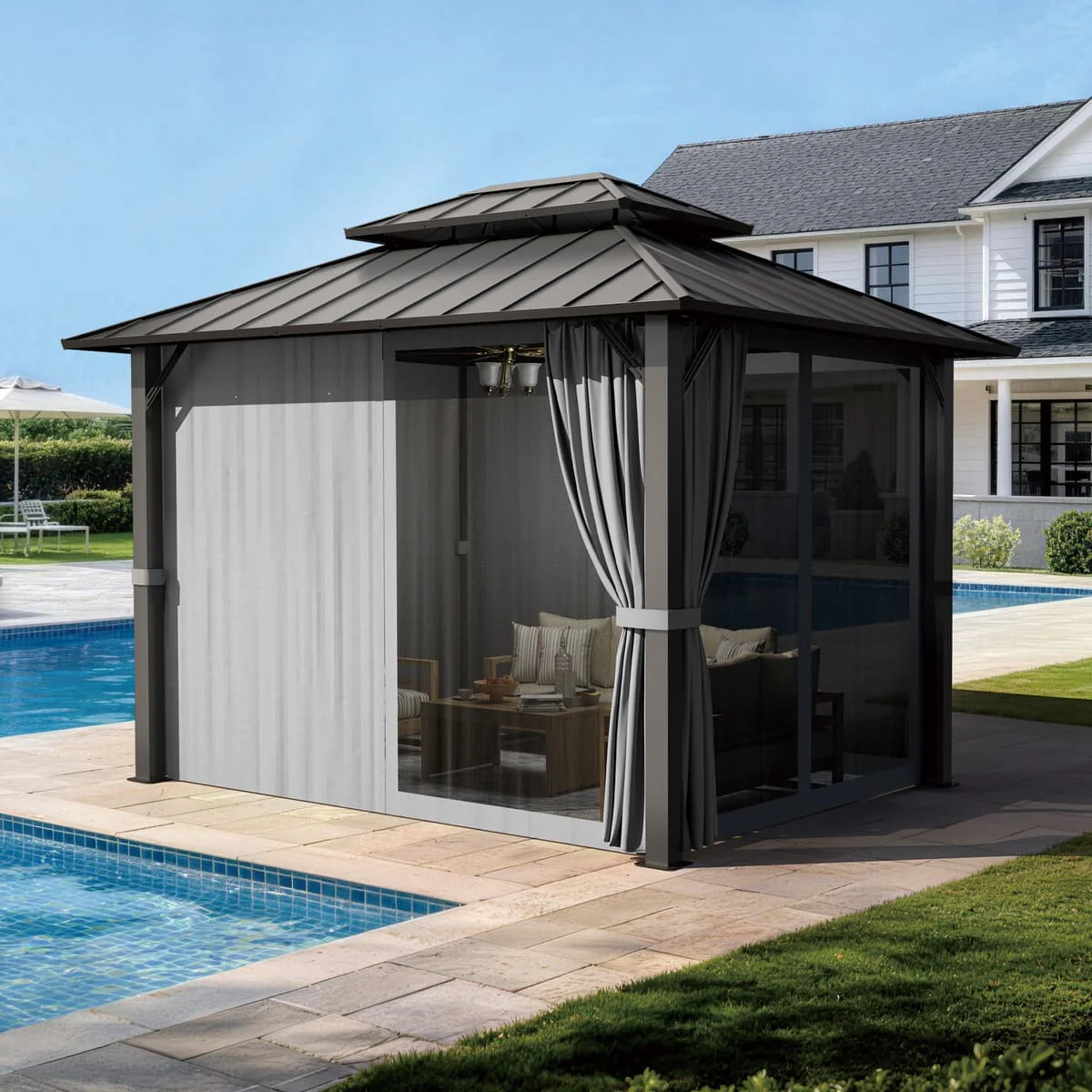
Creating an outdoor space you actually use isn’t about having the biggest space or the most expensive furniture. It’s about choosing pieces that work together, arranging them for how you actually live, and selecting quality that lasts through seasonal changes. The transformation turns an unused patio or deck into an extension of your home, a place you genuinely want to spend time. That’s what makes outdoor living worth investing in.