Share This Article
Design work moves fast, and using the wrong software can slow everything down, from simple edits to complex creative projects. CorelDRAW is positioned as a professional design suite built for illustration, layout, and visual communication. This CorelDRAW review explores whether it delivers the flexibility, performance, and creative control that designers expect when working on real projects.
View all on CorelDRAW
Professional Vector Tools Built For Precision Design
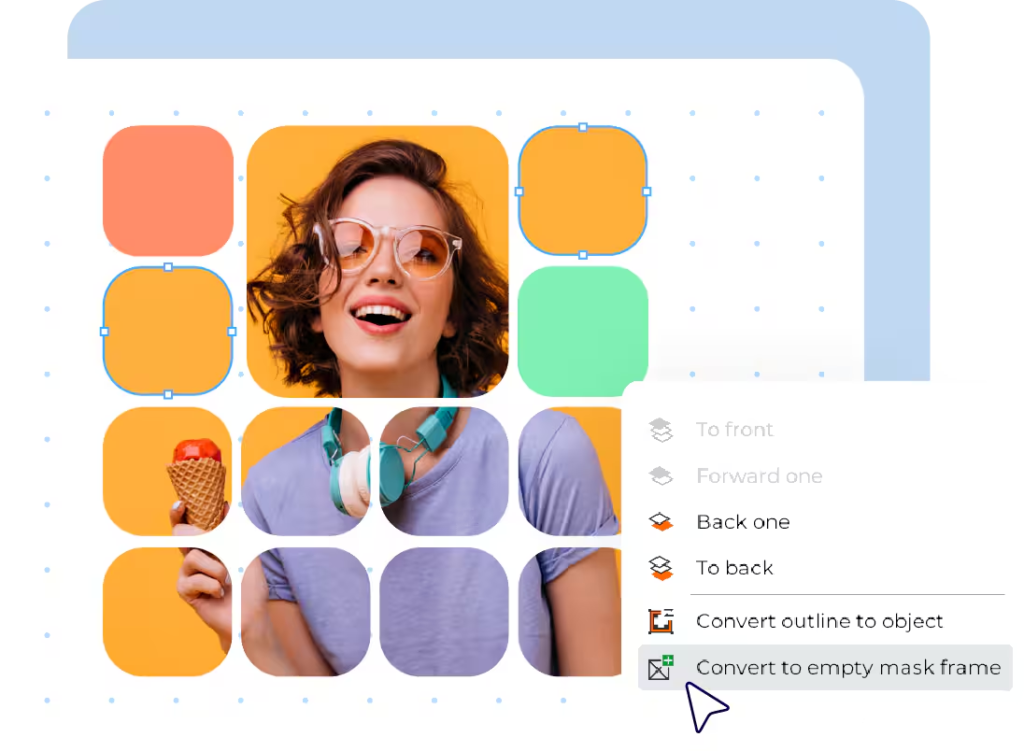
One of the core strengths of CorelDRAW is its vector illustration system. This allows designers to create clean, scalable graphics that maintain quality at any size.
Whether you are designing logos, marketing visuals, or detailed illustrations, vector control is essential. CorelDRAW provides the tools needed for precise shape editing, curves, and object manipulation.
In this CorelDRAW review, the vector toolset stands out as a major advantage for professionals who need accuracy and flexibility in their work.
Page Layout Features For Print And Digital Projects
Beyond illustration, CorelDRAW includes strong page layout capabilities. This makes it suitable for designing brochures, posters, multi page documents, and digital publications.
Instead of switching between multiple programs, users can handle layout and design within a single environment. This improves workflow efficiency and reduces the need for external tools.
For designers working in both print and digital spaces, this integration is a practical benefit.
Typography Control For Detailed Text Design

Typography plays a major role in visual communication, and CorelDRAW provides detailed control over text formatting. Users can adjust spacing, alignment, and styling with precision.
This level of control is especially useful for branding work where font consistency matters. Designers can experiment with different text styles while maintaining readability and structure.
In this CorelDRAW review, typography tools are highlighted as a key strength for professional design work.
Color Management For Consistent Output
Color accuracy is critical when moving between digital screens and printed materials. CorelDRAW includes a structured color management system that helps maintain consistency across different formats.
This reduces the risk of mismatched colors in final outputs, which is a common issue in design workflows. Users can rely on more predictable results when exporting projects.
This feature is particularly important for branding projects where color consistency directly affects visual identity.
Broad File Compatibility For Flexible Workflows
Design workflows often involve collaboration, which means working with multiple file types. CorelDRAW supports a wide range of formats, making it easier to share and edit files across different platforms.
This reduces friction when working with clients or other designers who may use different software. It also helps streamline project transitions.
For professionals handling multiple project types, this flexibility is a practical advantage.
Custom Workspace For Personalized Design Efficiency
Every designer works differently, and CorelDRAW allows users to customize their workspace to match their preferences. Tools, panels, and shortcuts can be adjusted to create a more efficient environment.
This helps reduce unnecessary clicks and speeds up repetitive tasks. Over time, this customization can significantly improve productivity.
In this CorelDRAW review, workspace flexibility is one of the features that enhances long term usability.
Overall Value For Professional Designers
CorelDRAW offers a complete design environment that combines illustration, layout, typography, and color control in one platform. It is designed for users who need more than basic design tools and want deeper creative control.
Key highlights include
- advanced vector illustration tools for precise design work
- integrated page layout features for multi format projects
- strong typography and text control for branding
- reliable color management for consistent output
This CorelDRAW review shows that the software is best suited for designers who need a professional, flexible, and comprehensive creative toolkit that supports both print and digital workflows.