
Share This Article
New parents hear plenty of advice about feeding a newborn, yet far less about feeding themselves. This gap leads to a long list of postpartum nutrition mistakes that can quietly undermine healing, energy, and breastfeeding success. Many of these errors come from outdated assumptions about what recovery actually requires, and looking closely at where those assumptions fall apart is a useful first step toward correcting them, since most of the damage happens in the first few weeks when habits are forming.
The Myth That Postpartum Nutrition Can Wait Until Later
A common belief holds that the fourth trimester is mainly about the baby, and that a parent’s own meals can be an afterthought. In reality, the body is repairing tissue, rebuilding blood volume, and often producing milk at the same time. Treating food as optional during this stretch is one of the more damaging postpartum nutrition mistakes, because recovery demands steady fuel rather than whatever is left over at the end of a long day. Delaying proper meals does not pause the healing process, it just leaves the body working with less support.
Welcome Home positions its meal delivery specifically around this window, describing its offering as food built for the fourth trimester rather than general family dinners. The brand notes that the fourth trimester is hard enough, and frames its weekly delivery as a way to remove meal planning from an already full plate. That framing reflects a straightforward idea: recovery nutrition belongs at the center of early postpartum life, not on its edges.
Underestimating Protein and Iron Needs During Fourth Trimester Recovery
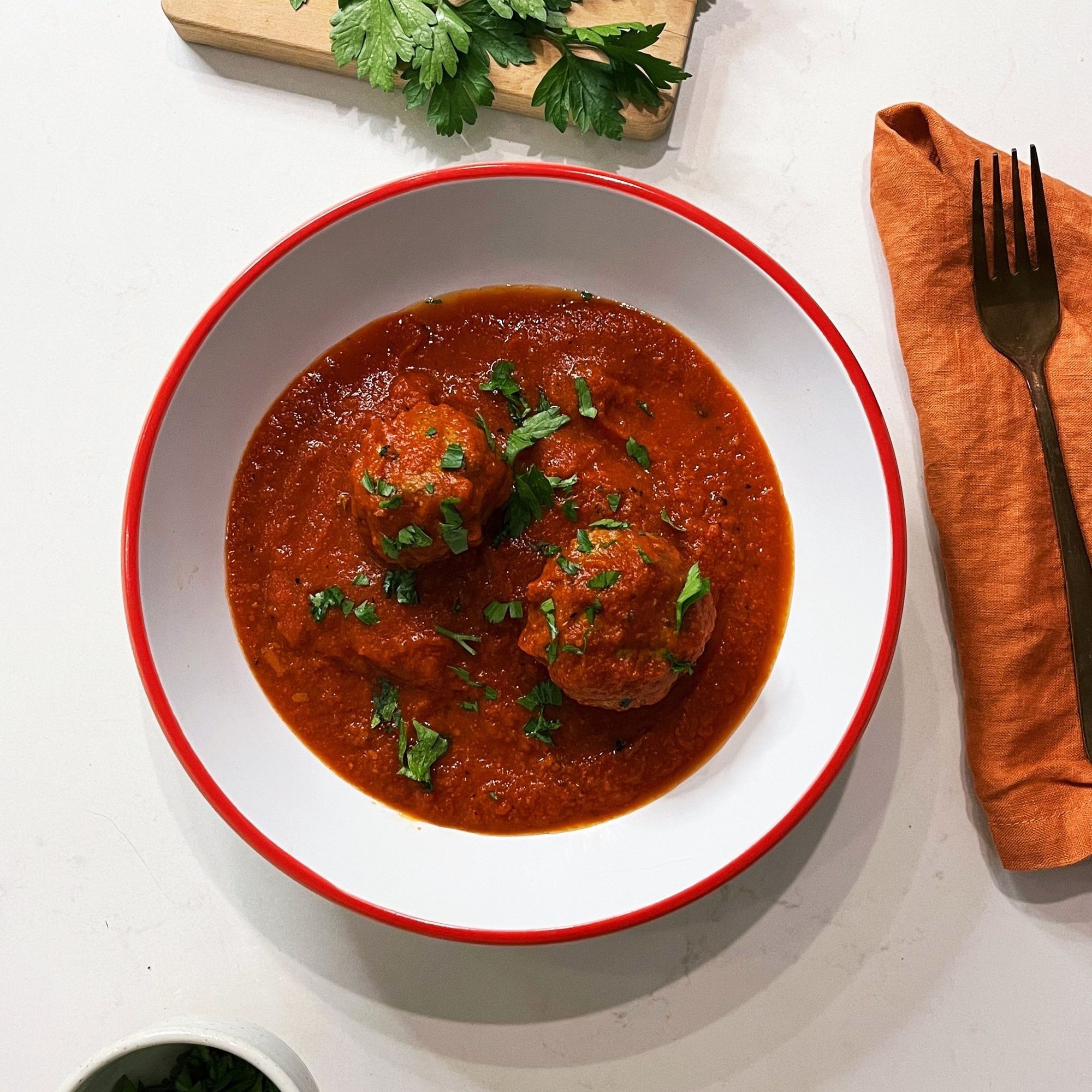
Protein and iron needs often get underestimated in the weeks after birth. According to content published on the brand’s own site, protein acts as a building block for repairing tissue and sustaining energy, with a general guide of 25 to 30 grams per meal from sources like lean meats, eggs, beans, lentils, tofu, tempeh, quinoa, and nuts. Iron, meanwhile, supports red blood cell function and helps prevent fatigue, with lean red meat, fortified cereals, tofu, and dark chocolate listed as sources. Falling short on either nutrient is one of the quieter postpartum nutrition mistakes, since fatigue from low iron can be mistaken for simple exhaustion.
Calcium and vitamin D round out the nutrients highlighted for this stage, supporting bone density and calcium absorption respectively. Leafy greens, calcium-fortified plant milks, and sardines are named as dairy-free sources of calcium. These details matter because many new parents focus only on calorie intake and overlook the specific nutrients that support bone health and blood oxygen levels during recovery.
Overlooking Lactation-Friendly Ingredients and Seed Oil Inflammation

Breastfeeding parents sometimes assume that any reasonably healthy diet will support milk supply. Welcome Home‘s own materials point to a more specific concern, noting that dairy and soy are common irritants linked to infant gas and fussiness. Its meals are made strictly dairy-free and soy-free for this reason, aiming to reduce those triggers without requiring a parent to run an elimination diet alone. Overlooking this detail, and assuming all lactation support looks the same, is another of the frequent nutrition errors families make after birth.
Seed oils come up just as often in the brand’s messaging. The company describes removing inflammatory triggers such as gluten and refined sugar, alongside keeping meals seed oil-free, as part of giving the body clean fuel to repair itself. This is framed as a gentle reset for digestion rather than a restrictive diet, which matters for anyone recovering from birth and managing a newborn’s feeding schedule at the same time.
Why Generic Meal Prep Fails Postpartum Bodies: The Welcome Home Difference
Generic meal prep services are typically designed around convenience or weight management, not recovery. They rarely account for iron depletion, lactation-related sensitivities, or the inflammatory ingredients that can slow healing. Welcome Home‘s meals are instead organized around postpartum-specific goals, built to be organic, non-GMO, seed oil-free, gluten-free, dairy-free, soy-free, and refined sugar-free, with lactation-friendly preparation throughout. Nutritionist-approved formulation is listed among its stated features as well.
Delivery itself is structured around a newborn household’s rhythm rather than a typical subscription box. Orders placed by Friday are prepared for that week, with Welcome Home hand-delivering in NYC and nearby NJ on Sundays, and shipping on Tuesdays across the broader Northeast. Meals arrive frozen in compostable packaging, and reheating instructions are printed on every container so no extra planning is required once the food arrives.
Common Mistakes When Building Postpartum Recovery Meal Plans
Even families who understand the basics can stumble when assembling a realistic eating plan. Portion sizes, variety, and digestibility often get overlooked in favor of whatever is fastest to prepare. The list below outlines some of the misconceptions that most often undercut healing, energy, and breastfeeding in practice.
- Assuming any high-calorie food will do, when nutrient density matters more than volume during tissue repair.
- Believing a single iron-rich meal a day is enough, rather than spreading iron and protein sources across breakfast, lunch, and dinner.
- Treating snacks as unnecessary extras instead of a tool for maintaining steady energy between feedings.
- Ignoring digestive comfort, even though bloating and sluggish digestion can make an already difficult recovery harder.
- Assuming breastfeeding-friendly eating means avoiding all dairy without replacing the calcium it would have provided.
Each of these habits reflects a narrow view of what recovery food needs to accomplish. Addressing them usually means thinking about meals as a full day’s structure instead of isolated choices. That shift in perspective is often what separates a plan that merely fills hunger from one that actively supports healing.
Navigating Dietary Restrictions Without Compromising Nutrient Density
Families managing allergies or intolerances alongside a newborn face a particular challenge. Cutting out gluten, dairy, or soy without a plan in place can accidentally reduce protein, calcium, or fiber intake at the exact moment the body needs more of each. Welcome Home addresses this by building every meal around its full set of removed allergens from the start, offering Signature, Vegan, and Chicken and Vegan options across its plans rather than treating restrictions as an afterthought. The Soup and Snacks plan, for example, includes seasonal 32oz soups alongside energy bites, giving a lighter but still structured option for someone easing into solid meals after birth.
Flexibility also shows up in how the plans are structured, with subscriptions running from one to eight or up to nine weeks depending on the plan, and the option to pause or cancel. The Third Trimester trial allows a full day of breakfast, lunch, and dinner before a longer commitment is made. Pairing allergen awareness with that kind of flexibility is one practical way to avoid the postpartum nutrition mistakes that come from rigid, one-size-fits-all meal planning.
Recovery nutrition rarely looks the same for any two families, but the underlying needs, steady protein, replenished iron, and ingredients that support rather than irritate digestion, stay fairly consistent across households.
