
Share This Article
Gym wear fit myths spread fast because fabric names and silhouette labels sound more technical than they really are. Shoppers assume an oversized hoodie is automatically shapeless, or that a heavy cotton tee cannot hold up to a real session. Looking at what specific product lines actually include tells a different story, and that is a useful place to start before treating any fit label as a guess.
Myth: All Oversized Gym Wear Is Simply Loose and Shapeless
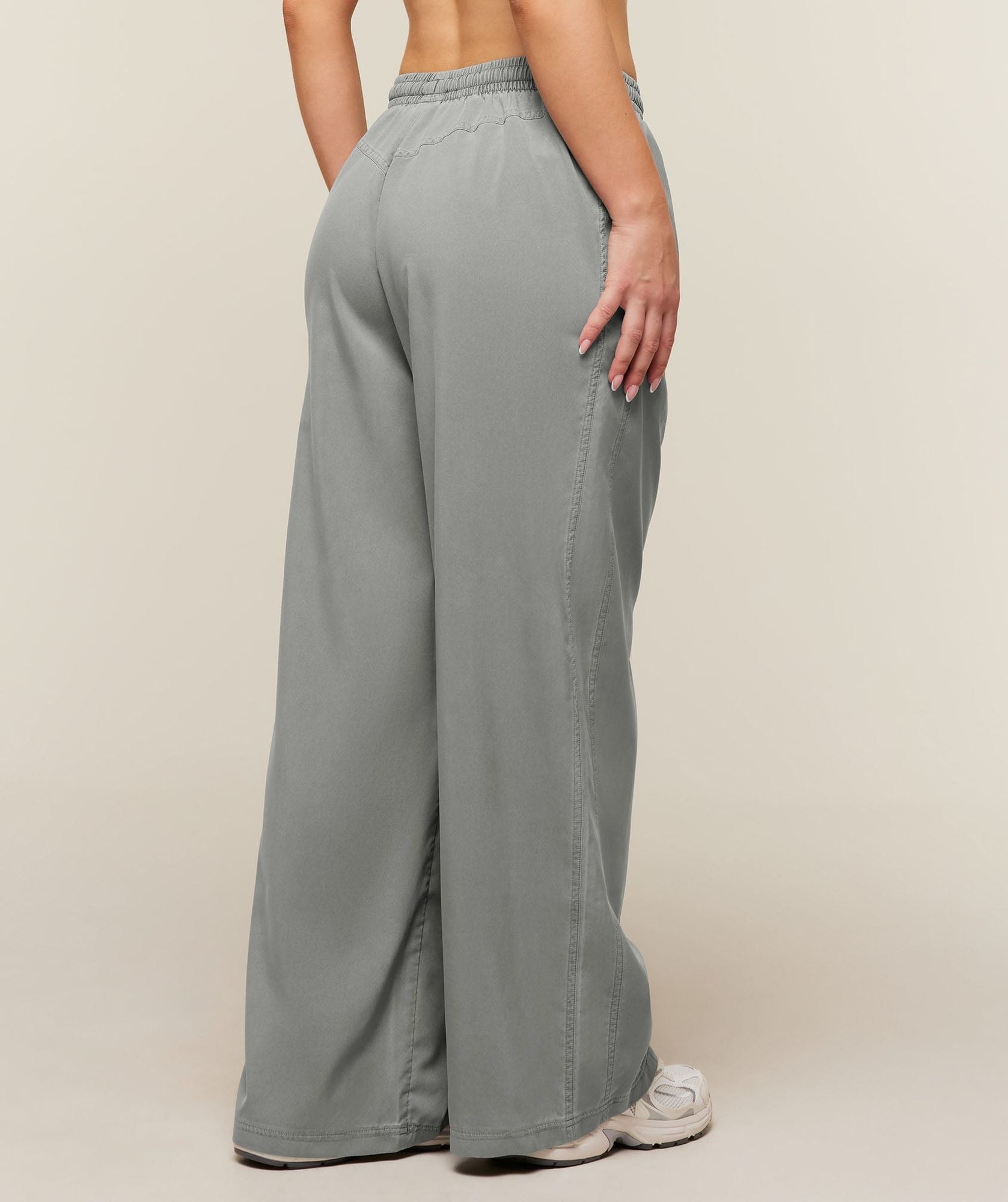
The assumption that oversized always means formless does not match how Gymshark US builds its Power range. The Power Washed Track Pants, for example, come in an oversized fit but still use stretchy fabric that allows movement without restriction. That pairing of a relaxed silhouette with flexible material is the point, not a contradiction. A boxy hoodie or wide track pant can still move with the body because the fabric itself is doing the work, not just the cut.
Myth: Heavy Cotton Fabrics Cannot Perform in Intense Workouts
Cotton has a reputation for being heavy, slow to dry, and better suited to lounging than lifting. The VENGEANCE line pushes against that idea directly, built from 100% cotton with what the brand describes as physique-maximising fits. Pieces like the Vengeance Graphic T-Shirt and Vengeance Graphic Tank use that heavier cotton construction in an oversized fit, aimed squarely at lifting sessions rather than recovery days. The heavyweight Vengeance Washed Graphic Hoodie follows the same logic in a boxy fit, which shows that cotton weight alone does not decide training suitability.
Myth: SoftSense™ and Premium Fabrics Are Only for Studio Activities
SoftSense™ is described as a premium, super soft fabric that responds to movement in the moment, and several pieces in the line are labelled made for the studio. That label covers items like the SoftSense™ High-Rise Leggings and the SoftSense™ High-Rise Flared Leggings. However, the range also includes multiway pieces, such as the SoftSense™ Multiway Long Sleeve Crop Top and the SoftSense™ Multiway Long Sleeve Top, which are built to be worn more than one way. A studio label on some items does not box the whole fabric into one activity type, since these multiway pieces are clearly designed for broader use.
Myth: Versatile Gym Clothes Cannot Work Both In and Out of the Gym

One of the more persistent gym wear fit myths is that training clothes only make sense inside a gym. Several product descriptions from Gymshark US directly contradict that. The Power Washed Track Pants are described as versatile for in and out of the gym, and the Power Washed Ribbed Henley Tank uses a henley design that works for in and out of the gym as well. These are not isolated claims attached to one item, they appear across the collection as a stated feature. That repetition across multiple listings suggests the versatility claim is a deliberate part of how the range is built, not an afterthought.
- An oversized fit is often paired with stretch fabric, so a loose silhouette does not have to mean restricted movement.
- Heavier cotton constructions, like those used in the VENGEANCE line, are positioned for lifting rather than only casual wear.
- A muscle fit or body fit style is built to sit closer to the body, which changes the aesthetic without necessarily limiting the fabric’s stretch.
- Some fabrics, such as SoftSense™, appear in both studio-labelled pieces and multiway pieces meant for broader use.
- Garments described as versatile, including certain track pants and henley tanks, are marketed for wear beyond the gym itself.
Myth: Muscle-Fit and Body-Fit Styles Restrict Range of Motion
A muscle fit or body fit label often gets read as a warning about tightness, as if closer-cut gym wear automatically limits movement. The Vengeance T-Shirt in a muscle fit and the Power Washed Ribbled Henley Tank in a body fit both use stretchy or ribbed fabric construction specifically so the garment moves with the body. The Henley Tank listing even states plainly that the ribbed fabric means movement without restriction. A closer fit changes how a garment looks on the body, but the fabric choice is what actually determines how much it stretches during a session.
Why Fit Categories Matter More Than Assumed
Labels like oversized, muscle fit, body fit, and regular are not just marketing language, they describe a real difference in how a garment sits and moves. Gymshark US lists these fit categories directly on product pages, alongside details like crop length or regular length, so the distinction works as a practical sizing choice rather than a vague style descriptor. Treating these labels as reliable information, rather than assuming based on fit name alone, helps separate gym wear fit myths from what a product actually offers. The same logic applies across collections, whether the piece is a heavyweight hoodie or a lightweight studio top.
Reading the actual fit and fabric details behind a product clears up most of the confusion around how gym clothing is supposed to perform.
