
Share This Article
Many shoppers still hesitate at the frozen aisle, assuming anything from a freezer must taste worse than a restaurant plate. Much of that hesitation comes from frozen indian curries myths that have circulated for years without real scrutiny. This article traces where those myths started and what the evidence actually shows about modern frozen curry production, including how Chef AkilaÂ’s Gourmet Ready Meals approaches the process.
Why Frozen Curries Are Not Inferior to Fresh Restaurant Dishes
A common assumption is that “fresh” automatically beats frozen. In reality, meals labelled fresh often sit at ambient or chilled temperatures for days before reaching a plate, and the nutritional value of Indian cooking tends to drop the longer that wait continues. Restaurants and takeaways frequently pre-cook in batches and hold dishes before service, which is its own form of ageing. Fast-freezing shortly after cooking locks a dish in at its peak instead of letting it decline on a shelf.
Chef AkilaÂ’s Gourmet Ready Meals cooks dishes from scratch and freezes them within minutes using specialist freezers. That timing is the detail that separates the process from a meal left resting in a kitchen or under a heat lamp. As a result, the claim that freezing is automatically a downgrade from fresh cooking does not hold up once the timeline is compared.
The Truth About Preservatives and Ingredients in Chef Akila’s Gourmet Meals
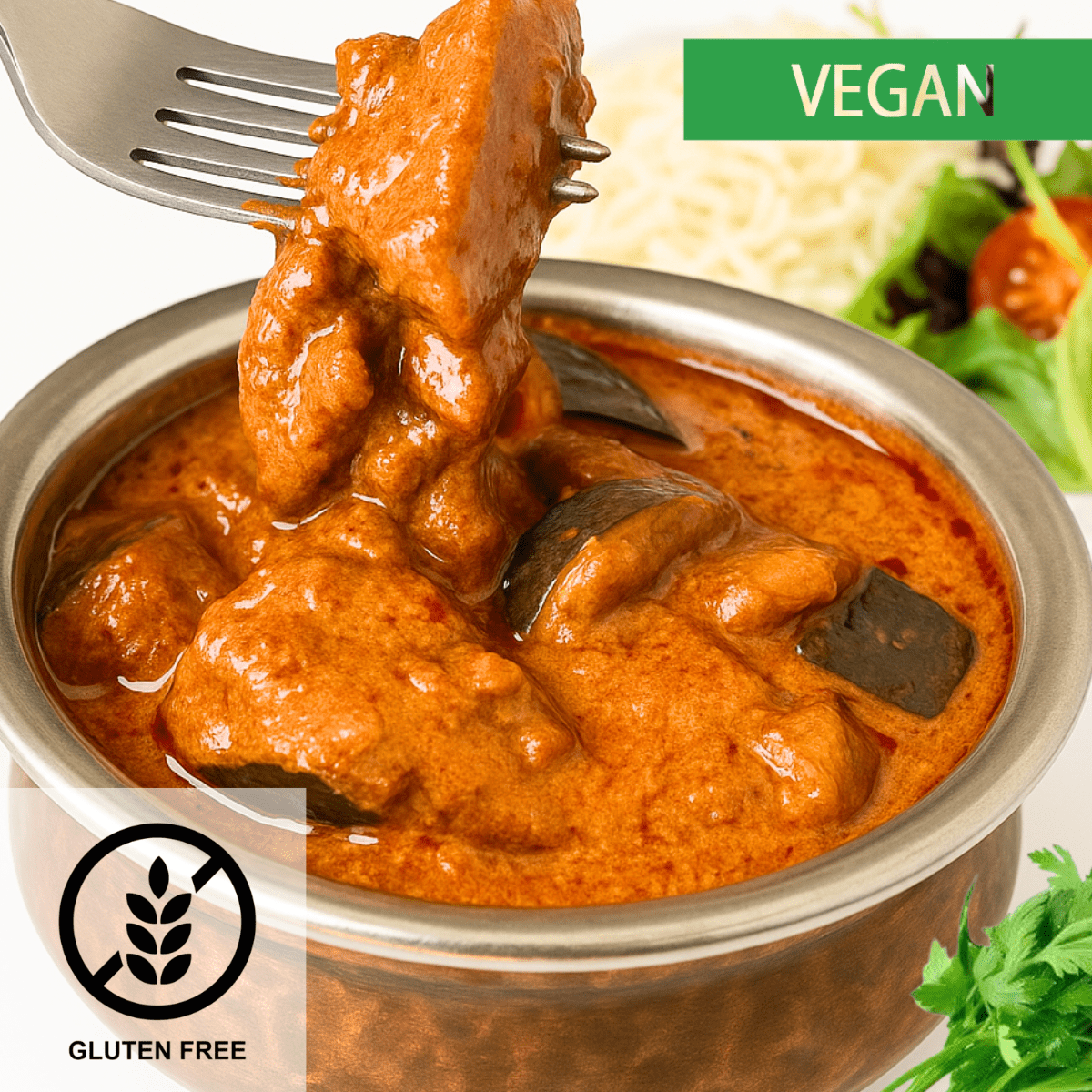
Another persistent belief is that frozen ready meals rely on preservatives to survive months in storage. Freezing itself is the preservation method, which reduces the need for chemical additives. According to the brand’s own description, about 80% of the ingredients used are certified organic, covering items such as oils and spices.
The range also avoids industrial seed oils, relying instead on virgin cold-pressed oils or homemade ghee along with freshly ground masalas. That is a different ingredient profile from the one many people assume sits behind a frozen label. The Chettinad Curry Sauce, for example, is positioned as an all-in-one base meant for adding protein or vegetables, which runs against the idea that freezer food depends on shortcuts or additives.
Fast-Freezing Does Not Damage Nutrition or Flavor
There is a widespread idea that freezing strips food of nutrients and flavour. Fast-freezing, however, works in the opposite direction by halting the natural decline that begins the moment food is cooked. Micronutrients such as vitamins and minerals are particularly sensitive to time spent at room or chilled temperature, so slowing that process helps retain them rather than lose them.
Hand-cooking happens first, and freezing follows within minutes to lock in taste and nutrition. That sequence is a deliberate step, not an afterthought bolted onto a factory line, and it directly answers one of the frozen indian curries myths claiming freezer food turns out bland or nutrient-poor. Chef AkilaÂ’s Gourmet Ready Meals built its entire process around cooking first and freezing immediately after.
Authentic Spice Blends and Hand-Cooked Methods Behind the Meat Lover’s Feast Box and Combo Ranges

Authenticity is another area where scepticism shows up often, as though freezing somehow erases a recipe’s origin. The Meat Lover’s Feast Box is described by the brand as eight of its best-selling dishes, made up of three curries, a Lamb Biryani, Chicken 65, two rice dishes, and a dal, with each portion serving two people. Dishes such as Grandma’s Lamb Curry and Delhi Butter Chicken follow family recipes rather than standardised industrial formulas.
The combo meal range extends this idea to single servings, pairing dishes like the Butter Chicken Combo Meal or the Prawn Curry Combo Meal with rice sides such as Malabar Ghee Rice. These meals are described as designed by doctors and made by chefs, combining wholesome ingredients with traditional flavour profiles. Lean cuts of Yorkshire chicken or lamb, slow-cooked with fresh spice blends, form the backbone of several dishes across the full menu.
Common Myths About Reheating Frozen Indian Food Debunked
Reheating is where a lot of scepticism concentrates, often fuelled by frozen indian curries myths built on past experiences with lower-quality microwave meals. The process described by the brand runs from freezer to fork in under ten minutes, with a simple heat-and-serve step rather than complex preparation. That speed does not require sacrificing the slow-cooked character of the original recipe, since the cooking itself already happened before freezing.
Delivery also shapes how reheating gets perceived. Meals arrive frozen in insulated boxes, with a delivery day chosen at checkout, which keeps the product in proper condition until it reaches a freezer. The list below addresses specific claims people often repeat about frozen Indian ready meals, alongside the facts that counter each one.
- Claim: frozen curries taste watery or diluted, but fast-freezing shortly after cooking is designed to preserve the original sauce consistency and flavour.
- Claim: frozen meals rely on preservatives, yet freezing itself acts as the preservation method and about 80% of ingredients used across the range are certified organic.
- Claim: ready meals cannot be authentic, though dishes such as Grandma’s Lamb Curry and Nadan Beef Curry follow specific family recipes.
- Claim: reheating ruins texture, while the stated process moves from freezer to fork in under ten minutes without extra preparation steps.
- Claim: healthy eating and ready meals are incompatible, yet the combo meals are described as designed by doctors and made by chefs.
Ready Meals Designed by Doctors Are Not Takeaway Junk Food
A final myth worth addressing is the idea that any ready meal belongs in the same category as a greasy takeaway. Chef AkilaÂ’s Gourmet Ready Meals describes its combo meals and curry boxes as designed by doctors and made by chefs, which places them in a different category from typical fast food. The kitchen behind the range also holds a 5-star food hygiene rating, and recipes are hand-cooked from scratch rather than assembled from pre-made components.
Vegetarian and vegan options sit alongside the meat-based ranges, each built from fresh, natural ingredients rather than reheated fillers. Items such as the Five Lentil Dal or Kadala Curry highlight lentils and chickpeas as sources of protein and fibre. None of this resembles the image many people still hold when frozen indian curries myths shape expectations before anyone tries the actual product, and Chef AkilaÂ’s Gourmet Ready Meals positions its range directly against that outdated picture.
Frozen Indian curries have clearly moved past the old stereotypes still attached to them. What remains is a category built on timing, ingredient choice, and recipes with a traceable origin.
