
Share This Article
Many campers assume that any sleeping pad or any folding chair will do the job, and that assumption is where comfort quietly falls apart. Camping comfort mistakes rarely come from a single bad night; they build up from small, repeated choices about insulation, support, and gear weight. Looking closer at how sleeping pads and camp chairs are built, including the gear found across BRoadout‘s range, reveals why some setups leave people sore and cold while others do not.
The Sleeping Pad Myth: Why Thickness Alone Doesn’t Equal Comfort
A thick pad looks plush in a product photo, but thickness alone says nothing about how well it insulates or supports a sleeper’s spine. Padding without the right internal structure can still let cold seep up from the ground. This is one of the more common camping comfort mistakes, because shoppers judge pads by how they look rolled out in a living room rather than how they perform on uneven dirt or frosty grass.
Support also depends on how a pad distributes weight across hips and shoulders, not just how many inches of air sit underneath. A pad that is too soft in the middle can leave a sleeper curled into an uncomfortable arch by morning. That is why material choice and internal baffling matter as much as overall loft.
Self-Inflating vs. Air Pads: Understanding Insulation and R-Value in Cold Camping
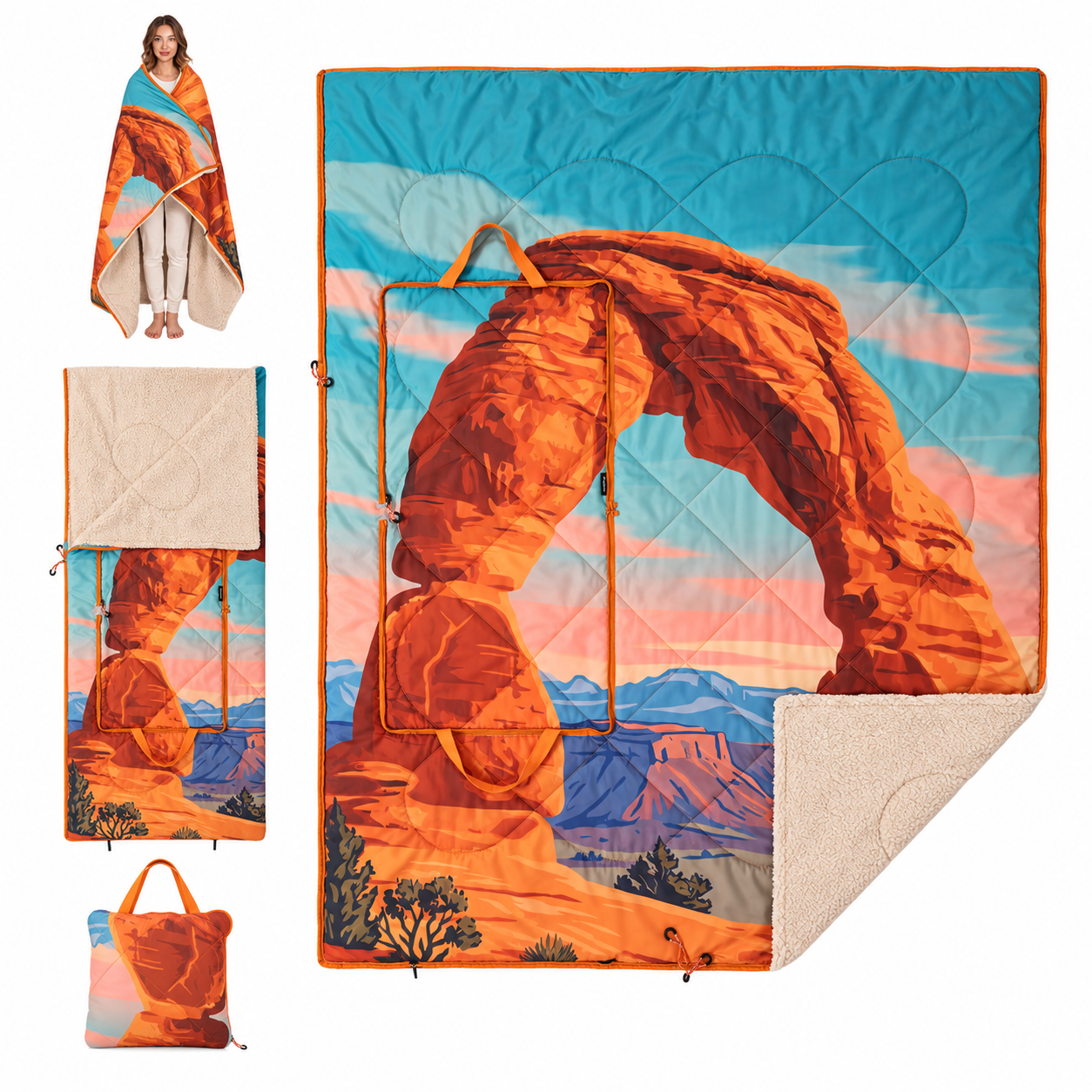
Self-inflating pads combine foam and air, which tends to simplify setup compared with pads that need to be blown up entirely by mouth or pump. Pure air pads, on the other hand, pack down smaller but rely entirely on trapped air for warmth. Either way, the R-value rating is the number that actually predicts how a pad performs against cold ground, and ignoring it is a frequent source of camping comfort mistakes.
BRoadout‘s summer sleeping pad range is built around an R-value of 1 to 2, intended for warm-weather camping, backpacking, and casual road trips where heat loss to the ground is not a major concern. For colder trips, the ATEPA GridX 8 Ultralight Insulated Sleeping Pad carries an R-value of 8 and is positioned as a 4-season mat for winter and backpacking use.
Choosing between these categories is not about which pad is objectively better; it is about matching the R-value to the season. A summer-rated pad used on a frosty fall night will underperform no matter how comfortable it felt in a backyard test.
The KingCamp DELUXE 10.1 and Built-In Pump Systems: Convenience Features That Actually Matter

Setup time is another detail that gets underestimated until it is dark and cold outside. The KingCamp DELUXE 10.1 Inflatable Sleeping Pad addresses this directly with a built-in foot pump, letting the pad inflate without manual lung power. That single feature removes one of the more tedious parts of pitching a camp bed after a long day on the trail.
Convenience features like this are not just about comfort for its own sake; they reduce the number of steps between arriving at a site and actually resting. A pad that takes several minutes of huffing and puffing to inflate is a small thing in theory, but it adds up across a multi-night trip. The DELUXE 10.1 is listed as an ultra-light camping mat on the BRoadout site, which keeps it relevant for people who also care about pack weight.
Camp Chair Design Flaws: Why Standard Frames Fail on Uneven Ground
A camp chair with a rigid, narrow-footed frame can tip or sink unevenly once it meets rocky or soft terrain. Standard folding chairs are often designed for flat patios rather than sloped campsites, and that mismatch shows up quickly outdoors. Weak frame materials can also flex under load, which translates into a wobbly, unstable seat rather than a steady place to rest.
Back support is frequently an afterthought in cheaper chair designs, with thin fabric offering little resistance against the lower spine. Over a full day of sitting around a fire or table, that lack of support becomes noticeable fatigue rather than genuine relaxation. These are the kinds of camping comfort mistakes that only become obvious after hours in the chair, not in the first five minutes.
Ultralight Doesn’t Mean Uncomfortable: The ATEPA UFO P30 and Adjustable Seating Solutions
There is a persistent idea that lightweight gear has to sacrifice comfort, but the ATEPA UFO P30 Ultralight Camping Chair pushes back on that. It features an adjustable height design, a hexagonal seat shape, and a 7075 aluminum frame, while still supporting up to 330 lbs. That combination of adjustability and load capacity shows that portability and sturdy seating are not mutually exclusive.
The hexagonal seat shape is also a departure from the plain rectangular pads found on many standard folding chairs. Paired with adjustable height, it allows the sitting position to change depending on the terrain or table height nearby. The listing for this chair on BRoadout frames it around adventurers who want lightweight durability without giving up a stable, supportive seat.
Portability Pitfalls: How Folded Size and Weight Distribution Affect a Trip
Even a comfortable chair or pad becomes a liability if it is bulky or awkward to carry. Heavy, non-collapsible furniture eats into pack space and vehicle trunk room, which matters on trips involving long hikes to a site. Weight distribution matters too; a chair that folds small but feels lopsided when carried is still an inconvenience, even if it is technically lightweight.
BRoadout‘s product lineup, including bundles like the FUNDANGO Tailgate and Camping Comfort Bundle, pairs a double-deck table with a 2-pack of heavy duty tripod stools so that an entire seating and dining setup packs down together. That kind of bundled approach addresses portability at the level of a full camp setup, not just a single item. Considering folded size alongside comfort features helps avoid the common trap of owning gear that performs well at the campsite but is a hassle before arrival.
- Ignoring R-value ratings leads to a pad that cannot handle the actual temperature of a trip.
- Underestimating setup time turns a simple pitch into a frustrating, cold wait before sleep.
- Choosing heavy, non-collapsible furniture adds unnecessary bulk to a pack or trunk.
- Neglecting ground clearance and back support in a chair results in fatigue rather than rest.
- Overlooking folded size means gear that is comfortable on-site but awkward to transport.
Avoiding these camping comfort mistakes mostly comes down to matching gear specifications, like R-value, frame material, and folded dimensions, to the actual conditions of a trip. None of these details are hidden; they sit plainly on product pages, waiting to be compared before a purchase rather than after a cold, sore night outdoors.
