
Share This Article
Comfort in footwear represents one of life’s simplest yet most overlooked necessities. The shoes we wear daily impact our posture, mobility and overall well-being more than most people realize. Whether managing a demanding work schedule, running household errands or enjoying leisure time with family, the right pair of shoes can transform daily experience from tolerable to genuinely enjoyable. Finding footwear that combines comfort, practicality and style creates a wardrobe foundation that serves reliably across all life’s activities.
The modern approach to comfortable footwear has evolved significantly from traditional designs that often sacrificed ease for aesthetics. Contemporary it shoes now integrate thoughtful engineering with contemporary styling, eliminating the outdated choice between looking good and feeling good. Lightweight materials reduce foot fatigue during extended wear, while supportive midsoles provide stability that feet crave after hours of activity. Crocs exemplifies this shift toward purposeful comfort design, offering footwear that prioritizes ease without compromising on contemporary appeal.
The Science Behind This Shoe Design
Understanding what makes shoes genuinely comfortable requires appreciating the biomechanical principles underlying their construction. Proper arch support prevents excessive foot pronation, the inward roll of the foot during walking, which can cause pain throughout feet, knees and lower back. Cushioned midsoles absorb impact forces that would otherwise transfer directly to joints, reducing wear and tear accumulated over months and years of daily wear. Breathable materials allow proper ventilation, preventing moisture accumulation that leads to blisters and fungal complications.
The heel-to-toe drop, the height difference between heel and forefoot, significantly influences how the body distributes weight while walking and standing. Zero-drop designs encourage natural foot positioning, while moderate drops provide a subtle incline that many find it for extended periods. Shoe width accommodations ensure proper fit without excessive pressure points that create discomfort. Crocs implements these foundational comfort principles across their entire product range, ensuring each pair delivers the support and ease that feet truly deserve.
Casual Comfort for Daily Life
Daily footwear needs differ dramatically from weekend leisure shoes, yet both demand fundamental comfort standards. Shoes suitable for workplace environments, errands and casual family activities require versatility that bridges multiple contexts. Neutral color palettes and simple designs integrate seamlessly with various outfit combinations, eliminating the need for multiple similar shoes serving slightly different purposes. Durable construction materials withstand the rigors of regular use without premature deterioration, protecting footwear investment for seasons of reliable service.
The casual comfort category encompasses everything from slip-on styles that prioritize convenience to structured designs offering enhanced arch support during extended standing. Material selection becomes crucial, synthetic textiles dry quickly after exposure to moisture, while natural materials provide superior breathability for temperature regulation. Crocs casual collection addresses this diverse casual market with options ranging from minimalist designs to more elaborately styled alternatives, ensuring everyone finds footwear matching their comfort preferences and aesthetic sensibilities.
Specialized Comfort for Specific Needs
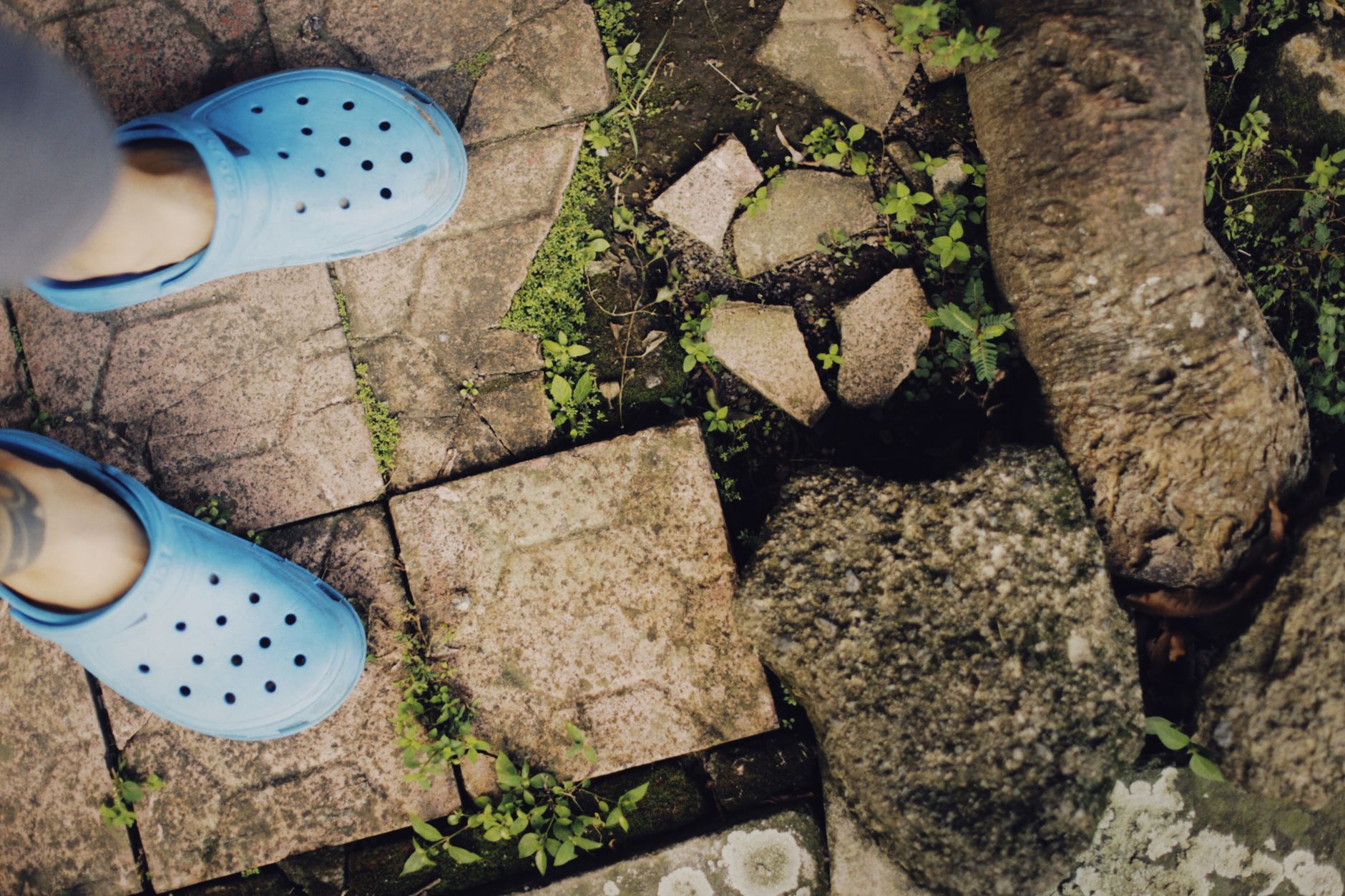
Beyond daily casual wear, specific activities benefit from purposefully designed footwear addressing their unique demands. Healthcare professionals, hospitality workers and kitchen staff require shoes withstanding continuous moisture exposure while maintaining slip resistance on wet surfaces. These specialty work shoes prioritize durability, cleanability and foot support for individuals spending eight-hour shifts on feet. Athletes need footwear engineered for their specific sport’s biomechanical requirements, running shoes differ fundamentally from basketball shoes, which require different design considerations than soccer boots.
Outdoor adventure pursuits demand weather-resistant construction protecting against elements while maintaining breathability. Hiking boots provide ankle stabilization absent in lower-cut alternatives, protecting against twisted ankles on uneven terrain. Water activities require quick-drying materials and drainage systems preventing waterlogging. Crocs extends their comfort engineering into these specialized categories, recognizing that truly this footwear must adapt to specific lifestyle demands while maintaining their core comfort principles.
Key Factors in Choosing Comfortable Footwear
- Proper arch support prevents foot pronation and reduces pain throughout the feet, knees and lower back.
- Breathable materials and ventilation channels keep feet dry by preventing moisture accumulation.
- Lightweight construction reduces foot fatigue during extended periods of standing or walking.
- Flexible rubber compounds and responsive cushioning mold to the foot’s unique shape naturally.
- Durable materials withstand regular use and activity demands without premature deterioration.
Material Innovation and Modern Comfort

Contemporary it footwear benefits from material innovations unavailable just years ago. Lightweight foam compounds absorb impact while remaining responsive underfoot, providing cushioning without the sluggish feeling of older foam technologies. Moisture-wicking linings keep feet dry by drawing sweat away from skin toward outer layers where evaporation naturally occurs. Flexible rubber compounds mold to foot shape, creating a personalized fit that improves over time with wear rather than remaining rigidly uncomfortable.
Ventilation channels and breathable mesh paneling allow air circulation that traditional solid uppers cannot match, dramatically improving comfort during warm weather wear. Advanced sole technologies provide superior traction across varied surfaces, reducing slipping risks that plague conventional rubber compounds. Crocs leverages proprietary Croslite material technology, creating lightweight shoes with superior cushioning properties and inherent antimicrobial characteristics that set their comfort approach apart from conventional footwear construction methods.
Building a This Footwear Wardrobe
Creating a practical shoe collection begins with identifying core needs across different life contexts. One neutral everyday shoe handles most situations, while specialized options address specific activities. Weather considerations inform material and design choices, waterproof construction suits rainy climates while breathable designs excel in warm environments. Color coordination simplifies outfit planning by selecting neutral bases that complement typical clothing palettes. Rotating between multiple pairs extends each shoe’s lifespan by allowing materials to decompress between wearings, maintaining their cushioning properties and structural integrity longer than daily continuous wear.
Properly fitted footwear prevents long-term foot problems from developing, making correct fitting essential before purchasing. Measure feet in the afternoon when slightly swollen from daily activity and try shoes on both feet since most people have slightly asymmetrical feet. Walk around the store or home, testing shoes in realistic conditions rather than stationary standing. Quality it shoes represent investments in health and daily well-being, justifying slightly higher initial costs through superior durability and the reduced need for repeated replacement cycles common with cheaper alternatives. Start with fundamentally comfortable options and expand the collection as lifestyle and preferences evolve.
