
Share This Article
Running transforms physical health and mental well-being, offering accessible exercise improving cardiovascular fitness, mental clarity and overall life quality significantly. Yet running sustainability depends critically on proper footwear. Wrong shoes cause discomfort, blisters, injuries and discourage continuation of exercise routines entirely. Conversely, shoes matching your running style and foot type enable injury-free enjoyment of running for years. Understanding what distinguishes quality running shoes helps you invest in footwear delivering genuine performance and health benefits. Saucony specializes in running footwear combining advanced technology with comfort design. Whether starting a running program, returning to running after time away or seeking performance improvements, understanding running shoe fundamentals ensures you select shoes enabling consistent, injury-free training. Investing in proper running shoes represents investing in your health and fitness success.
Running Gait Analysis and Shoe Matching
Everyone runs differently due to biomechanical differences and physical proportions. Your gait, how your foot strikes ground and moves through running motion, determines which shoe type suits you best. Neutral runners have natural gaits requiring minimal support and motion control features. Overpronators roll inward excessively, requiring shoes correcting this motion and stabilizing feet throughout stride. Underpronators roll outward, needing additional cushioning on inner foot and support preventing ankle stress. Understanding your gait prevents selecting shoes causing pain or injury. Professional gait analysis at running stores identifies your style accurately, enabling informed shoe selection. Saucony offers shoes addressing different gait patterns and biomechanical needs effectively.
Cushioning Technology and Impact Protection
Running impacts your body with forces multiple times bodyweight with each step. Proper cushioning absorbs impact, protecting joints, bones and connective tissues from repetitive stress accumulating over thousands of steps. Different runners need different cushioning levels based on bodyweight and injury history. Heavier runners benefit from maximum cushioning protecting joints under increased load while lightweight runners may prefer minimal cushioning maintaining ground feel for responsiveness. Shoe technology, foam composition, gel inserts, spring mechanisms, air pockets, varies dramatically between brands and models. Quality running shoes employ proven cushioning technology delivering consistent performance through hundreds of miles of continuous use.
Breathability and Moisture Management
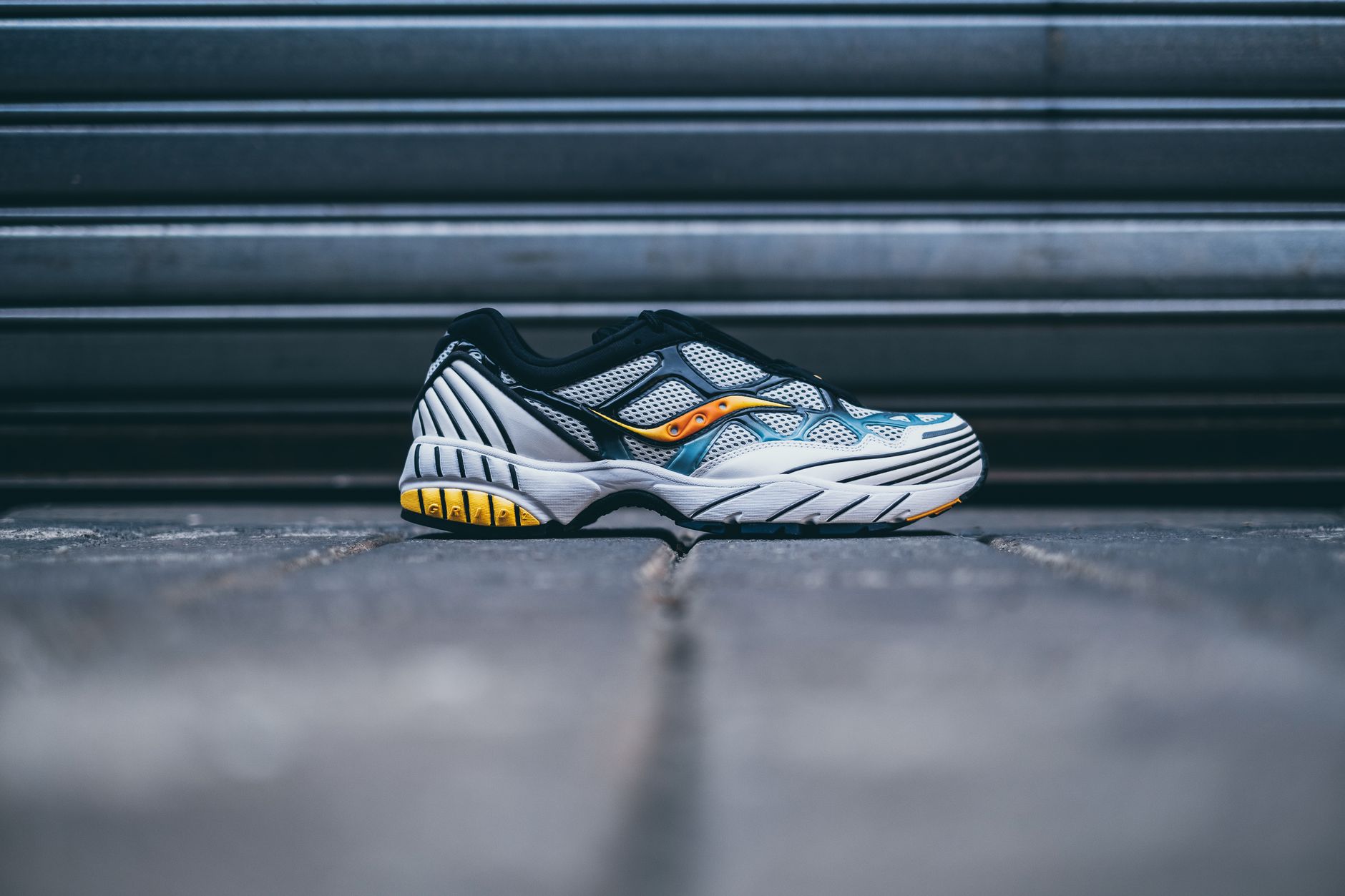
Running generates significant heat and perspiration, especially during longer distances or warm weather training sessions. Shoes with poor ventilation create warm, moist environments promoting blisters, fungal issues and persistent odor problems. Quality running shoes use breathable mesh allowing air circulation while managing moisture effectively. Moisture-wicking properties pull sweat away from skin preventing buildup that causes discomfort and foot problems. Proper ventilation and moisture management enhance comfort substantially and prevent foot problems developing during or after runs. Your feet produce considerable moisture over hours of running.
Durability and Mileage Expectations
Running shoes degrade predictably through accumulated mileage. Quality shoes maintain structural integrity through 300-500 miles of running depending on bodyweight and usage patterns. After that, cushioning compresses, support diminishes and injury risk increases significantly. Rather than waiting for obvious failure and potential injury, replacing shoes at mileage markers prevents problems developing. Tracking mileage helps you know when replacement becomes necessary. Quality shoes offering longevity through substantial mileage deliver better value than cheap alternatives requiring frequent replacement cycles. Saucony
Essential Running Shoe Features
- Proper fit with minimal heel slipping but not excessive tightness anywhere on the foot.
- Adequate cushioning matching your bodyweight and running surface type.
- Breathability and moisture management preventing blisters and odor issues.
- Support characteristics matching your gait pattern and pronation tendency.
- Durable construction maintaining integrity through expected mileage requirements.
The Break-In Period and Comfort
New running shoes require break-in allowing feet to adapt to different support and cushioning systems. Avoid attempting long runs in completely new shoes, this risks blisters and discomfort. Instead, gradually introduce new shoes over several short runs, allowing feet to adjust naturally. Many runners experience minor discomfort initially that resolves as shoes conform to feet. However, persistent pain or blisters indicate shoe unsuitability, don’t continue hoping they improve with time. Saucony
Running Surface and Shoe Selection

Different surfaces demand different shoes with appropriate design for each environment. Road running shoes prioritize cushioning and smooth transitions on pavement. Trail shoes offer aggressive tread for grip and protection on uneven terrain and rocky paths. Track shoes are minimal and lightweight for speed and responsiveness. Treadmill running requires shoes handling repetitive forward motion without demanding lateral stability. Selecting shoes for your primary running surface optimizes performance and durability considerably.
Running success depends on multiple factors, training, consistency, nutrition, recovery, but proper footwear forms the foundation enabling everything else to succeed. Saucony demonstrates that quality running shoes combining proven cushioning technology, proper support and durable construction make performance running accessible to all levels. Whether pursuing competitive goals, maintaining fitness or discovering running’s mental health benefits, invest in shoes matching your gait and running style. The right shoes transform running from painful chore into enjoyable, sustainable activity you’ll maintain for life. Your feet and body will thank you with years of injury-free running.
