
Share This Article
Modern smartphones are significant investments that deserve proper protection. A quality phone case is not merely an accessory, it is a practical safeguard that can extend the lifespan of your device by years. Whether you are a careful user or frequently face accidental drops and impacts, selecting the right protective case is essential for maintaining your phone’s value and functionality.
The smartphone market has evolved dramatically over the past decade, with devices becoming thinner, lighter and more feature-rich. Yet this progress has made phones more vulnerable to damage. Screen repairs often cost hundreds of dollars and a cracked back panel can compromise water resistance and overall durability. This is where investing in premium protective cases like Spigen becomes worthwhile.
Understanding Different Types of Phone Protection
Phone cases come in various forms, each serving different protection needs and aesthetic preferences. Understanding these categories helps you choose the right option for your lifestyle and requirements.
Slim cases prioritize minimalism and portability, offering basic protection against dust and minor drops while maintaining your phone’s slim profile. They work well for careful users who value thinness and design preservation. Rugged cases, by contrast, prioritize maximum impact absorption with reinforced corners, shock-absorbing materials and thicker construction, ideal for people who work outdoors or are prone to drops.
Hybrid cases combine hard polycarbonate shells with soft elastomer bumpers, balancing protection and style effectively. Wallet cases integrate card storage, which suits those who prefer carrying fewer items. Clear cases preserve the phone’s original appearance while offering moderate protection, making them popular among users who want to showcase their device’s design. The range of Spigen cases covers all these categories, ensuring protection for every preference.
Materials and Durability Considerations
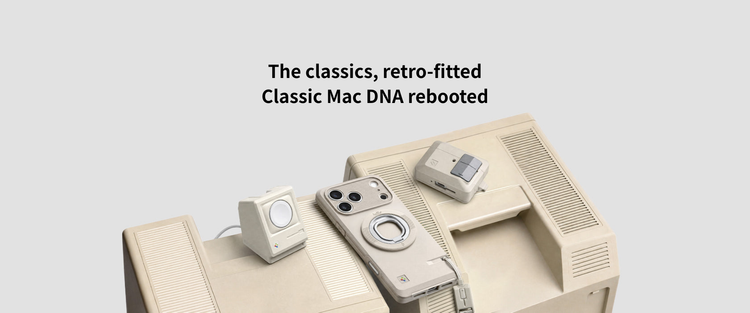
The materials used in phone cases directly impact their protective capabilities and longevity. Polycarbonate, a rigid plastic compound, provides excellent drop protection and durability, resisting scratches and discoloration over years of use. Thermoplastic polyurethane (TPU) offers flexibility and shock absorption, making it ideal for the bumpers and inner layers of hybrid cases.
Premium cases often combine multiple materials strategically. Hard polycarbonate shells protect against impacts to flat surfaces, while soft TPU edges absorb shock from drops and collisions. Raised bezels around the screen and camera prevent direct contact with surfaces when the phone is placed face-down or back-up on tables.
Leather and leather-like materials offer sophistication and warmth to the hand, though they typically provide less protection than synthetic options. Fabric options add texture and style, popular among fashion-conscious users. When selecting a case, consider how the materials will age, quality materials resist yellowing, maintain their grip and preserve their appearance through extended use. Manufacturers like Spigen excel at material selection and durability engineering.
Key Features to Prioritize When Choosing a Case

Beyond basic protection, modern phone cases incorporate practical features that enhance daily functionality and user experience. Here are the essential features worth considering in your selection
- Raised bezels protect screens and camera lenses from surface scratches and impacts when the phone is placed on tables.
- Reinforced corners with extra cushioning provide additional shock absorption at the most vulnerable points during drops.
- Precise cutouts ensure all buttons, ports and wireless charging remain fully accessible without obstruction.
- Textured surfaces improve grip strength, reducing accidental drops from slippery hands.
- Microfiber lining protects the screen and back panel from dust particles and scratches during daily use.
Practical Features That Enhance Daily Use
Wireless charging compatibility remains important for users who prefer this convenient charging method, not all cases support fast wireless charging, so verification is important. Kickstand functionality built into some cases enables hands-free viewing for video watching and video calls, adding genuine utility beyond protection.
The design philosophy behind a quality protective case recognizes that users want both peace of mind and practical functionality. Payment card readers in certain cases allow contactless payment functionality, though this feature has become less common as phones integrate payment technology directly. When evaluating cases, prioritize features that align with your daily habits and needs. Spigen cases typically include many of these thoughtful design elements.
Protecting Your Investment Long-Term
A phone is often one of your most-used personal devices, making it worthy of protection proportional to its value. Consider the cost-benefit analysis a quality protective case typically costs between 5 and 15 percent of your phone’s value, while screen or back panel repairs often exceed 25 percent of that value. From a purely financial standpoint, case investment pays dividends.
The psychological aspect matters equally, carrying an unprotected expensive device creates constant anxiety about potential damage, while a well-protected phone allows for genuine peace of mind. You can place your phone on tables, slip it into bags with other items and navigate daily environments without worry.
Protection extends beyond drops. Cases shield against scratches from keys and coins, prevent dust from entering charging ports and guard against minor water splashes, though comprehensive waterproofing requires dedicated water-resistant cases. Most users find that a quality case protects their investment adequately for several years, through multiple phone transitions and life circumstances.
Balancing Style and Function
Modern protective cases have evolved far beyond bulky, ugly designs. Today, you can achieve excellent protection without sacrificing aesthetics. Many people choose cases that reflect their personal style, whether that means sleek minimalism, bold colors, patterns or clear designs showcasing the phone’s original appearance.
The variety available ensures that prioritizing protection need not mean compromising on style preferences. Brands offering diverse design options make it feasible to select a case that aligns with both your protection requirements and visual preferences. This balance has made protective cases acceptable accessories across all demographics, rather than something worn reluctantly.
Making an informed choice about phone protection comes down to understanding your personal use patterns, environmental exposure and values. Whether you frequently travel, work outdoors, commute in crowded spaces or use your phone carefully at home, there exists an appropriate protective case designed for your situation. Spigen Investing in quality protection ensures your device remains safe, functional and protected for years to come.
