

Share This Article
Children’s clothing represents complex purchasing challenge, rapid growth necessitates frequent replacement cycles creating waste while maintaining budgets. Beyond practical considerations, clothing communicates self-expression enabling children developing identity through aesthetic choices. Quality children’s clothing supports comfort encouraging active play, allows room for growth maximizing wear duration, and offers sophisticated designs enabling genuine style expression rather than character-dominated limitation. MiniOlie recognizes this opportunity through fashionable comfortable children’s clothing, accessories, and coordinated outfits enabling families combining practicality with authentic style. For parents seeking quality children’s fashion respecting comfort priorities while enabling style expression, thoughtful clothing selection supports healthy child development alongside practical wardrobe management. The combination of comfortable construction, fashionable designs, and flexible sizing enables children’s wardrobes supporting growth without constant replacement cycles.
Understanding Children’s Clothing Comfort Priorities
Children’s comfort needs differ fundamentally from adult requirements, sensitive skin sensitivity, mobility demands during active play, and temperature regulation during intense activity create specific demands. Comfortable clothing enables extended play sessions supporting physical development and emotional wellbeing. Poorly designed children’s clothing restricts movement, causes irritation, and discourages activity engagement. MiniOlie prioritizes comfort construction addressing children’s specific needs through material selection and design philosophy emphasizing wearability. Understanding comfort importance enables making informed clothing choices supporting activity engagement and development.
Growth Accommodation and Sizing Strategy
Rapid childhood growth creates wardrobe challenges—purchases becoming too small within months creating frustration and waste. Strategic sizing enables extending wear duration through natural growth accommodation. Flexible sizing accommodates growth ranges, enabling clothing serving longer developmental periods. Purchasing with growth consideration maximizes value through extended wear duration. Generously sized initial purchases enable outgrowth into rather than rapidly outgrow from clothing. This sizing strategy represents practical approach maximizing wardrobe longevity.
Durability and Practical Wear Resistance
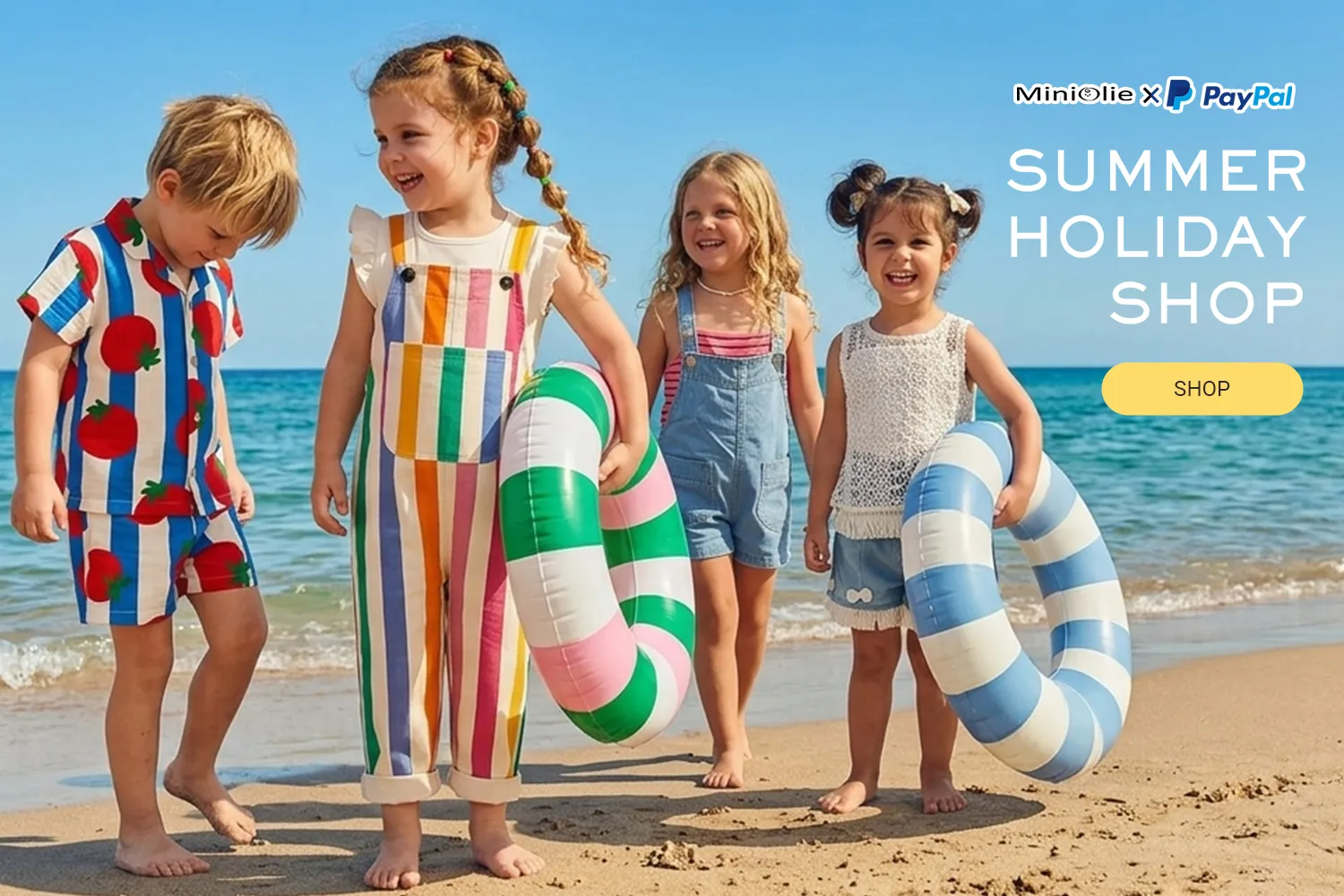
Children’s clothing endures intense wear, playground activities, outdoor play, and active engagement generate dirt and stress testing durability constantly. Quality construction prevents rapid deterioration maintaining appearance through extended wear. Durable construction survives childhood wear patterns, enabling clothing transitioning through siblings maintaining appearance quality. Understanding wear patterns enables selecting appropriate construction styles and materials surviving childhood activities. Heavy-duty stitching, reinforced stress points, and quality materials distinguish durable clothing from budget alternatives requiring frequent replacement.
Coordinated Outfit Systems and Wardrobe Efficiency
Managing children’s wardrobes becomes overwhelming through disconnected pieces—mixing and matching different colors and styles creates selection paralysis. Coordinated outfit systems simplify wardrobe management through intentionally designed pieces combining attractively. Coordinated outfit designs simplify morning selections, enabling children and parents making easy choices supporting efficient routines. Pre-coordinated systems reduce decision fatigue while enabling aesthetic coherence. Strategic wardrobe planning through coordinated approaches enables smaller overall quantities functioning as complete systems.
Style Expression and Age-Appropriate Fashion
Children benefit from style participation enabling identity expression rather than limitations imposed through character-only designs. Fashion-forward children’s clothing enables developing aesthetic preferences supporting healthy identity development. Fashionable designs enable genuine style expression, respecting children’s emerging preferences beyond cartoon limitations. Age-appropriate sophistication enables children participating in family style discussions and aesthetic decisions. This style respect supports confidence and personal expression development.
Seasonal Transitions and Layering Strategy
Seasonal changes require wardrobe transitions, winter warmth demands shift to lightweight summer clothing. Strategic layering enables flexible temperature accommodation without excessive inventory. Layering systems enable flexible climate adaptation, supporting comfortable play across temperature variations. Lightweight base layers, insulating mid-layers, and protective outer pieces enable customizable combinations. Understanding seasonal requirements enables strategic purchasing supporting year-round comfort without excessive piece quantities.
Fabric Selection and Skin-Friendly Materials
Sensitive children’s skin requires careful fabric consideration, synthetic materials can cause irritation and heat trapping; natural fibers provide comfort and breathability. Quality fabric selection supports skin health and comfort during extended wear. Premium fabric choices protect sensitive skin, enabling comfortable wear without irritation. Understanding fabric properties enables selecting materials supporting child health alongside durability. Soft touchable fabrics encourage positive clothing associations enabling children valuing garment care.
Accessory Coordination and Complete Outfit Development
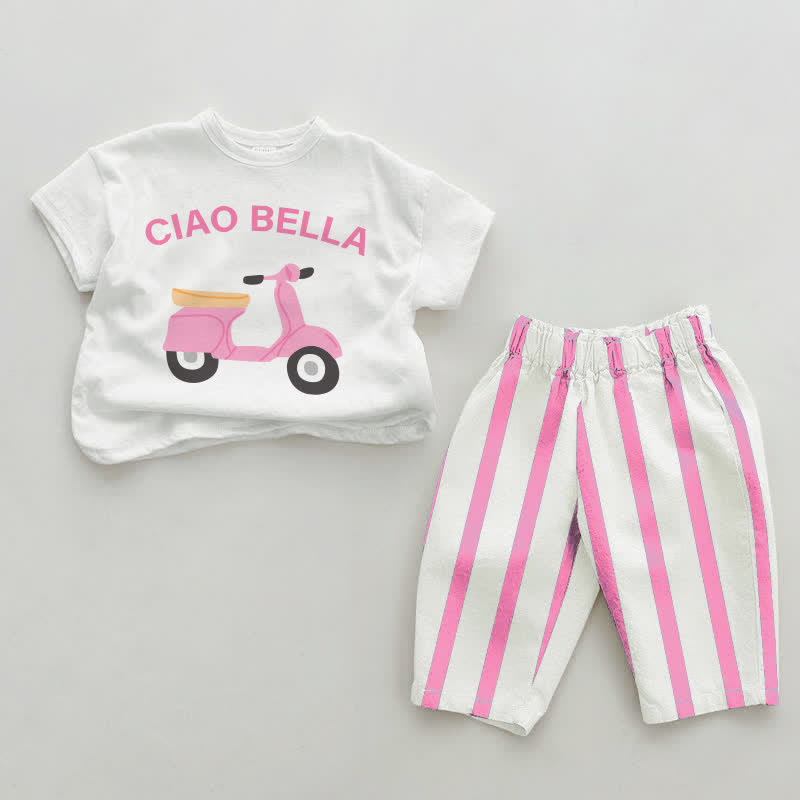
Accessories complete outfits while enabling style customization, hats, scarves, and bags provide functional benefits alongside aesthetic enhancement. Quality accessories enable outfit variety extending perceived wardrobe size. Coordinated accessories enhance outfit possibilities, enabling diverse combinations from core wardrobe pieces. Strategic accessory selection enables weather functionality alongside style expression. This accessory approach maximizes wardrobe versatility supporting diverse occasion appropriateness.
Developmental Stage-Appropriate Designs
Children’s needs progress through developmental stages, infant clothing differs fundamentally from toddler and school-age requirements. Understanding developmental appropriateness enables selecting clothing matching children’s capabilities and needs. Stage-appropriate designs support developmental needs, providing functionality matching capability levels. Careful consideration of developmental appropriateness prevents purchasing clothes undermining growth support. Quality children’s clothing manufacturers understand developmental progression enabling appropriate design selection.
Children’s clothing requires balancing comfort, durability, style expression, and practical management, complex optimization challenging typical purchasing approaches. MiniOlie enables this balance through comfortable construction, fashionable designs, coordinated systems, and growth-aware sizing. For parents seeking quality children’s fashion supporting healthy development, authentic style expression, and wardrobe efficiency, thoughtful clothing selection enables creating wardrobes serving growing children while respecting practical requirements and emerging style preferences through age-appropriate, comfortable, durable clothing supporting confident childhood exploration.