
Share This Article
Whether you’re planning a weekend getaway or a multi-week expedition into the backcountry, the backpack on your shoulders determines your comfort, capability, and confidence. For decades, Gregory has been synonymous with quality backpacking gear—trusted by everyone from casual weekend hikers to professional guides and expedition teams. But with dozens of models in their lineup, each engineered for specific terrains and trip lengths, how do you choose the right Gregory backpack for your needs? This comprehensive guide explores what makes Gregory backpacks exceptional, how to select the perfect size and style, and why serious adventurers continue to choose Gregory year after year. Whether you’re a first-time backpacker or a seasoned trail veteran, this article will help you make an informed decision that transforms your outdoor experience.
Why Gregory Dominates the Backpacking Market
Gregory has been making backpacks since 1967, when founder Gregory Houchins set out to solve a simple problem: commercial backpacks of the time didn’t fit his back properly. Instead of accepting mediocre gear, he designed and built his own. That obsession with proper fit, comfort, and functionality remains at the heart of Gregory’s mission today. The company’s reputation is built on rigorous engineering, field testing, and a genuine commitment to adventurers. Gregory backpacks are designed by people who actually use them in the field, not corporate boardrooms disconnected from reality. This results in backpacks that solve real problems: straps that don’t dig into shoulders, hip belts that distribute weight properly, ventilation systems that prevent sweat buildup, and organizational systems that keep gear accessible. When you invest in a Gregory backpack, you’re investing in decades of accumulated knowledge, testing, and refinement. These aren’t trendy backpacks designed to look cool—they’re functional tools engineered to make your adventures safer, more comfortable, and more enjoyable.
Understanding Gregory’s Capacity Categories
Gregory offers backpacks in several size ranges, each designed for specific trip types. Understanding these categories helps you choose the right pack. Day packs (15-30 liters) are perfect for day hikes, short excursions, or approach packs for climbing. They’re lightweight, versatile, and designed to carry just the essentials. Weekend packs (30-50 liters) work well for 2-3 day trips or weekend backpacking adventures. These offer enough capacity for a tent, sleeping bag, and food while remaining manageable for continuous hiking. Backpacking packs (50-70 liters) are designed for week-long trips where you need to carry more food, gear, and supplies. These larger packs excel at multi-day expeditions where you’re staying in backcountry camps. Expedition packs (70+ liters) tackle the big adventures—extended trips into remote wilderness, mountaineering expeditions, or long-distance treks. These massive packs are engineered for serious weight distribution and ventilation. Most recreational backpackers find a 50-65 liter pack covers 90% of their adventures, offering flexibility without being too large. The key is honest self-assessment: what will your typical adventure look like?
The Science of Backpack Fit and Comfort
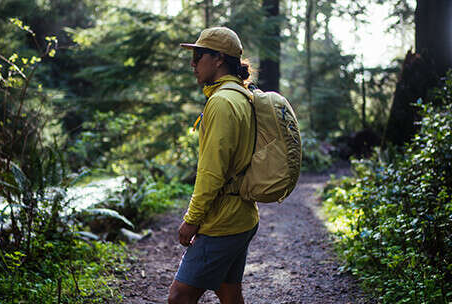
Here’s where Gregory truly excels: backpack fit. A poorly fitting backpack transforms a pleasant hike into a shoulder-destroying ordeal. Gregory packs feature multiple torso length options (typically XS, S, M, L) because people come in different sizes and proportions. Your torso length—measured from where your shoulders meet your neck to your hip bones—determines the proper pack size for your body. A pack that’s too long will ride too high on your shoulders and cause discomfort. A pack that’s too short won’t properly distribute weight to your hips. Gregory’s detailed fit charts help you measure correctly and choose your size. Once you have the right size, Gregory’s hip belts are engineered to sit on your hip crests (the bony points on your hips), not on your waist. This positioning transfers the weight of the pack to your strong hip and leg muscles rather than your shoulders. For a 50-pound pack, this distinction is the difference between an enjoyable hike and a miserable one. Their shoulder straps are shaped and padded to distribute pressure across broad areas rather than concentrating it in narrow lines. It sounds technical, but it matters every step of the way.
Ventilation and Weight Distribution Technology
Carrying a heavy pack generates heat and sweat. Gregory’s ventilation systems reduce this discomfort without sacrificing support. Many of their mid-range and premium packs feature suspended mesh back panels that allow air to circulate between the pack and your back. This prevents the clammy feeling of a pack frame pressed directly against your sweaty shirt. Additionally, these ventilation systems maintain the structural integrity needed for proper weight distribution. It’s a careful balance—optimal airflow without sacrificing lumbar support and load stability. Their innovations don’t end there. Gregory constantly refines how load is distributed: the suspension system (straps and frame) how weight sits in the pack, and how gear is organized to keep the center of gravity close to your body. A well-balanced pack feels lighter and hikes better than an equally heavy but poorly balanced one.
Organization That Actually Works

Rummaging through a disorganized backpack at 10,000 feet is frustrating and potentially dangerous if you need gear quickly. Gregory packs feature thoughtfully designed organization systems: compartments that separate gear, external pockets for frequently accessed items, dedicated attachment points for trekking poles, ice axes, or crampons, and lash points for extra gear. Their straps and clips aren’t haphazardly placed—they’re positioned based on how adventurers actually use their packs. Multiple pockets mean you can organize gear logically: food in one compartment, sleeping bag in another, first aid and emergency supplies in a quick-access pocket. This organization system becomes invaluable when hiking in poor weather or darkness when you need to find something without unpacking your entire backpack.
Durability That Lasts for Years
Gregory backpacks are built to last. They use high-quality materials—reinforced nylon, durable webbing, quality zippers, and well-constructed seams. Many adventurers report their Gregory packs lasting 10+ years of regular use. This durability means you’re not replacing your pack every season, making Gregory a smart long-term investment. Additionally, Gregory offers repair services for damaged packs, further extending their lifespan. This commitment to durability reflects the company’s values: building gear that adventures with you for years.
Choosing Your Gregory Adventure
The right Gregory backpack depends on your specific adventures. Research models designed for your use case, pay attention to capacity and torso length, and if possible, try the pack on at a retailer where you can adjust the straps and load it with weight. Your backpack is one of the most important pieces of gear you’ll ever buy—it deserves careful consideration.
Your next adventure starts with the right gear on your back. Gregory backpacks transform comfort and confidence in the backcountry, allowing you to focus on the experience rather than your equipment.
Ready to find your perfect adventure companion? Explore how Gregory backpacks have earned the trust of adventurers worldwide—from weekend hikers to professional expeditions—with proven engineering, thoughtful design, and a commitment to keeping you comfortable on every trail.