

Share This Article
Chess has remained a timeless intellectual pursuit for centuries, challenging minds and shaping strategic thinking across the globe. Yet the digital age demands new approaches to an ancient game. Chessnut emerges as a transformative force in the chess world, blending artificial intelligence with physical board gameplay to create an entirely new dimension of chess engagement. For enthusiasts seeking to elevate their game, from casual players to serious competitors, this technology offers unprecedented opportunities to learn, compete, and experience chess in ways previously impossible.
The Evolution of Chess Technology
Traditional chess boards have served their purpose for generations, providing a tactile, immersive experience that digital screens cannot fully replicate. However, they lack the computational power to analyze positions, suggest improvements, or provide real-time feedback. Chessnut bridged this gap by creating intelligent connected chessboards that maintain the physical authenticity of the game while introducing smart capabilities. These boards sense piece movements, communicate with AI engines, and deliver insights that transform casual play into structured learning. The design respects the classical chess experience while opening doors to modern analytical capabilities that professional and amateur players alike have come to expect.
Smart Board Features and AI Integration
At the heart of Chessnut technology lies seamless integration between physical pieces and digital intelligence. When players move pieces on the board, sensors detect the actions instantly, and the system processes them through advanced Chessnut chess engines that can evaluate positions in milliseconds. The board provides visual feedback through built-in lighting systems, highlighting legal moves, suggested strategies, and highlighting critical positions. This real-time guidance helps players understand why certain moves are stronger than others, accelerating the learning curve significantly. The AI can adjust its playing strength to match any skill level, making it equally valuable for beginners learning fundamentals and grandmasters analyzing openings.
Training and Analysis Tools
Beyond casual play, Chessnut excels as a serious training platform. Players can load entire games from chess history, replay famous matches, and pause at critical moments to explore alternative variations. The system explains tactical motifs, positional concepts, and strategic principles in ways that static notation cannot convey. These Chessnut training features allow students to build muscle memory for opening repertoires, practice endgame techniques, and analyze their own games with professional-grade tools. The visualization of piece relationships, control patterns, and tactical themes on a physical board creates a deeper understanding than studying diagrams on paper ever could.
Competitive Play and Online Integration
Chessnut boards connect seamlessly to online chess platforms, enabling players to compete against opponents worldwide while maintaining the satisfaction of physical board play. Rather than staring at a computer screen, users move actual pieces while their actions transmit to online servers automatically. This hybrid experience appeals to players who appreciate the social and tactile elements of traditional chess but want the global reach and rating systems that online play provides. Chessnut technology supports major chess platforms, ensuring compatibility with existing communities and established rating systems.
Design and User Experience
The physical construction of Chessnut boards reflects careful attention to aesthetics and functionality. Modern designs maintain elegant simplicity while incorporating the sensors and electronic components necessary for smart features. The pieces themselves are weighted and feel authentic to traditional tournament sets, and the board surface provides the natural feel that serious players expect. Setup is intuitive, with minimal technical knowledge required to begin playing. The accompanying mobile and desktop applications provide intuitive interfaces for selecting opponents, analyzing positions, and accessing training materials. This thoughtful integration of hardware and software ensures that technology enhances rather than complicates the chess experience.
Who Benefits from Smart Chess Technology
Different players gain different advantages from Chessnut smart boards:
- Beginners use the guided moves and position explanations to develop foundational understanding without feeling overwhelmed by complexity.
- Intermediate players leverage the analysis tools to identify weaknesses in their game and practice specific scenarios repeatedly.
- Advanced competitors analyze openings and endgames against engines tuned to their preferred strength levels, refining preparation strategies.
- Chess educators introduce students to analysis tools more engaging and dynamic than traditional classroom methods.
- Parents seeking engaging STEM-oriented activities for children discover that chess development becomes both educational and entertaining.
The Future of Interactive Chess
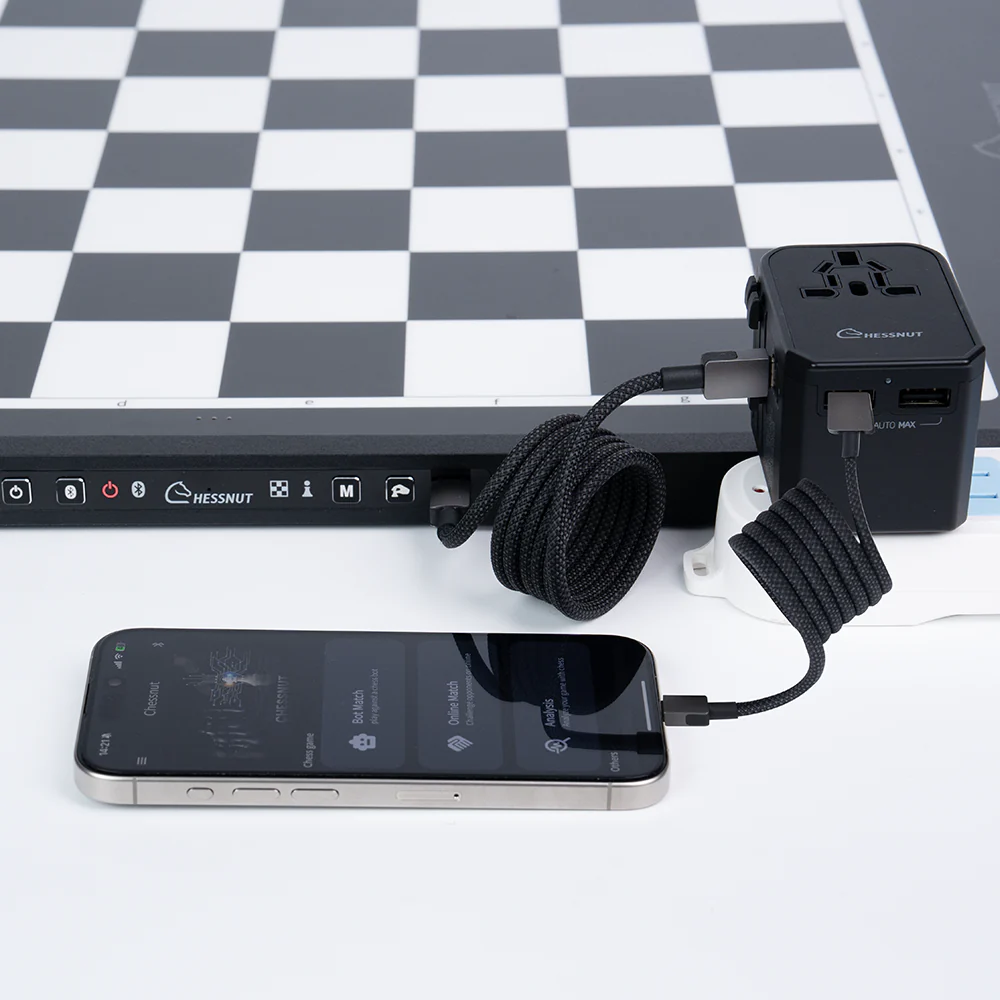
As artificial intelligence continues advancing, the capabilities of smart chess systems will deepen. Future iterations may incorporate neural networks trained on millions of games, virtual reality enhancements that project three-dimensional board states, or augmented reality overlays showing potential continuations. Chessnut positions itself at the forefront of this evolution, establishing a foundation that welcomes technological advancement while remaining true to chess principles. The connected board ecosystem creates a platform where enthusiasts can access world-class training tools, competitive opportunities, and community engagement all through a single, unified interface. Whether chess represents a serious pursuit or an enriching hobby, technology like this transforms how players of all levels engage with the game.
Investing in Chessnut connected chess boards means choosing a system designed for both the present moment and the future, offering unmatched versatility in how chess is played, learned, and analyzed.