
Share This Article
Action cameras have revolutionized how people document their adventures, but the latest evolution takes this further, 360-degree cameras capture entire environments in immersive format. Whether you’re skydiving, mountain biking or exploring underwater worlds, Insta360 technology lets you relive every moment from any perspective. These innovative devices open creative possibilities impossible with traditional cameras, allowing viewers to look in any direction while watching your footage. Understanding 360-degree camera technology and how to use it effectively can transform your content creation and adventure documentation.
The Evolution of Action Camera Technology
Action cameras emerged to serve adventurers and athletes who needed durable, portable equipment that captured their exploits. Traditional action cameras offer wide-angle perspective but limited to a single direction. Modern Insta360 action cameras represent the next frontier, they capture panoramic environments and provide viewers complete directional freedom. This evolution reflects advances in sensor technology, processing power and software capabilities. What started as niche sporting equipment has become accessible to travelers, content creators and everyday adventurers. The progression from basic action cameras to sophisticated 360-degree systems shows how technology increasingly enables creative expression and documentation of experiences worth preserving.
Understanding 360-Degree Video Technology
Insta360 use multiple lenses or special optical configurations to simultaneously capture video in all directions. Viewers can pan, tilt and rotate the perspective while watching, choosing which direction to look moment by moment. This immersive format creates engagement fundamentally different from traditional video, viewers become active participants rather than passive observers of events unfolding. The technology works by stitching multiple video feeds together seamlessly, creating a complete spherical environment viewable from any angle. Playback on compatible devices, VR headsets or even standard screens with directional controls lets audiences explore footage freely. The sensation of immersion and presence distinguishes 360-degree video from conventional formats that viewers observe passively.
Applications for 360-Degree Cameras Across Industries
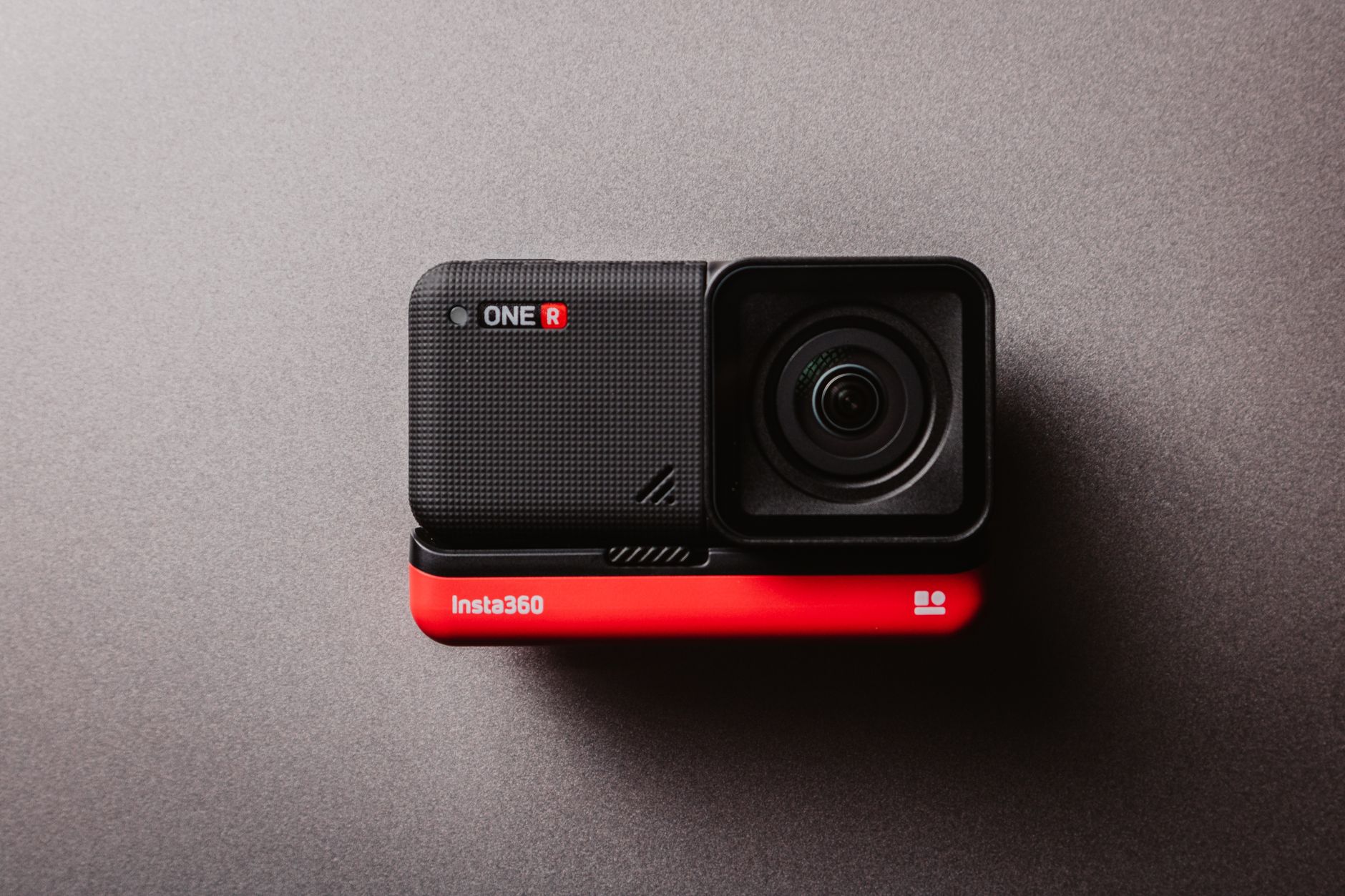
Beyond personal adventure documentation, 360-degree cameras serve professional and creative purposes across numerous sectors. Real estate agents use them to create immersive property tours that let potential buyers explore spaces remotely. Travel companies produce destination previews that let potential visitors explore before booking flights and accommodations. Content creators on YouTube and social platforms experiment with immersive storytelling that engages audiences in fundamentally new ways. Adventure athletes showcase their sports from unprecedented perspectives that no traditional camera could capture. Documentary makers capture scenes with multiple simultaneous angles, eliminating the need for multiple camera operators. Educational institutions use 360-degree video for immersive learning experiences that transport students to historical events or distant locations. The versatility of the format opens creative possibilities limited only by imagination and technical skill. As cameras like Insta360 become more accessible and user-friendly, adoption across industries continues expanding rapidly.
Key Features of Modern 360-Degree Cameras
- Ultra-wide dual lenses capturing complete 360-degree panoramic footage simultaneously.
- Stabilization technology preventing motion blur despite camera movement during action.
- Weatherproof and rugged construction surviving extreme conditions and impacts.
- High-resolution sensors enabling detailed footage and creative post-processing options.
- Built-in editing software for stitching, stabilizing and exporting completed footage.
Practical Considerations for 360-Degree Shooting

Creating effective 360-degree content requires rethinking traditional filming approaches. Since viewers control perspective, you can’t rely on directing attention through framing or editing techniques. Instead, sound design becomes crucial, audio cues and music direct attention more effectively than visual framing. Composition requires thinking in spheres rather than rectangular frames. Movement should be smooth and predictable since unexpected camera shifts disorient viewers in immersive format. Hiding equipment and operators becomes important, viewers will notice crew in background footage that conventional camera angles would exclude. Understanding these unique requirements separates amateur 360-degree attempts from professional-quality immersive content that viewers genuinely appreciate and recommend.
Equipment and Software Ecosystem
Modern 360-degree cameras like Insta360 include comprehensive software ecosystems that extend functionality beyond basic recording and playback. Built-in editing apps let you stabilize footage, remove unwanted elements from your panoramic scene and enhance colors for more vivid presentation. Export options support various platforms from YouTube to VR platforms, Twitch and social media channels. Mobile apps enable wireless control and instant preview on your phone before committing footage. Cloud storage keeps your footage safe and accessible from anywhere. Desktop editing software provides advanced creative control for serious projects and professional workflows. This complete ecosystem means you can go from raw footage to polished content using tools provided by your camera manufacturer. The integration eliminates compatibility headaches and ensures all components work together seamlessly.
Creative Storytelling with Immersive Perspective
Insta360 creates unique storytelling opportunities different from traditional video in fundamental ways. Environmental storytelling becomes more prominent since viewers can examine surroundings in detail. Tension and suspense build differently when viewers control where they look, creating anticipation that traditional cameras struggle to match. Documentaries benefit from the viewer agency that immersive format provides. Action sports footage gains visceral impact from perspective placing viewers inside the action. Travel content becomes preview experiences where potential visitors genuinely explore destinations. When creators understand these unique storytelling aspects and leverage them intentionally, 360-degree content transcends novelty and becomes powerful medium for communication. Brands and creators investing in immersive storytelling position themselves as innovators in visual communication.
