
Share This Article
For people actively managing GLP-1 therapy, nutrition needs shift as treatment progresses. The comparison between biocare vs Biocare2 often comes down to a single question: is the person still on medication, or moving off it? That distinction shapes formula composition, timing, and format, and it is the organizing idea behind the entire It Nutrition range.
Biocare: Formulation for Active GLP-1 Therapy
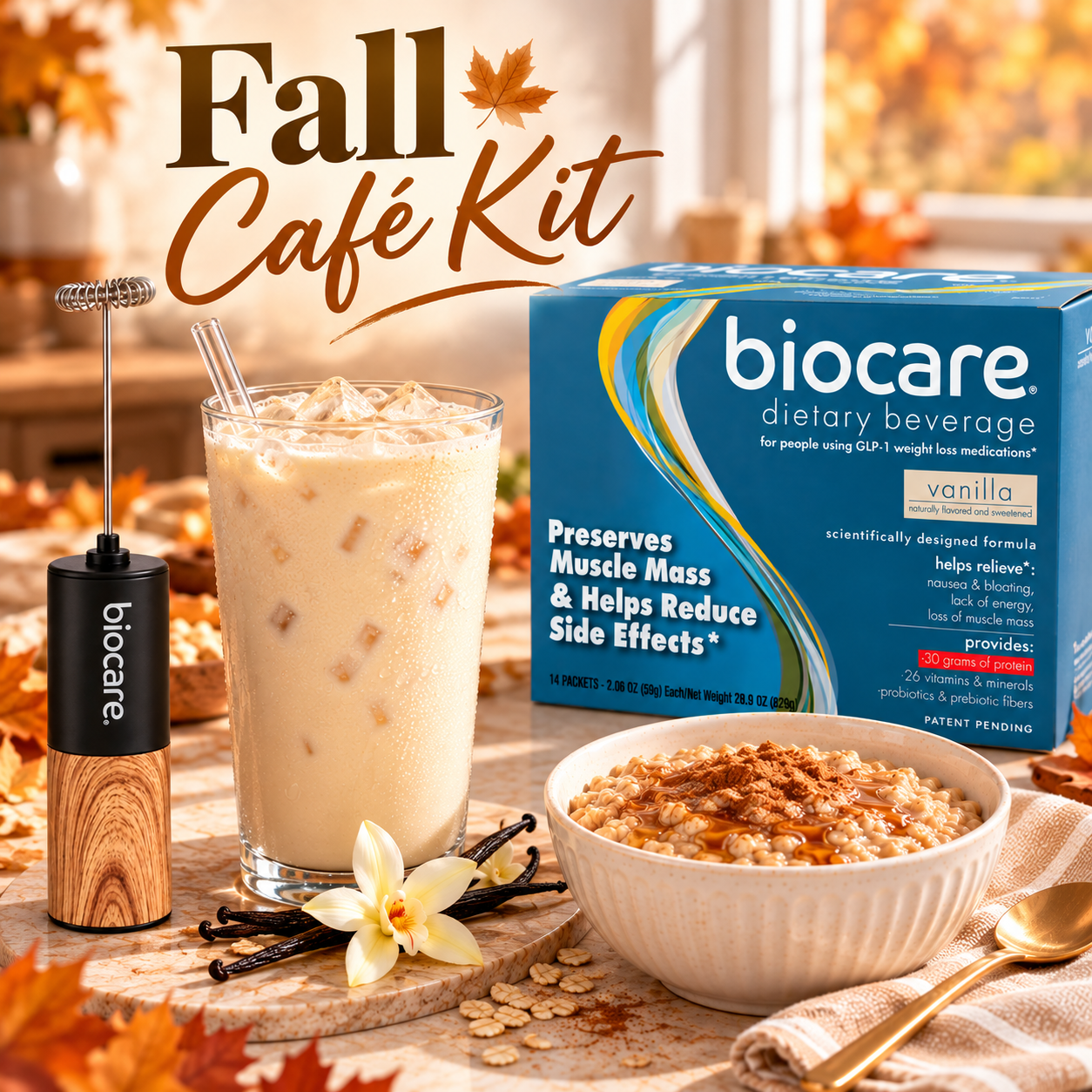
Biocare is built for the stretch of treatment when appetite drops fast and eating enough becomes the real challenge. The formula delivers 30g of protein alongside 26 vitamins and minerals, aiming to cover a full day’s nutritional support in a single shake. The brand Nutrition positions this line as the starting point for people beginning a GLP-1 medication, when low appetite makes hitting protein and nutrient targets difficult.
The shakes are described as GI-friendly, a detail that matters given how often GLP-1 medications cause stomach upset. biocare is framed specifically for the period of active therapy, not for tapering or maintenance, which is where Biocare2 enters the picture.
Biocare2: Lighter Formula for Tapering and Maintenance
Biocare2 is described as a lighter, lower-calorie formula built for the maintenance phase, aimed at tapering, microdosing, or life after medication ends. Each packet carries 30g of complete milk, whey, and casein protein, plus 0.5g of creatine, DNF-10, and 9 to 11g of prebiotic fiber. This combination is positioned to help manage returning hunger as metabolism recalibrates off medication.
Where It targets a period of suppressed appetite, Biocare2 targets the opposite challenge, namely hunger that returns as a dose decreases or stops. That reversal in purpose is the clearest marker separating Biocare vs Biocare2 in practical terms.
The Core Nutritional Difference: 30g Protein Across Both Lines
Both lines share a 30g protein baseline per serving, which keeps the comparison from being about raw protein count. biocare pairs that protein with 26 vitamins and minerals for broad daily coverage. Biocare2 pairs its 30g protein with prebiotic fiber, creatine, and DNF-10, nutrients tied to the specific demands of the transition phase rather than general daily nutrition.
So the The brand vs Biocare2 distinction is not about more or less protein. It is about what rides alongside that protein and which phase of treatment it is designed to support.
Beverage Formats vs. Entrée and Snack Options

The product range extends well past a single shake format. The catalog lists more than five formats, spanning dietary beverages, microwave-ready entrées, protein bars, and lower-protein fruit drinks. The entrées, for instance, carry 35g of protein per meal and are microwave-ready in roughly 5 to 8 minutes, with varieties including Creamy Alfredo with Ch’ken, Savory Chili, Sloppy Joe, and Taco Pasta.
The Biocare2 beverage lineup includes Mocha, Chocolate, Caramel, and Creamy Vanilla flavors, sold in multi-packet counts. Bundles like the Biocare2 Coffee Shop combine Biocare2 mocha and caramel beverages with a cinnamon crisp protein bar and a handheld frother, aimed at the maintenance phase specifically.
- Ready-to-drink and powder dietary beverages under the Biocare label carry 30g of protein and suit the active medication phase when appetite is lowest.
- 12g protein fruit drinks, available in orange and cranberry grape, serve as a lighter alternative on days when a full shake feels like too much.
- The Biocare entrées, including Creamy Alfredo with Ch’ken, Savory Chili, Sloppy Joe, and Taco Pasta, offer a hot, microwave-ready meal with 35g of protein.
- 15g protein bars, sold in flavors such as Peanut, Cocoa Caramel, Graham Cracker Fudge, Minty Cocoa Crunch, and Cinnamon Crisp, work as a portable snack option.
- Biocare2 beverages in Mocha, Chocolate, Caramel, and Creamy Vanilla are built around the tapering and maintenance phase rather than active treatment.
GI-Friendly Design and Digestive Considerations in Each Formula
Digestive comfort is a recurring theme across both lines. The biocare shake formula is described as gentle, intended to be easier to tolerate when GLP-1 medications cause nausea or queasiness. That matters during active therapy, when digestive side effects are often at their peak.
Biocare2 approaches digestion from a different angle, leaning on prebiotic fiber content to support the gut as appetite and metabolism shift during tapering. Both formulas list probiotic or prebiotic elements, though the stated purpose differs by phase. The GI-friendly framing in each case ties directly back to the specific stage of treatment each product addresses.
Transitioning Between Biocare and Biocare2 Through the GLP-1 Journey
The two lines are framed as chapters of a single continuum rather than separate products. The stated journey splits into four stages: starting out, on medication, tapering, and post-medication maintenance. It covers the first two stages, while Biocare2 picks up from tapering onward.
This structure is why the Biocare vs Biocare2 question keeps surfacing for people managing a long GLP-1 course. Robard Corporation, which has operated in medically supervised weight management for nearly 50 years, produces the The brand Nutrition range from its facility in Mount Laurel, New Jersey. Products across both lines are made in the USA at SQF and GMP certified facilities, a detail that applies to the full catalog rather than any single item.
Choosing between biocare vs Biocare2 ultimately tracks the stage of treatment, not a preference for one flavor lineup over another.
