
Share This Article
Barefoot shoes have moved from a niche curiosity to a recognizable category within footwear, and Vivobarefoot sits at the center of that shift. The brand builds shoes around a simple idea: feet function better when they are allowed to move the way they were shaped to move. Rather than adding structure, cushioning, or support, Vivobarefoot strips footwear back to its essentials, aiming for something as close to going barefoot as a shoe can be.
Understanding Barefoot Shoe Design and Natural Foot Movement
Conventional shoes are often built around elevated heels, narrow forefoots, and rigid soles that limit how a foot can flex or splay. Shoes take the opposite approach, treating the foot as something already well designed rather than something that needs correcting. It describes its own construction as wide, thin, and flexible, a combination intended to let the foot behave as it would unshod.
This philosophy shapes every part of the range, from casual shoes to styles meant for sport or outdoor use. Instead of dictating how a foot should sit inside the shoe, the design lets the foot’s own shape and movement lead. That distinction is what separates minimalist footwear from footwear that is simply lighter or slimmer in appearance.
Wide Soles and Toe Box: Freedom of Movement in Vivobarefoot Shoes
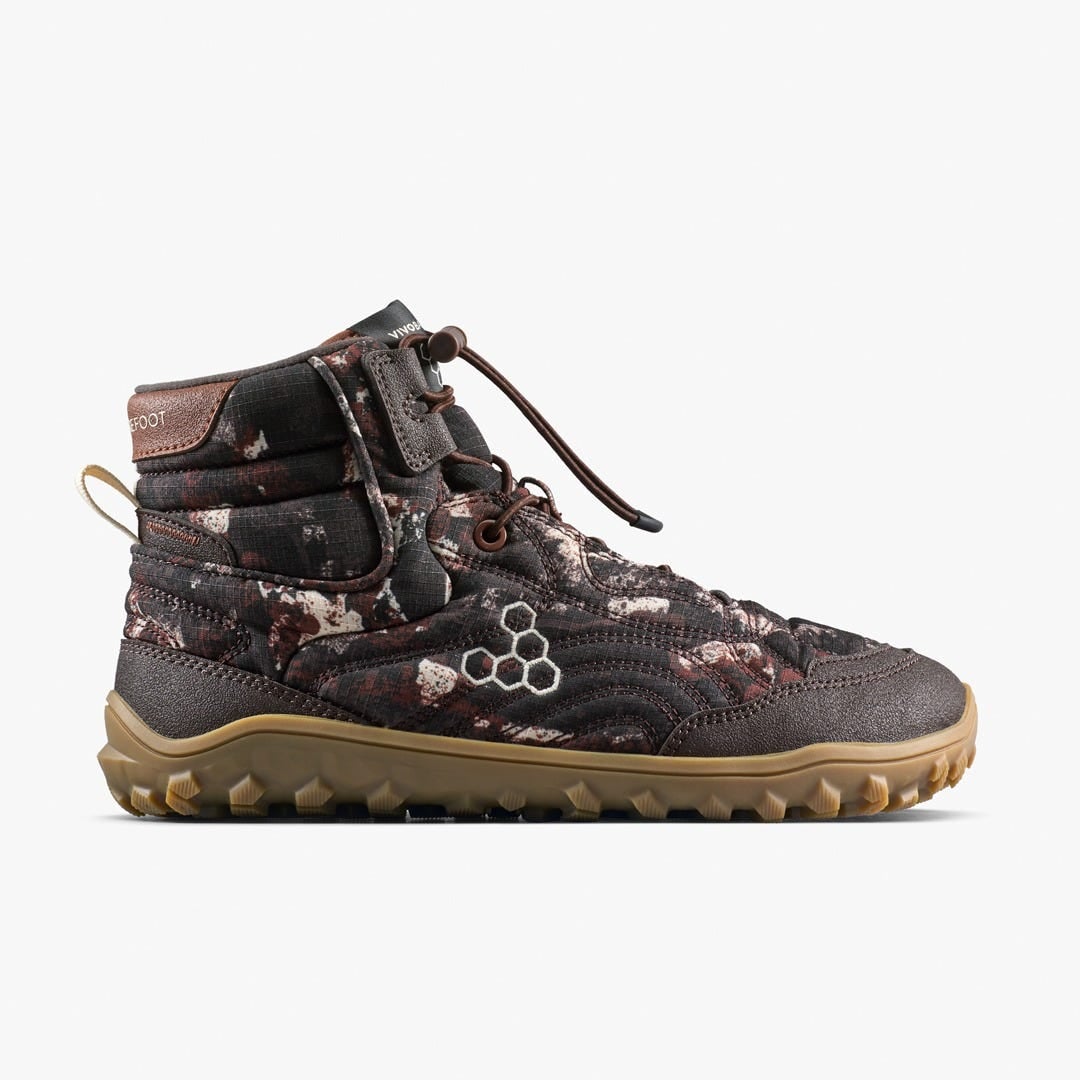
One of the clearest signatures of Vivobarefoot is the width built into its soles and toe boxes. A wider platform gives toes room to spread naturally, rather than being pressed together by a tapered front end. This is a direct contrast to much of conventional footwear, where a narrow toe box is standard regardless of how the foot itself is shaped.
Because the toes are not forced into a point, the foot can engage more of its surface when standing, walking, or shifting weight. This design choice does not alter the biomechanics the brand claims to support, it simply removes the physical constraint that a narrow shoe would otherwise impose. The result is a shape that follows the foot, instead of asking the foot to follow the shoe.
Thin Sole Construction and Ground Feel
Thin soles are another defining element of the Vivobarefoot approach. Where many shoes add layers of cushioning between the foot and the ground, this construction keeps that layer minimal. The intent is to preserve what is often called ground feel, meaning a closer sensory connection to the surface being walked on.
A thin sole is not the same as a flimsy one. It is a deliberate design decision meant to reduce interference between the ground and the sole of the foot. For wearers moving from heavily cushioned shoes, this is often the most immediately noticeable feature of shoes as a category.
Flexibility and Proprioceptive Benefits</Flexibility and Proprioceptive Benefits

Flexibility in a shoe’s sole allows it to bend and twist along with the natural motion of the foot, rather than resisting it. Vivobarefoot emphasizes this flexible construction as one of its three core design pillars, alongside width and thinness. A sole that moves with the foot, instead of against it, supports the kind of unrestricted motion the brand centers its range around.
Proprioception refers to the body’s sense of its own position and movement, and footwear plays a role in how much of that sense reaches the brain through the feet. A flexible, thin, and wide shoe interferes less with this feedback loop than a rigid one. This is a well-documented idea within the broader barefoot and minimalist footwear category, not a claim specific to any single brand.
Transitioning to Barefoot Footwear: What Wearers Should Expect
Moving into barefoot shoes typically represents a change from footwear with more structure, padding, or elevation. Because the foot is asked to do more of its own work without external support, the transition period is often described as an adjustment phase within the category generally. Vivobarefoot’s shoes, by virtue of their thin and flexible soles, place feet in closer contact with varied surfaces than most wearers are used to.
This does not mean every wearer experiences the shift the same way, since starting points vary widely across individuals and prior footwear habits. What stays consistent is the underlying design, wide, thin, and flexible, regardless of which model is chosen. That consistency is part of what defines the brand’s identity within the barefoot shoes market.
The Vivobarefoot Range Across Daily Life and Activity
The brand’s catalog spans footwear meant for everyday wear as well as styles built for more active use. The common thread across the range is the same set of design principles applied to different contexts, rather than a different philosophy for each use case. This gives the brand a recognizable identity whether the shoe in question is intended for a commute or for outdoor movement.
Because the core construction stays consistent, someone familiar with one Vivobarefoot style has a reasonable sense of what to expect from another. That consistency is a notable feature in a footwear category where minimalist design is still far from universal. For anyone comparing options across the broader shoes market, this kind of design continuity is worth factoring in.
- Soles are built wide to let toes spread rather than taper into a narrow point.
- Sole thickness is kept thin to maintain closer contact with the ground underfoot.
- Flexible construction lets the sole bend and twist along with the foot’s own motion.
- The same three design principles, wide, thin, and flexible, run across the entire range rather than varying by model.
- The construction avoids added structural support that conventional shoes typically build in.
Barefoot shoes, as a category, continue to draw attention from people rethinking how footwear should relate to the body. Vivobarefoot‘s consistent focus on width, thinness, and flexibility gives it a clear position within that conversation. What happens next for minimalist footwear will likely depend on how many wearers decide that less structure is, in fact, more freedom.
