

Share This Article
Most grocery stores treat plant-based eating like a special dietary restriction rather than a culinary tradition. Shelves display expensive meat substitutes designed to mimic animal products rather than celebrating the rich food traditions of Asian cuisine that have built entire gastronomies around plant foods. This distinction matters. Eating plant-based foods because they’re trendy is different from eating plant-based foods because they’re genuinely delicious. Asian food traditions have perfected both for thousands of years. Lotus Foods sources authentic ingredients—mostly from Southeast Asia—that are used in traditional cooking rather than formulated in laboratories. This approach transforms how plant-based eating tastes and feels. Instead of eating something that’s supposed to mimic meat, you’re eating foods that stand on their own merit because they’re actually flavorful. Most Western cooks have limited exposure to these ingredients. We know pasta and rice, but not the diversity of plant-based staples that form the foundation of Asian cuisine. Understanding these ingredients and how to use them expands your cooking options dramatically while delivering superior taste compared to mainstream alternatives.
Ancient Grains With Modern Nutritional Benefits
For millennia, Asian cultures have relied on a diverse array of grains that Western kitchens have largely ignored. Brown rice flour, black rice, and heritage grains like teff offer nutritional profiles that modern white rice can’t match. They contain more fiber, more minerals, more protein. They taste different too—nuttier, earthier, more interesting than the bland starch of processed white rice. Lotus Foods specializes in heritage grains sourced from family farms across Southeast Asia. Using these grains transforms basic meals. A bowl of brown rice tastes better than white rice because the grain has actual flavor. A soup made with black rice looks striking and tastes rich. Pasta made from alternative grains like brown rice or chickpea flour satisfies more than wheat pasta because it has more protein and fiber. Most people stick with white rice and wheat pasta simply from habit. They’ve never tasted alternatives side-by-side and don’t realize how much flavor and nutrition they’re missing. Trying heritage grain products is a low-risk way to discover that simple foods can taste dramatically better when made from better ingredients.
Legumes Beyond Canned Baked Beans
Western cooking treats legumes—beans, lentils, peas—as backup starches when meat isn’t available. Asian cooking treats them as primary ingredients worthy of featured roles. Different legumes have different flavors and textures. Red lentils dissolve into creamy sauce bases. Black lentils hold their shape and have earthy flavor. Black-eyed peas are slightly sweet. Chickpeas have nutty flavor. These differences matter when building dishes. Using the right legume for the right dish makes food dramatically better. Many Western cooks have limited exposure to legume variety. We know a few types of dried beans and mostly rely on canned versions out of convenience. Quality legume products from Lotus Foods make cooking with varied legumes practical. Having access to diverse types in your pantry encourages experimentation. You start incorporating lentils into more meals. You try new bean varieties. You discover that plant-based cooking based on legumes is infinitely more interesting than the standard American approach of white bread and canned vegetables. The nutritional payoff is substantial too. Legumes provide complete proteins when combined with grains—meaning you can build satisfying, protein-rich meals without animal products. Building meals around legumes instead of treating them as side dishes changes not just how you eat but how well you feel and how much energy you have.
Rice Noodles and Alternative Pastas Beyond Wheat
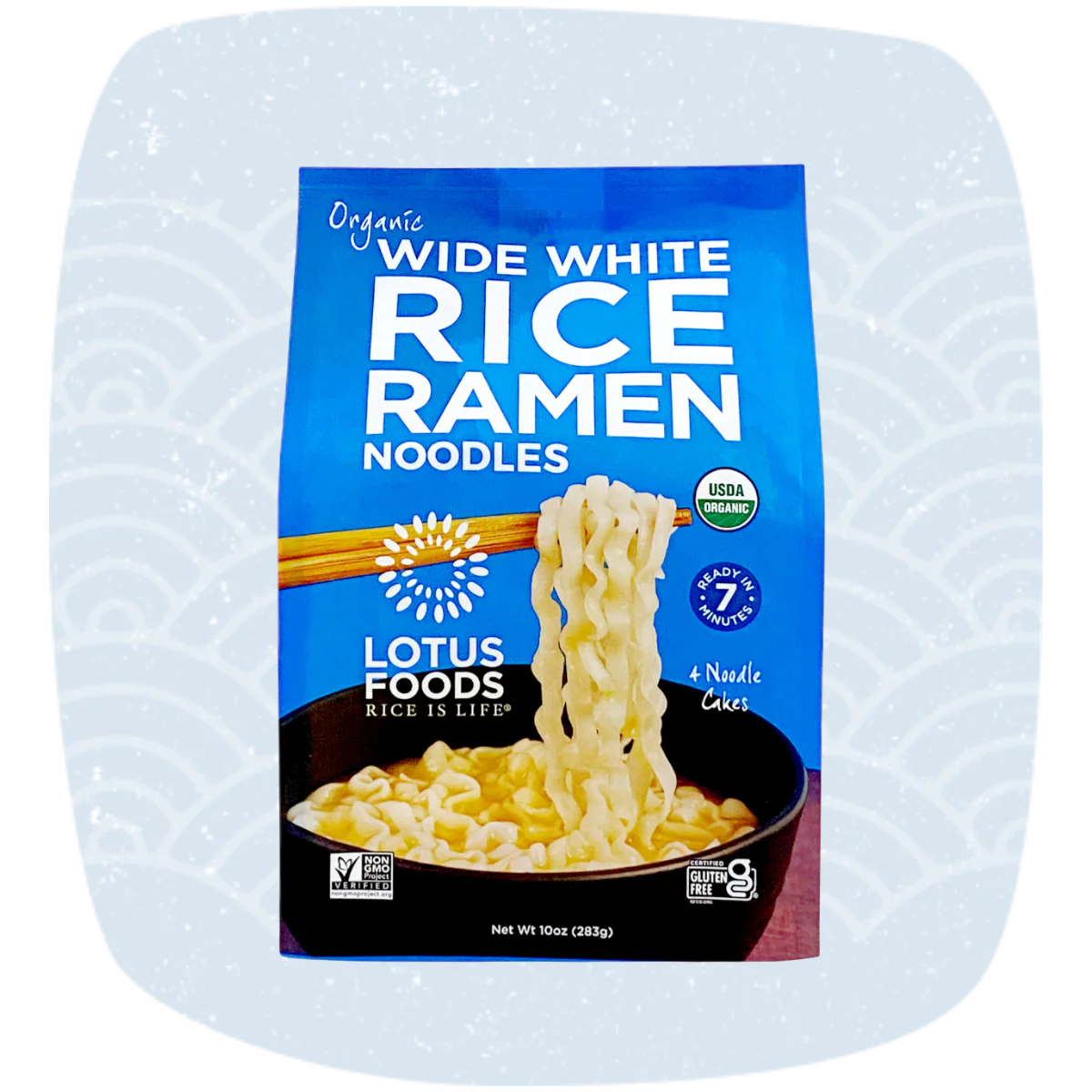
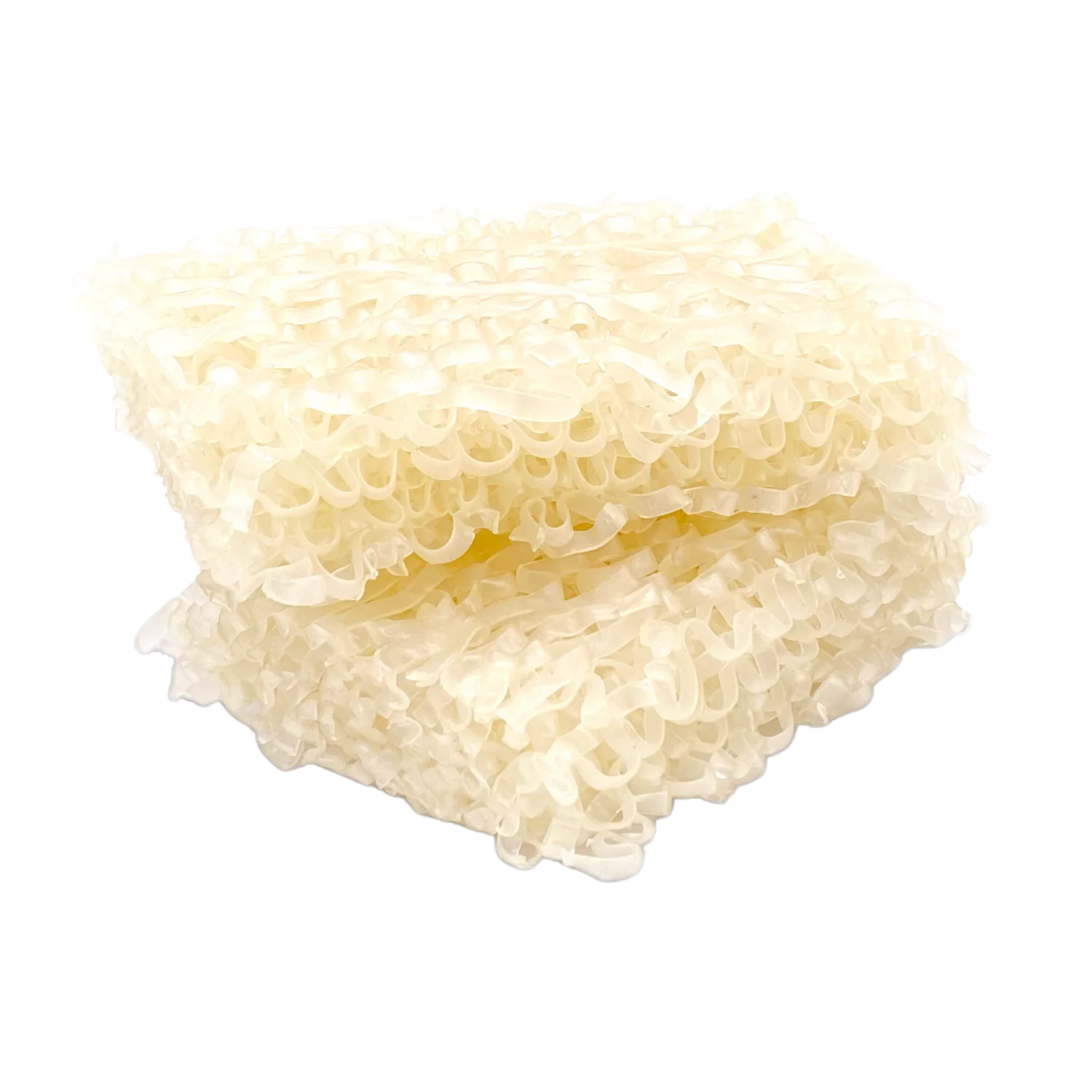
Wheat pasta has dominated Western kitchens for so long that most people assume it’s the only option. Rice noodles, mung bean noodles, buckwheat noodles, and chickpea pasta offer different textures, flavors, and nutritional profiles. They also expand options for people with gluten sensitivity or celiac disease. These alternatives aren’t inferior substitutes—they’re legitimate variations with their own advantages. Rice noodles are light and delicate, perfect for certain Asian soups and stir-fries. Chickpea pasta is dense and satisfying, high in protein. Buckwheat noodles have nutty flavor. Lotus Foods offers authentic noodles and pastas sourced from traditional producers who’ve perfected these foods for centuries. Having these options in your pantry encourages cooking outside Western patterns. You cook Vietnamese pho instead of Italian pasta. You try Thai green curry with rice noodles instead of cream sauce over wheat pasta. These aren’t substitutions—they’re different meals that might taste better and definitely provide different nutritional profiles. The way different noodles feel in your mouth affects satisfaction and how much you enjoy eating. This matters more than most people realize.
Building Better Pantries Through Intentional Sourcing

A well-stocked pantry determines what meals are actually possible to cook. Most pantries contain white rice, white pasta, canned beans in tomato sauce, and not much else. This severely limits cooking options. A more diverse pantry containing heritage grains, varied legumes, and alternative noodles opens up entire cuisines that aren’t accessible otherwise. The investment in better ingredients pays dividends through better meals. You cook more because more foods are possible. You enjoy cooking more because results are more interesting. Sourcing from Lotus Foods ensures authenticity—these are real foods used in real cuisines, not formulated approximations. This matters for flavor and for cultural respect. You’re learning from genuine food traditions rather than simplified Western versions. The taste difference is immediately obvious when you cook with authentic ingredients. Broths made with properly sourced legumes taste richer. Grains cook with better texture. Noodles have flavor that wheat noodles don’t offer. These differences accumulate across every meal you cook.
Health Benefits Beyond the Obvious
Plant-based diets built on legumes, whole grains, and vegetables deliver superior health outcomes compared to diets centered on processed foods and animal products. But this only works when plant-based meals are actually nutritious and satisfying. Meals built on authentic plant foods from Lotus Foods deliver both. You get the nutritional benefits of whole grains and legumes without the boredom and hunger that makes many people abandon plant-based eating. Better taste means you’re more likely to actually maintain the diet. Better nutrition means you feel better. The combination is sustainable in ways that restrictive diets aren’t. Most people who try extreme plant-based diets fail because the food isn’t satisfying. They’re eating low-quality versions of plant foods that taste worse and provide less nutrition than what they replaced. Starting with quality ingredients changes the entire experience. You’re not sacrificing—you’re upgrading to foods that genuinely taste better.
Expand Your Cooking Horizons
- Stock your pantry with heritage grains—brown rice, black rice, teff—that offer superior flavor and nutrition compared to white rice.
- Explore legume variety beyond canned beans—red lentils, black lentils, chickpeas, and black-eyed peas each have distinct flavors and uses.
- Discover noodle alternatives like rice noodles, mung bean noodles, and chickpea pasta that open new cuisines and offer different nutritional profiles.
- Build meals around plant foods using traditional preparation methods that have been refined across centuries in Asian kitchens.
- Cook more frequently and more enjoyably when quality ingredients make every meal worth the effort.
Transform Your Kitchen Through Better Ingredients

Your pantry determines what meals you’re actually able to cook. Stocking it with quality plant-based ingredients from authentic sources opens entire food traditions. The result is better health, better taste, and the genuine enjoyment of cooking rather than viewing it as obligatory.