

Share This Article
Chronic pain affects millions of people daily, limiting activity, reducing quality of life, and forcing countless individuals into pain management approaches that provide only temporary relief. Traditional options—physical therapy, medications, injections—address symptoms without solving underlying tissue damage. Surgical interventions carry risks and recovery periods. Many people feel trapped cycling through treatments that help temporarily but ultimately fail to deliver lasting improvement. Yet advances in therapeutic laser technology offer genuinely different approach. Rather than masking pain or forcing tissue restructuring through invasive procedures, modern laser therapy stimulates natural healing processes, enabling your body to repair damage and eliminate chronic pain at the source. MATELASER’s therapeutic systems represent this technology frontier, providing clinicians and wellness practitioners with advanced tools enabling patients to achieve lasting pain relief and functional recovery.
Why Chronic Pain Persists and Traditional Treatment Often Fails
Chronic pain results from tissue damage—muscle strains, joint injuries, nerve inflammation, or degenerative changes in cartilage or disc material. When acute injury occurs, natural healing processes should repair damage within weeks to months. Yet in many cases, healing stalls. Inflammation persists. Scar tissue forms incompletely. The tissue never fully recovers its original strength and function. Result is chronic pain continuing indefinitely despite the original injury being months or years past.
Traditional pain management addresses this problem inadequately. Medications mask pain signals without healing underlying tissue. Physical therapy strengthens muscles around damaged areas but cannot repair tissue directly. Injections reduce inflammation temporarily but don’t stimulate healing. The result is symptom management without actual healing—pain returns when treatment effects wear off.
This endless cycle of incomplete treatment creates frustration and resignation. Many people accept chronic pain as permanent rather than understanding it’s actually untreated underlying tissue damage. They’re not refusing treatment; they’re simply approaching damage with tools inadequate to stimulate genuine healing.
How Laser Therapy Actually Works: Stimulating Natural Healing at the Cellular Level
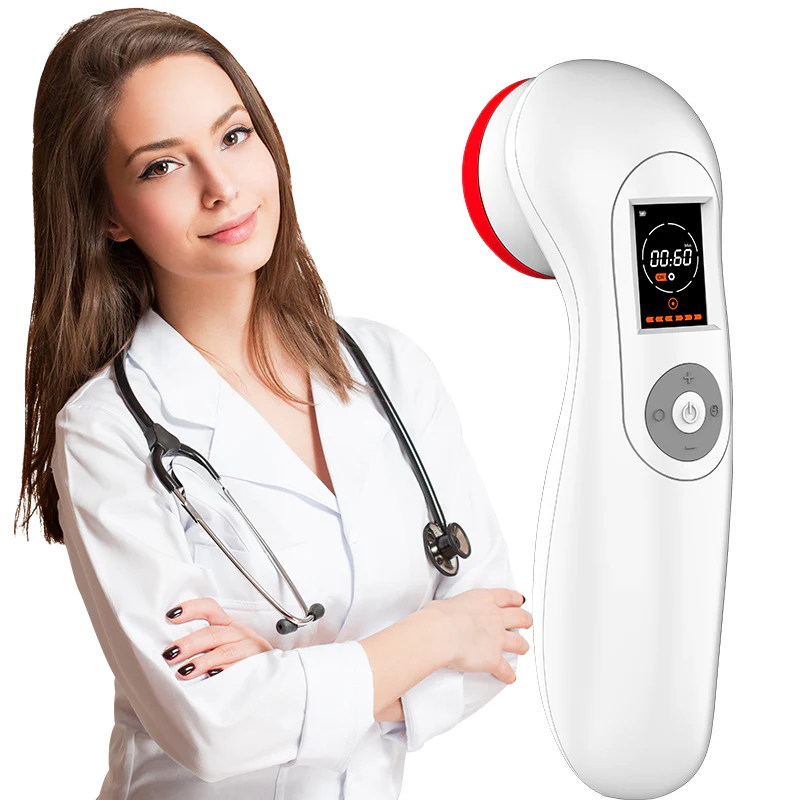
Therapeutic laser technology works through principles fundamentally different from traditional approaches. Rather than forcing physical change or masking symptoms, lasers stimulate cellular energy production. Light energy penetrates tissue, absorbed by mitochondria within cells. This absorption stimulates ATP production—the cellular energy molecule powering all biological processes.
Enhanced ATP production triggers multiple healing responses. Damaged cells gain energy to repair themselves. Inflammatory markers decrease as cells regain function. Circulation increases as capillaries expand responding to increased metabolic demand. Collagen deposition increases, enabling scar tissue maturation and tissue strengthening. All these responses occur naturally—your body’s own healing processes operating optimally when provided adequate cellular energy.
MATELASER systems deliver precisely calibrated light penetrating to tissue depths where damage actually exists. Rather than surface treatment, therapeutic lasers reach deep tissue inflammation and damage others cannot access, enabling healing throughout the entire affected area.
Different Wavelengths for Different Healing Requirements
Therapeutic laser systems use specific wavelengths optimized for different clinical applications. Lower wavelengths penetrate more superficial tissue, ideal for treating surface inflammation, wounds, or shallow joint issues. Mid-range wavelengths reach deeper structures—muscles, tendons, ligaments supporting joints. Longer wavelengths penetrate deepest, reaching spine, deep nerve structures, and bone.
Effective treatment requires matching wavelength to the tissue depth and type needing healing. Treating knee ligament damage requires different wavelengths than treating back pain originating in spinal discs. MATELASER systems with adjustable wavelengths enable practitioners to customize treatment to individual patient anatomy and injury characteristics, ensuring light reaches precisely the tissues requiring stimulation.
Clinical Evidence Supporting Laser Therapy Effectiveness
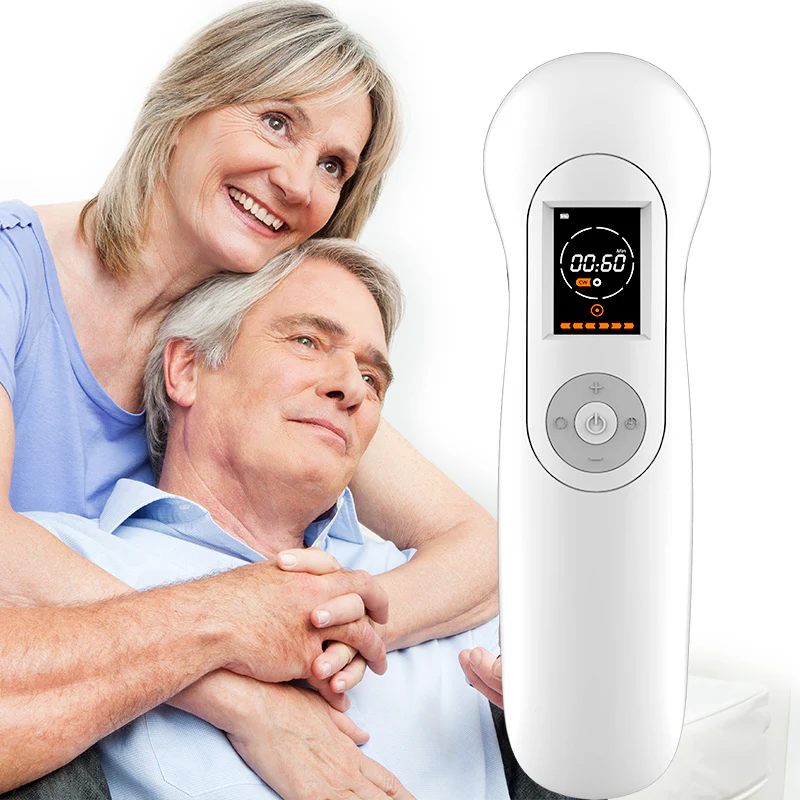
Therapeutic laser technology isn’t experimental—decades of clinical research document effectiveness across multiple pain conditions. Studies consistently show superior outcomes compared to traditional physical therapy alone, particularly for chronic conditions resistant to other treatment. Athletes recovering from injury, patients with arthritis, individuals with neuropathic pain—across diverse applications, laser therapy demonstrates measurable improvement in pain, function, and tissue healing.
Evidence particularly strong for conditions traditionally difficult to treat. Plantar fasciitis, frozen shoulder, knee osteoarthritis, chronic low back pain—these conditions showing modest response to conventional treatment show significant improvement with laser therapy. The reason is clear: traditional approaches don’t stimulate tissue healing, while laser therapy directly addresses the tissue damage actually causing pain.
MATELASER systems leverage this research, delivering evidence-based treatment protocols developed through years of clinical refinement.
Pain Relief Without Medication Dependency
Many chronic pain patients become dependent on pain medications simply due to lack of better alternatives. Opioid medications carry addiction risks and side effects. Non-steroidal anti-inflammatory drugs cause gastrointestinal complications and cardiovascular risks with extended use. Muscle relaxants cause cognitive side effects. Patients often feel trapped choosing between unmedicated pain or medication side effects.
Laser therapy offers escape from this dilemma. By actually stimulating tissue healing, it addresses the underlying problem causing pain rather than requiring lifelong medication to mask symptoms. Successfully treated patients reduce or eliminate pain medication entirely. They’re not managing pain anymore; they’re actually resolving the tissue damage causing it.
This medication-free approach makes laser therapy particularly valuable for patients unable to use standard pain medications due to allergies, other medical conditions, or preference for non-pharmacological solutions.
Rapid Recovery and Return to Activity
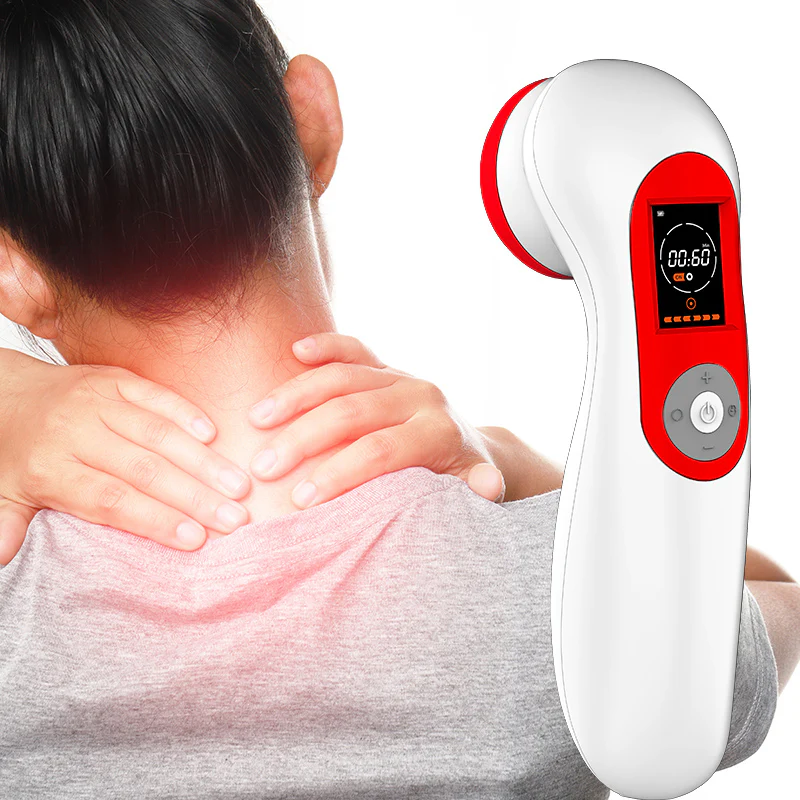
Traditional rehabilitation often requires months of physical therapy before returning to normal activities. Patients progress slowly—increasing activity gradually as tolerance improves. Return to sport or demanding work often takes months to years. Laser therapy accelerates this recovery by stimulating tissue healing directly rather than relying on gradual strength rebuilding alone.
Many patients report pain relief and improved function within days to weeks rather than months. This rapid improvement enables faster progression through rehabilitation—you can begin strengthening exercises and activity progression much sooner when pain and inflammation are controlled through tissue healing rather than medication masking.
Safe, Non-Invasive Treatment for Diverse Patient Populations
Laser therapy’s non-invasive nature makes it safe for diverse populations. Elderly patients tolerate treatment well without side effects impairing function. Individuals unable to tolerate physical therapy intensity can still benefit from laser stimulation while recovering strength. Pregnant patients with pregnancy-related pain can safely use laser therapy without risks of oral medications. Athletes wanting rapid recovery without introducing foreign substances can use laser therapy as core treatment.
Absence of side effects enables treatment frequency that traditional approaches cannot sustain. Where physical therapy might cause soreness limiting frequency to 2-3 times weekly, laser therapy can be delivered daily without adverse effects. This higher frequency accelerates healing.
Chronic and Acute Pain: Addressing Both Recovery Scenarios
- Laser therapy stimulates cellular ATP production, enabling tissue self-repair at the source of damage rather than masking pain symptoms.
- Adjustable wavelengths enable customized treatment reaching different tissue depths from surface wounds to deep spine structures.
- Decades of clinical research document effectiveness for conditions resistant to traditional physical therapy, particularly chronic pain conditions.
- Non-invasive mechanism eliminates medication dependency, enabling pain resolution without pharmacological side effects.
- Rapid pain relief and tissue healing enable faster functional recovery and return to normal activities.
- Safety across diverse patient populations—elderly, pregnant, athletes, chronically ill—enables broader application than many treatment alternatives.
Chronic pain doesn’t require permanent resignation. Tissue damage causing pain is addressable—not through endless symptom management but through approaches actually stimulating your body’s natural healing. MATELASER’s therapeutic systems represent the technology frontier in this healing revolution. Whether you’re recovering from acute injury or managing chronic pain that traditional treatment failed to resolve, advanced laser therapy offers genuinely different approach enabling lasting functional recovery rather than indefinite symptom management. The technology exists to actually heal; the only question is accessing practitioners equipped to deliver it.