
Share This Article
Creating a garden that looks stunning without demanding constant attention is the ambition of most gardeners. Yet finding plants that deliver genuine colour impact while asking little in return remains surprisingly difficult. Many high-performing perennials require staking, deadheading, or perfect soil conditions to thrive. Achillea millefolium ‘The Beacon’ breaks that pattern. This exceptional yarrow variety offers bold, long-lasting colour across the growing season, adapts readily to varied conditions, and virtually rewards neglect with vigorous growth. Whether you’re building a cottage-style planting scheme or want reliable perennial backbone in a wildlife garden, The Beacon from Gardening Express represents genuine value for thoughtful gardeners.
Why Achillea Millefolium ‘The Beacon’ Stands Apart
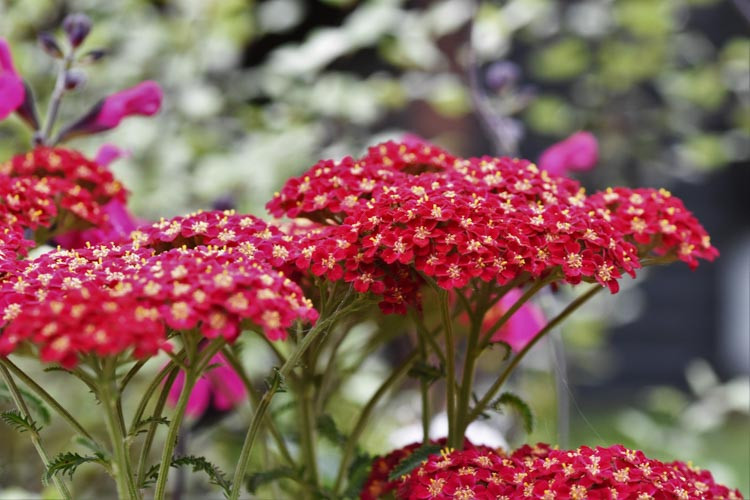
Yarrows as a group have earned a reputation for toughness, but not all varieties command visual attention the way this cultivar does. ‘The Beacon’ produces flat flower clusters—technically corymbs—in a striking burnt-orange to deep red tone that maintains intensity from early summer through autumn. The colour deepens slightly as flowers age, creating dynamic visual progression across the season rather than fading to pale washed-out hues typical of some yarrow types.
Height sits comfortably at 60 to 75 centimetres, making ‘The Beacon’ suitable for mid-border positioning where it can anchor planting schemes without obscuring shorter companions or requiring staking. The foliage is feathery and fine-textured, adding interest even before flowers emerge in late spring. This architectural quality means the plant contributes to garden structure from early season onward, not just during its flowering window.
What genuinely separates this variety is its durability. Unlike some ornamental perennials that suffer in clay soil, poor drainage, or dry summers, Achillea millefolium ‘The Beacon’ adapts readily to most garden situations. It thrives in full sun, tolerates afternoon shade in hotter climates, handles poor soil with equanimity, and remains resistant to pest and disease pressure that troubles fussier choices.
Planting and Establishment for Long-Term Success
Getting ‘The Beacon’ established properly sets the foundation for years of effortless performance. Yarrows prefer well-drained soil; in heavy clay gardens, amending planting holes with grit or sharp sand improves drainage and reduces risk of root rot during wet winters. The plant is drought-tolerant once rooted, but regular watering during the first growing season encourages deep establishment.
Spacing matters for air circulation and mature size. Plant at 45 to 60 centimetre intervals, allowing room for the plant to reach its full bushy form without crowding neighbours. Yarrows benefit from this spacing because it reduces fungal disease risk and allows the plant’s natural spreading habit to work unimpeded. In smaller gardens where tight spacing is necessary, Gardening Express stock often includes younger specimens that establish quickly within constraints.
Mulching around newly planted yarrows helps suppress competing weeds while the plant settles. Once established—typically by the second growing season—this variety is vigorous enough to outcompete most weeds naturally. The feathery foliage creates dense cover at ground level, making subsequent weeding minimal.
Seasonal Management and Deadheading Strategy
One of the genuine pleasures of growing ‘The Beacon’ is how little intervention it requires. Unlike some perennials with rigid deadheading schedules, this yarrow responds well to flexible approaches. Removing spent flower heads encourages continued blooming and promotes bushier growth; however, leaving some flowers to develop seed heads extends colour interest into autumn and provides food for beneficial insects during leaner months.
A middle approach works beautifully: deadhead the main flush of flowers in mid-summer, which triggers a secondary bloom cycle lasting through September. Then stop deadheading in late summer, allowing remaining flowers to mature, dry naturally, and develop architectural seed heads valued in winter gardens. This strategy maximizes flower production without becoming a chore.
Foliage remains attractive through most winters, though hard frosts can blacken leaves temporarily. Cutting plants back to 10 to 15 centimetres in early spring, just as new growth emerges, maintains compact form and removes any winter-damaged growth. This light pruning takes minutes and keeps plants rejuvenated for another season’s performance.
Companion Planting and Design Integration

The warm burnt-orange tones of ‘The Beacon’ partner beautifully with soft yellows, creams, and silver foliage plants. Agapanthus, tall ornamental grasses, and cool-toned salvias create striking textural contrasts while allowing the yarrow’s colour intensity to anchor compositions. For cottage-garden aesthetics, combining The Beacon with traditional companions like roses, delphiniums, and foxgloves creates layered, romantic planting schemes.
In wildlife gardens, yarrows are valuable for attracting butterflies, bees, and other pollinators throughout the season. The flat flower clusters provide stable landing platforms for insects, and the extended flowering period ensures consistent nectar availability during mid-season gaps when other plants are between flushes.
The feathery foliage is also excellent for dried-flower arrangements. Cutting stems in late summer when flowers have fully developed and allowing them to dry naturally produces long-lasting material for winter arrangements and crafting projects.
Resilience to Pests, Diseases, and Difficult Conditions
Gardeners moving to new properties often inherit challenging conditions—exposed windy sites, heavy clay, poor drainage, or neglected borders. Achillea millefolium ‘The Beacon’ thrives where other perennials fail, making it invaluable for these situations. Wind tolerance means it performs admirably in exposed coastal gardens and exposed urban locations. Heavy soils, if amended modestly at planting time, present no lasting obstacle to establishment and vigorous growth.
Pest pressure is minimal. Slugs and snails rarely target the tough, unpalatable foliage. Powdery mildew occasionally appears on overcrowded plants in humid summers, but is easily managed through deadheading and promoting air circulation. Genuine disease problems are unusual, making yarrow a genuinely low-maintenance choice compared to perennials requiring regular preventative spraying.
Extending Colour Through Seasons and Years
Established plants multiply reliably, developing expanding clumps as years progress. Every three to four seasons, dividing plants in early spring refreshes vigour, increases stock for new garden areas, and prevents overcrowding. Division is straightforward: dig the entire plant, pull or cut the clump into sections with roots attached, and replant at original depth in prepared soil.
Because ‘The Beacon’ flowers prolifically and reliably, it becomes foundational to long-term garden structure. Year after year, gardeners know these plants will deliver consistent colour, whether seasons are dry or wet, hot or cool. This predictability is invaluable for building coherent garden designs that perform across variable growing conditions.
Final Word
- Burnt-orange to deep red colour persists from early summer through autumn, providing reliable, long-lasting visual interest.
- Minimal deadheading required; flexible management allows both continuous blooming and winter seed-head interest depending on preference.
- Drought-tolerant, well-drained-soil adapted, pest and disease resistant, making it genuinely low-maintenance for most gardeners.
- Feathery foliage adds textural interest, provides architectural garden structure, and works beautifully in dried arrangements.
- Hardy perennial that divides easily, multiplies reliably, and improves with age rather than declining as many ornamentals do.
Gardens succeed when plants and gardeners align their expectations. ‘The Beacon’ asks little and delivers generously. For anyone seeking vibrant, reliable perennial colour without constant intervention, this achillea is exactly the choice worth making.