
Share This Article
Foot care has a way of becoming part of everyday life: the shoes that feel fine in the morning may be less comfortable after a long shift, a day of sightseeing, or several hours on your feet. For podiatry professionals, choosing supplies can involve an even wider checklist, from treatment room essentials to materials for making custom orthoses. Algeos serves both sides of that world, with products for foot care, orthotics, podiatry, physiotherapy, and rehabilitation.
Key points
- Shop categories include insoles, orthotic materials, podiatry supplies, and rehabilitation equipment.
- Insole styles vary in shape, length, density, and intended use, so there is no single option that suits everyone.
- Professionals can find clinic consumables, instruments, dressings, and materials for orthotic manufacture.
- Rehabilitation and physiotherapy products include equipment for exercise, movement, and recovery routines.
- People with persistent foot discomfort, diabetes, or a diagnosed condition should ask a qualified clinician about product suitability.
Insoles for different needs
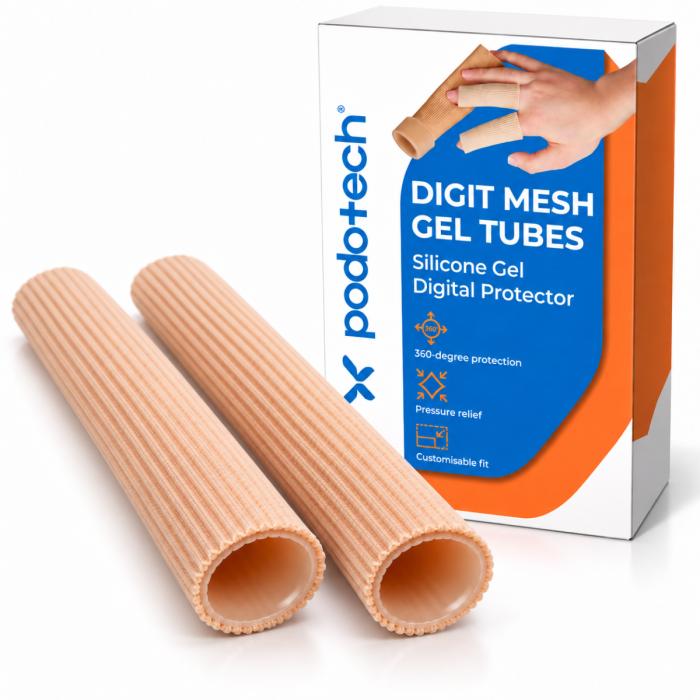
Insoles are among the most familiar products in the foot care aisle, but the category is more varied than a simple choice between “soft” and “firm.” The range at Algeos includes arch supports, cushioning insoles, gel options, diabetic insoles, semi-bespoke styles, and products intended for particular foot care needs. Some products are designed for use in everyday footwear, while others are aimed at clinical or professional settings. The company’s product listings describe differences in shape, material, length, and density, all of which can affect how an insole fits into a shoe and feels underfoot.
That variety is useful, but it also means that shopping by product name alone may not be enough. A person looking for everyday cushioning may have different requirements from someone who has been assessed by a podiatrist and advised to use a particular type of support. A comfortable fit depends on the shoe, foot shape, activity, and the reason for choosing an insole. If a product is prescribed or recommended by a clinician, it makes sense to check the product’s description and sizing carefully before ordering.
For practitioners, the assortment includes ready-made products that can suit different clinical preferences and patient needs. Some insoles may be trimmed or adjusted for a better fit, while others are supplied in set shapes and sizes. The product page is a useful place to check the available dimensions, materials, and intended use. Anyone with ongoing pain, a diagnosed foot condition, or a need for pressure management should seek individual advice rather than assuming that a general purpose insole will address the issue.
Orthotic materials for professional work
Ready-made insoles are only one part of orthotic care. The materials used to create or modify custom devices are another important product area. Algeos lists materials including EVA, PORON, thermoplastic sheets, and carbon composites. These materials have different properties and can be selected by professionals according to the design and use of an orthotic device. The company also offers products for orthotic therapy that cover a broader process, from assessment and device selection through to rehabilitation.
For a clinic or orthotic workshop, having choices in thickness, firmness, and material type helps support a range of fabrication approaches. It also means buyers should pay attention to technical descriptions and purchase the materials suited to their equipment and working methods. Practitioners can use product details to compare options, while new buyers may want to confirm compatibility with their intended manufacturing process before adding items to a cart.
Podiatry supplies and treatment room essentials
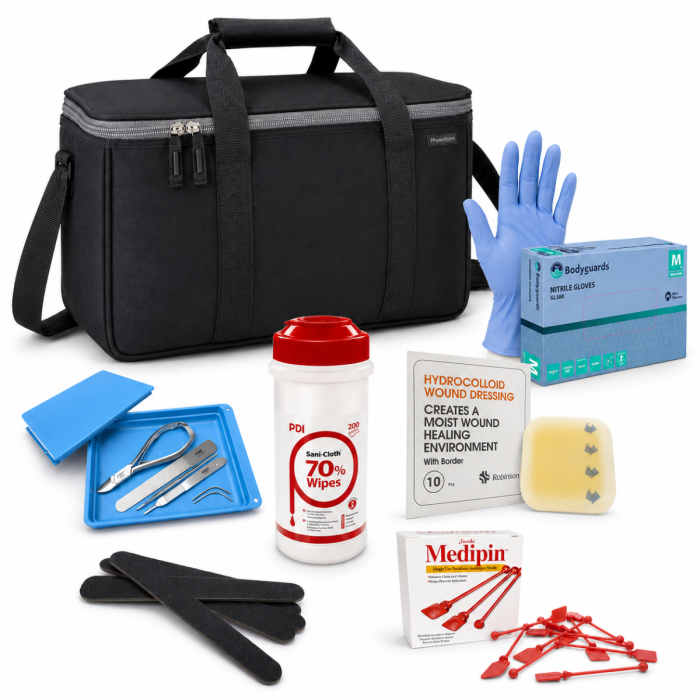
A well-stocked treatment room relies on more than a chair and a good light. Clinics need the everyday supplies that help keep appointments organized, from dressings and hygiene products to instruments and accessories. The professional range at Algeos includes podiatry instruments, blades, nail surgery tools, wound care items, drill accessories, and other clinic supplies. These products are intended for professional use, so practitioners should follow applicable training, hygiene, and infection control procedures when selecting and using them.

The breadth of the catalogue can help practices source multiple kinds of supplies from one specialist retailer. It can also make routine replenishment easier: a clinic can review frequently used consumables alongside equipment and specialist items, then plan purchases around its own workload and stock levels. For products that have specific standards or professional handling requirements, buyers should review the product information and local guidance before use.
Foot care products also include options for people who need additional support in their shoes. That might mean cushioning, an insole chosen after an assessment, or a product intended to help reduce pressure in a particular area. These are not interchangeable needs. People with diabetes, wounds, reduced sensation, or significant foot pain should get advice from a qualified health professional before choosing products for sensitive feet.
Rehabilitation and physiotherapy equipment
Foot and lower limb care can involve movement and exercise as well as footwear and orthoses. The rehabilitation and physiotherapy categories at Algeos include exercise balls, foam rollers, gym mats, and other accessories. Such equipment can be used in a range of professional and home exercise settings, depending on the item and the programme being followed. algeos.com
A foam roller, for example, is a compact piece of equipment that can be stored between sessions, while a mat can provide a more comfortable surface for floor based movement. Exercise balls and rehabilitation accessories can support different activities, though the right product depends on the user’s needs and the instructions of their clinician or coach. It is sensible to check dimensions, material, weight limits, and care guidance before buying equipment for a clinic or home routine.
The most useful purchase is usually the product that fits the purpose, not simply the one with the most features. A practitioner may prioritize durability and ease of cleaning, while an individual may look for straightforward storage and a comfortable surface. Comparing product details before ordering helps set realistic expectations.
Pros and considerations
The broad range is a clear advantage for podiatry practices, orthotic professionals, and customers looking across several foot care and rehabilitation categories. Buyers can find products ranging from insoles and orthotic materials to treatment room consumables and exercise accessories. The product descriptions also provide a starting point for comparing intended use and specifications.
The main consideration is that specialist products are not automatically suitable for every person or clinic. Insole design, orthotic material, and clinical consumables all have specific contexts of use. Some items are primarily intended for qualified professionals, and people seeking help for a medical concern should not treat a product listing as a substitute for an assessment. Checking sizes, compatibility, intended use, and care instructions before purchase can make the selection process more practical.
Choosing products with confidence
A useful approach is to begin with the task at hand. For everyday footwear, consider shoe space, comfort, and the kind of support recommended. For a clinic, list the supplies that need routine replenishment and the instruments or materials required for the services offered. For rehabilitation equipment, think about where it will be used, who will use it, and whether a clinician has suggested particular features.
With its mix of foot care, podiatry, orthotic, and rehabilitation products, Algeos gives buyers a specialist catalogue to explore. The best results come from matching a product to a clear need, checking the details closely, and involving a qualified professional when a health condition or persistent discomfort is part of the picture.
