
Share This Article
Shopping for Oxford shirts and casual button-ups sounds simple until the order arrives and nothing sits right. Many men’s shirt fit mistakes trace back to confusing fabric names, fit labels, and care instructions rather than actual body shape. Understanding what separates an Oxford weave from a twill, or what “slim” actually means on a label, prevents a wardrobe full of shirts that never get worn.
Understanding Oxford Cloth: What Makes the Brewer Different from Cotton Twill Shirts
Oxford cloth and cotton twill are often treated as interchangeable, but they behave differently on the body. The Brewer Slim Fit Oxford Shirt from Farah is built from 100% organic cotton Oxford fabrication, a basketweave construction that gives it a slightly textured, durable surface. Twill and corduroy pieces, such as the Ali Regular Fit Shirt or the Maverick Regular Fit Cord Shirt’s 300 GSM corduroy base with its classic 11-wale finish, drape differently, carry more visible weight than a lighter Oxford weave, and hold creases longer between wears.
Assuming all cotton shirts perform the same way is one of the more common men’s shirt fit mistakes, because fabric structure changes how a shirt creases, breathes, and holds its shape through a working day. Farah describes the Brewer as the cornerstone of its lineup, built on established British shirting construction. That distinction matters when deciding between a shirt meant for repeated office wear and one built for a single textured layer, like the Shane Relaxed Fit Textured Shirt in its 224 GSM organic cotton.
Fit Terminology Confusion: Why Slim Fit, Regular Fit, and Relaxed Fit Mean Different Things
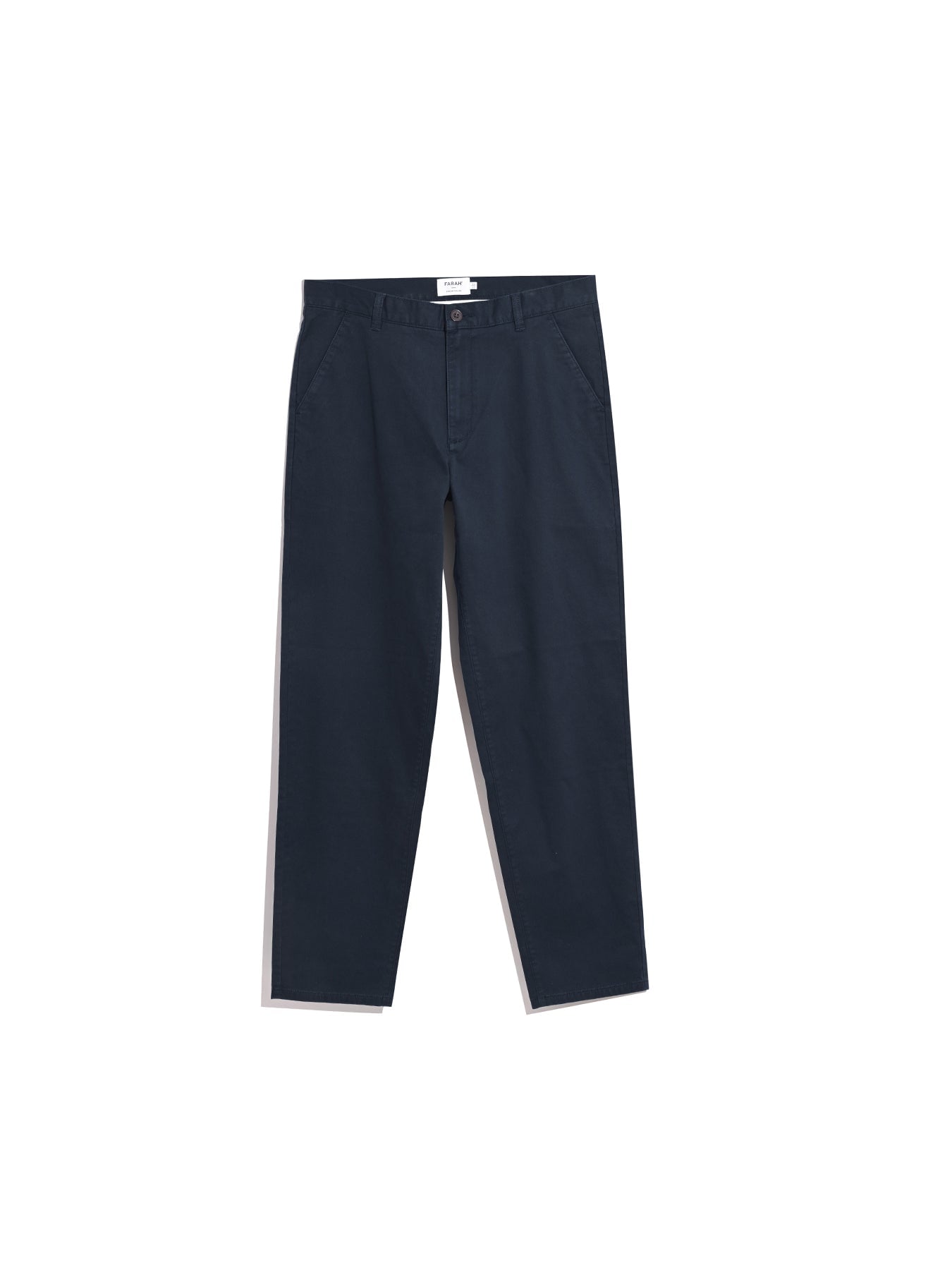
Fit names on a label rarely mean the same thing across brands, and that inconsistency fuels plenty of shirt fit mistakes. Farah‘s own product pages spell this out directly. The Brewer Slim Fit Oxford Shirt is noted as fitting closer to the body and is described as fitting tight, with a direct recommendation to size up when caught between sizes.
Regular fit options, such as the Maverick Regular Fit Cord Shirt and the Ali Regular Fit Shirt, are cut with more room through the body, while relaxed fit styles like the Shane Relaxed Fit Textured Shirt and the Poplar Knitted Button Front Polo Shirt go further still with a looser, more casual silhouette. Treating these three labels as roughly equivalent is one of the fastest ways to end up with a shirt that pulls across the chest or hangs too loose at the waist.
The Misconception About Short Sleeves Versus Long Sleeves for Seasonal Dressing

Short sleeve shirts are frequently dismissed as purely warm-weather pieces, but that assumption oversimplifies how Oxford and basketweave fabrics actually perform. The Brewer Slim Fit Short Sleeve Oxford Shirt carries the same 100% organic cotton Oxford weave as its long sleeve counterpart, just with shortened sleeves and the same button-down collar. Layering changes the equation entirely, and a short sleeve Oxford can sit under an overshirt just as easily as a long sleeve version.
The Ernest Regular Fit Printed Short Sleeve Shirt uses a basket weave fabrication and a one-piece collar, a construction built for its seasonal print rather than beach-only wear. Choosing sleeve length by season alone, without weighing fabric weight or layering plans, counts as another avoidable shirt fit mistake.
Organic Cotton Claims: Separating Marketing from Actual Durability and Comfort
Organic cotton appears across much of the current range, from the Brewer Oxford shirts to the Danny Regular Fit Organic Cotton T-Shirt and the Haise Graphic T-Shirt in its 220 GSM jersey. The term describes how the cotton was grown, not a guaranteed outcome in how the finished garment wears over time. Reading the specific fabric weight listed on a product page gives a clearer sense of structure than the word “organic” on its own.
For example, the Shane Textured Shirt lists a substantial 224 GSM weight, while the Haise tee sits at 220 GSM. These numbers describe how dense the fabric is, which is a more concrete detail than a general sustainability claim. Treating “organic” as shorthand for higher quality without checking the stated weight or weave is one more place where buyers substitute marketing language for the real specification.
Checking Collar and Cuff Details on Farah Shirts Before Committing to a Purchase
Collar and cuff construction often gets overlooked in favour of colour or print, yet these details shape how a shirt can actually be worn. The Brewer Slim Fit Oxford Shirt features a button-down collar and constructed working cuffs, along with a traditional cut-and-sew button placket and a curved hem. The Brewer collection also spans regular and grandad collar options across its range, which changes how formal or relaxed the shirt reads.
Checking these specifics before purchase, rather than assuming every button-up shares identical collar hardware, helps avoid a mismatch between a shirt’s intended styling and how it actually gets worn day to day. On the brand’s own product listings, each page spells out collar type, cuff style, and hem shape individually, which removes much of the guesswork and limits men’s shirt fit mistakes tied to styling expectations.
Fabric Care Between Wears: Material-Specific Myths and Best Practices
Care instructions differ by fabric, and treating every shirt the same in the wash is where a lot of damage quietly happens. The Brewer Oxford range, the Maverick Cord Shirt, and the organic cotton t-shirts all list machine washable care, but weight and weave still affect how each piece should be handled. Checking the composition and care line on each product page matters more than guessing from the fabric name alone, since corduroy, twill, and Oxford weave do not respond to a wash cycle in the same way.
Assuming heavier fabric always means tougher fabric, or that organic cotton needs no particular attention, oversimplifies genuine fabric-specific care. The garment’s own care label remains the most reliable reference for protecting its structure over repeated wears.
- Ordering a slim fit shirt without checking the brand’s own sizing notes often leads to a tight fit through the chest and shoulders.
- Assuming organic cotton and standard cotton behave identically in the wash can shorten how well a shirt holds its shape.
- Picking a short sleeve shirt based on season alone ignores how fabric weight affects layering options.
- Overlooking collar style, such as button-down versus one-piece collar, can mismatch a shirt with its intended level of formality.
- Skipping the garment’s specific GSM or fabric weight listing makes it harder to judge how structured or lightweight a shirt will feel.
- Choosing between regular and relaxed fit without comparing the stated cut descriptions often results in either excess fabric or a too-snug silhouette.
Most men’s shirt fit mistakes come down to skipping the specific details listed on a product page in favour of general assumptions about fabric or fit. Reading the stated weight, collar type, and fit description for each shirt closes that gap before an order is placed.
