
Share This Article
Mobile gaming has produced countless hybrids, but few genres have grown as steadily as the mobile strategy RPG. These titles combine the long-term planning of a strategy game with the character-driven progression of a role-playing title. Hero Wars UK sits within this category, built around hero collection, team composition, and turn-based combat, where outcomes depend on preparation rather than fast reflexes or twitch controls.
What Are RPGs?
A mobile strategy RPG typically asks a player to assemble a roster of characters, each with distinct abilities, and arrange them into a workable formation. Unlike action RPGs, success depends less on manual skill and more on planning ahead of a fight. Battles often resolve through pre-set abilities, positioning, and stat growth rather than real-time input.
This structure appeals to players who prefer thinking through a problem over reacting quickly to one. Because outcomes are shaped by preparation, the genre rewards patience and repeated experimentation with different hero lineups. That emphasis on planning is what separates a RPG from simpler mobile action games.
Hero Recruitment and Team Building in Hero Wars
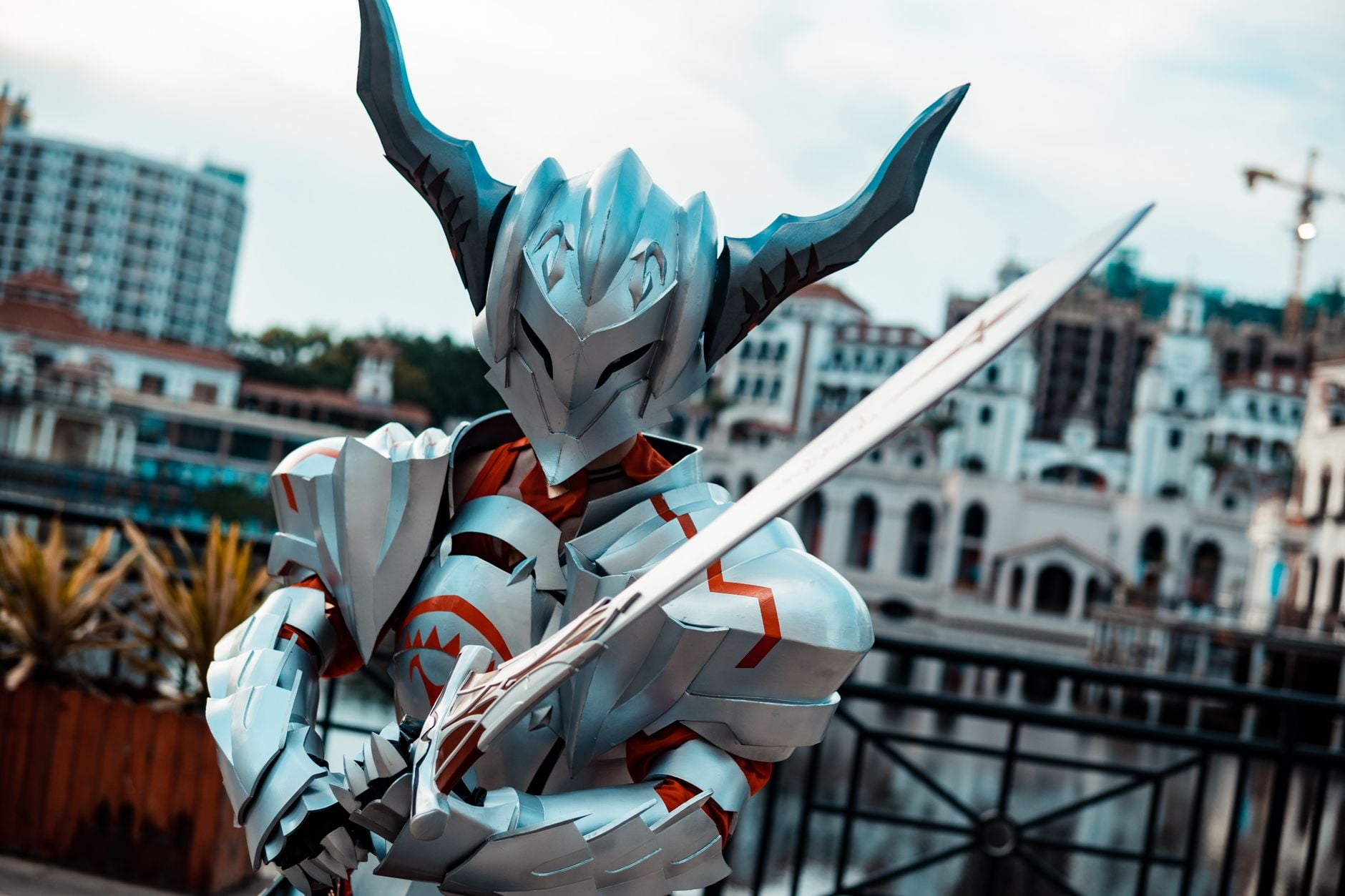
Hero Wars UK centres its early experience on collecting a growing cast of heroes, each belonging to a particular role such as support, tank, or damage dealer. Building an effective team means balancing these roles rather than simply picking the strongest individual character. As new heroes join a roster, the composition of a team can shift substantially.
Team building in this genre is rarely a one-time decision. Players often revisit their lineup as new heroes appear or as upcoming fights demand a different balance of abilities. This ongoing adjustment is a defining trait of hero-collection games more broadly, not just one title within the genre.
Turn-Based Combat and Battle Mechanics
Each hero in Hero Wars UK has unique skills that activate once enough energy or a turn condition is met, which shifts the strategic weight toward team setup rather than mid-battle control. As a result, the outcome of a fight is largely determined before it even begins. The sequence in which abilities trigger can matter as much as which heroes are chosen in the first place.
This approach is common across the genre because it lowers the barrier to entry while still rewarding deeper thinking. A player does not need fast reflexes to succeed, but a well-planned formation and ability sequencing still matter. That balance between accessibility and depth is part of why turn-based combat remains popular in mobile strategy RPG design.
Progression Systems and Leveling Up

Hero progression usually involves multiple layers, including experience levels, skill upgrades, and equipment improvements. In Hero Wars UK, heroes can be strengthened through several of these systems at once, which gives players more than one path toward a stronger roster. This layered progression is typical of the genre, since it extends long-term engagement beyond a single upgrade track.
Because so many systems interact, players often have to prioritise which heroes to invest in first. Spreading resources too thin can slow overall progress, while focusing on a smaller group tends to produce faster results. This kind of resource allocation decision is a recurring feature of role-playing games built around collection and growth.
Free-to-Play Model and Reward Structure in Hero Wars
Hero Wars UK follows a free-to-play model, meaning the core game can be accessed without an upfront payment. Rewards are typically distributed through completed missions, daily activities, and in-game events, giving players steady reasons to return. This reward cadence is a common structural choice across mobile strategy RPG titles, since it supports consistent play over time.
Early participation often comes with introductory rewards tied to a starting roster. These structures exist across the genre in various forms, though the specific pacing and reward types differ from one title to another. For instance, some games stagger rewards across several days, while others concentrate them in the earliest sessions.
- An onboarding sequence introduces core mechanics such as hero selection and formation setup.
- Hero collection expands gradually, giving players a growing pool of characters to experiment with.
- Completing early missions and tutorial stages typically unlocks a first set of in-game rewards.
- Daily login activities and timed events provide additional ways to earn resources after onboarding ends.
- Team formation tools let players test different hero combinations before committing to a long-term lineup.
Multiplayer Features and Community Gameplay
Beyond single-player progression, many RPGs include multiplayer or community-driven modes, such as guild-style groups or competitive rankings. These features give players a reason to compare progress and strategy choices with others. Hero Wars UK includes elements of this kind, positioning it alongside other titles in the genre that blend individual growth with shared competition.
Community features also tend to extend a game’s lifespan, since cooperative or competitive content gives experienced players new objectives beyond the main campaign. This is a common pattern across the mobile strategy RPG space, where ongoing social systems complement the solo progression loop.
Taken together, these systems show how one title can reflect the broader shape of its genre while still carving out its own identity.
