
Share This Article
Start With the Purpose of Each Room
Home fragrance works best when scent supports the way a room is used rather than competing for attention. A hallway may benefit from a clean first impression, a living room can carry a warmer or more textured fragrance and a bedroom often suits something softer. Candles Direct carries jar candles, wax melts, reed diffusers, room sprays and plug-in formats, so a household can choose different delivery methods while still keeping the overall fragrance plan coherent.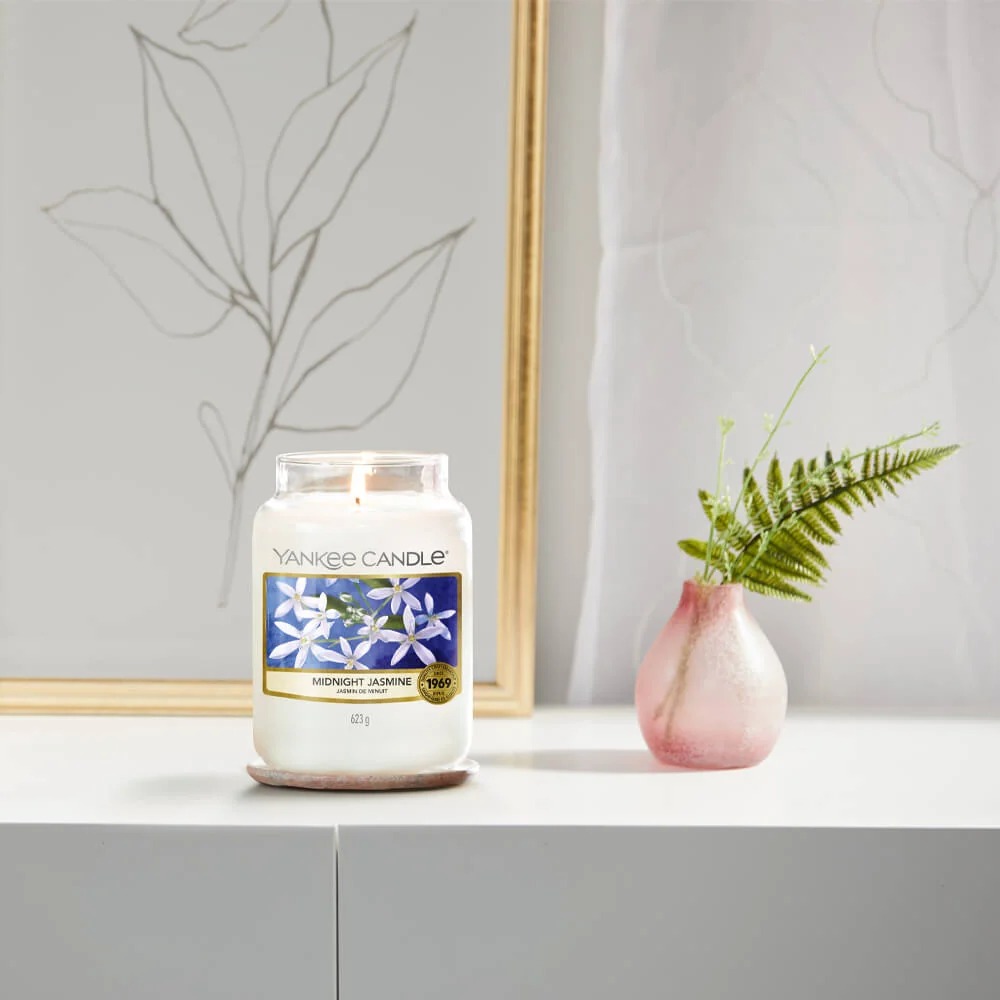
The first decision should be functional. A candle suits moments when someone is present and wants a visible flame, while a reed diffuser can provide a steadier background scent without daily lighting. A room spray is better for short bursts before guests arrive, and a plug-in format can be useful where consistent fragrance is preferred. Matching the product format to the room reduces the temptation to use several strong products at once.
Fragrance families should also be considered in relation to activity. Fresh, citrus or linen-style scents can feel appropriate in kitchens and entrance areas, while woody, amber or gourmand profiles may suit relaxed evening spaces. The goal is not to assign rigid rules but to avoid creating a home in which every doorway introduces an unrelated and equally intense scent.
Build Connections Between Fragrance Families
A simple scent plan usually has one or two repeating notes. A household might use a fresh citrus scent near the entrance, a softer floral in the living area and a related clean musk in the bedroom. Someone browsing Candles Direct can compare ranges from brands such as Yankee Candle, WoodWick, P.F. Candle Co. and Wax Lyrical while looking for shared notes rather than buying several fragrances only because each one smells appealing in isolation.
Testing should happen gradually. Scent perception changes after several minutes, and a fragrance that seems subtle in a shop can become much stronger in a small room. One product should be introduced first, then evaluated after the room has been closed and reopened. This gives a more realistic sense of diffusion than repeatedly smelling a candle at close range.
Placement matters as much as fragrance strength. Reed diffusers should sit where air movement can distribute scent gently, not directly beside open windows where fragrance disappears too quickly. Candles should remain on stable heat-resistant surfaces away from curtains, shelves and drafts. Room sprays should be used according to their instructions and never treated as a substitute for cleaning or ventilation.
Households can also use ventilation as part of fragrance control. Opening windows for a short period between different scent products helps reset the room and makes the next fragrance easier to judge. Soft furnishings can hold scent longer than hard surfaces, so a living room with curtains, rugs and upholstered furniture may need less product than a tiled kitchen. Guests may also perceive fragrance more strongly than residents who have become accustomed to it. For that reason, a subtle background level is usually more comfortable than a scent that is immediately obvious from every part of the room.
Checks for a Balanced Home Fragrance Plan
- One main fragrance should lead each room rather than several equally strong products competing in the same space.
- A Candles Direct candle should be used only while an adult is present and should follow the manufacturer instructions for wick care and burn time.
- Reed diffusers should be placed where spills are unlikely to damage painted, polished or porous surfaces.
- Rooms used by children or pets should be planned with extra attention to product placement, ventilation and household sensitivities.
- New scents should be introduced one at a time so the household can tell which fragrance is creating the final effect.
Keep the Routine Flexible Through the Year
A fragrance plan does not need to stay fixed. Warmer weather may make heavy sweet scents feel more noticeable, while cooler months can support richer woods, spices and resins. Candles Direct also groups products by fragrance family and occasion, which can help a household rotate seasonal choices without rebuilding the entire scent collection every few weeks.
Storage supports consistency. Spare candles and refills should remain in a cool, dry place away from direct sunlight and excessive heat. Products should stay labelled so a refill is not accidentally paired with the wrong diffuser. Older opened products should be used before new ones are added, particularly when a household likes to keep several seasonal options available.
The strongest home fragrance routine is selective rather than constant. A candle may be part of an evening ritual, a diffuser may quietly support a hallway and a spray may be reserved for occasional use. Candles Direct offers enough format variety to build those different roles, but the home will usually feel more polished when fragrance is edited carefully and allowed to fade naturally between spaces.