
Share This Article
A t-shirt is the most fundamental piece of clothing humans wear. It’s simple, accessible, and worn across every culture and context. Yet most people own t-shirts they feel uncomfortable in. Shirts that fit poorly, cling awkwardly, shrink after washing, or pill within months. The frustration reveals something important: a great t-shirt is actually a precision garment. The difference between a t-shirt that makes you feel great and one that makes you feel self-conscious is measurable—it’s in how fabric drapes on your specific body, how seams sit, how the neckline frames your face, and how material feels against skin. A t-shirt seems simple until you realize how few people own one that works perfectly. Finding one good t-shirt requires understanding fit, fabric, and construction details. Once you know what works on your body, finding replacements becomes straightforward. Most people never reach this point—they buy t-shirts randomly and accept inconsistent results. The professionals who always look effortlessly put-together often have a small collection of perfect t-shirts in their preferred colors and wear them constantly. They’ve solved the puzzle and stopped overthinking it. Understanding what makes a t-shirt actually work transforms your entire casual wardrobe.
Fit: Why Proportions Matter More Than Size Numbers
T-shirt sizing is notoriously inconsistent. A size large from one brand fits completely differently from another brand’s large. This inconsistency frustrates people into believing they can’t fit into standard sizes, when actually they just haven’t found the right proportions for their body. Fit has multiple components: chest width, shoulder seam placement, sleeve length, body length, and how the shirt drapes through the torso. A shirt with the perfect chest width but sleeves that hit mid-forearm instead of mid-bicep looks wrong on you regardless of quality. A shirt with correct sleeve length but a body that’s too long looks sloppy. A shirt cut too narrow through the chest pulls and restricts. A shirt cut too wide swallows your frame. The challenge is that fit only makes sense in relation to your specific body. Someone tall with long arms needs different proportions than someone short and compact. Someone with a curvy frame needs different shaping than someone straight-bodied. The solution isn’t forcing yourself into standard sizes, it’s finding brands or tailoring options that match your proportions. Mooyius t-shirts are designed with multiple body shapes in mind, acknowledging that standard sizing doesn’t serve everyone identically. Once you find proportions that work on your body, you can reliably repurchase that style.
Fabric Quality: The Difference Between Comfortable and Frustrating
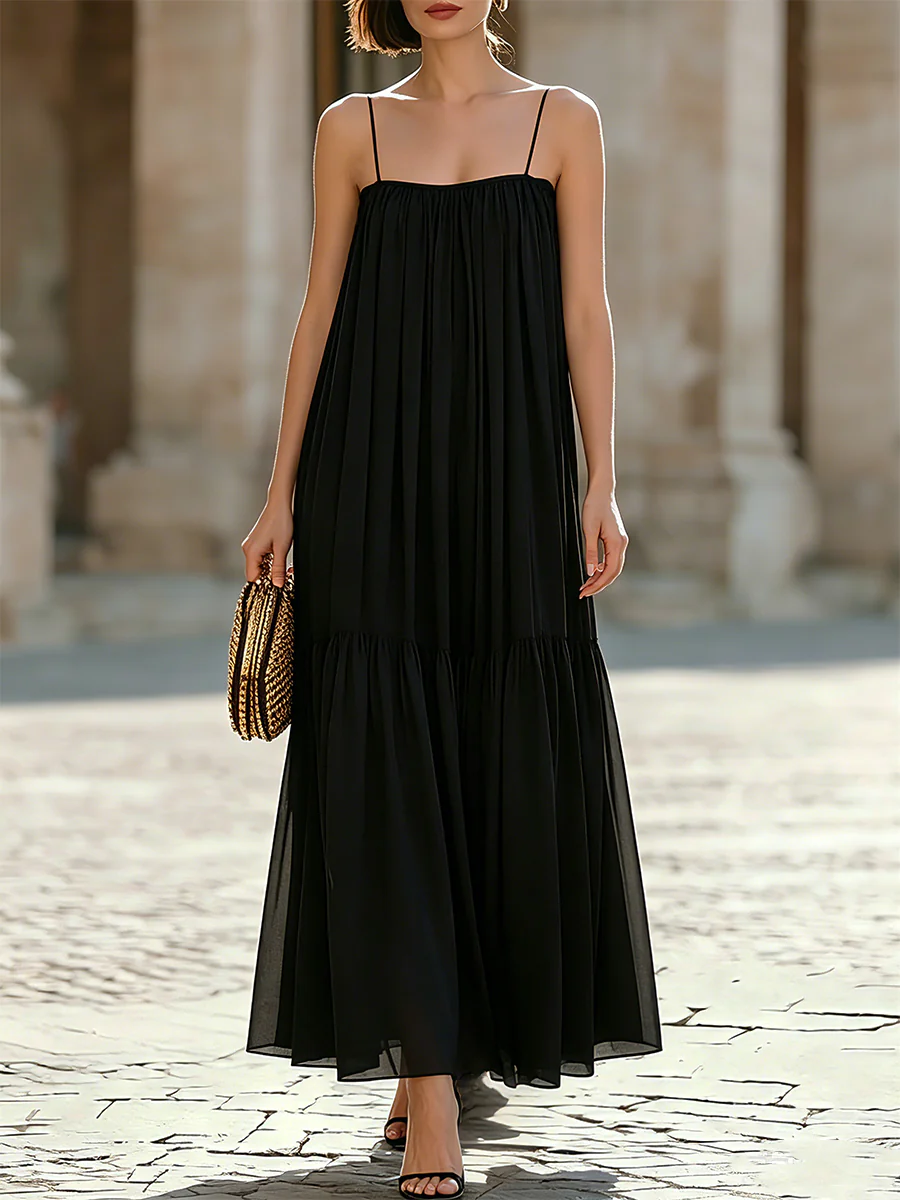
T-shirt fabric seems straightforward: cotton or cotton blend. But quality varies dramatically within that category. Poor-quality cotton feels rough initially and becomes rougher after washing. The fibers break down, pilling appears within weeks, and the shirt looks worn despite barely being used. Good-quality cotton feels soft initially and stays soft after 50+ washes. The fibers hold together, colors don’t fade excessively, and the shirt looks relatively new after a year of regular wear. The difference is fiber length and thread count. Long-staple cotton (like Pima or Egyptian cotton) creates softer, more durable fabric than short-staple cotton. Higher thread count creates tighter weave and stronger fabric. But quality also depends on how the fabric is finished. Sanforized cotton shrinks less during washing. Mercerized cotton has improved luster and dye absorption. Ring-spun cotton has less pilling than open-end spun. These details matter because they determine how the shirt feels and ages. A $15 t-shirt made from poor-quality cotton feels stiff and pilly within months. A $35 t-shirt made from quality cotton still feels soft and looks good after a year. The long-term cost per wear favors quality, especially when you’re buying something you’ll wear frequently. Quality t-shirts from Mooyius are constructed from fabric that maintains softness and appearance through dozens of washes, making them worth the investment.
Construction Details That Signal Durability
Construction quality determines whether a t-shirt lasts a year or five years. Several details reveal quality before you even try the shirt on. Check the seams, they should be straight, even, and secure. Crooked or loose seams indicate rushed production. Check the neckline, it should be reinforced with a stay tape that prevents stretching. Without reinforcement, the neckline progressively stretches and looks sloppy. Check the hem at the bottom, quality hems are evenly stitched and secure, not loose or puckered. Check the sleeves, they should be sewn smoothly without bunching at the armpit. Check the collar band, it should be stitched securely and sit flat. Quality collar bands maintain their shape; poor ones roll or bunch. Check the tag, it should be securely attached at the side seam, not loose or prone to irritation. Feel the seam allowances, they should be finished (hemmed or serged) to prevent fraying. Unfinished seams indicate budget construction. These details compound. A shirt with secure seams, reinforced neckline, and finished hem maintains its structure and appearance for years. A shirt with loose seams, weak reinforcement, and unfinished edges deteriorates quickly. Mooyius t-shirts show attention to construction details that keep them wearable season after season.
Color and Styling Versatility
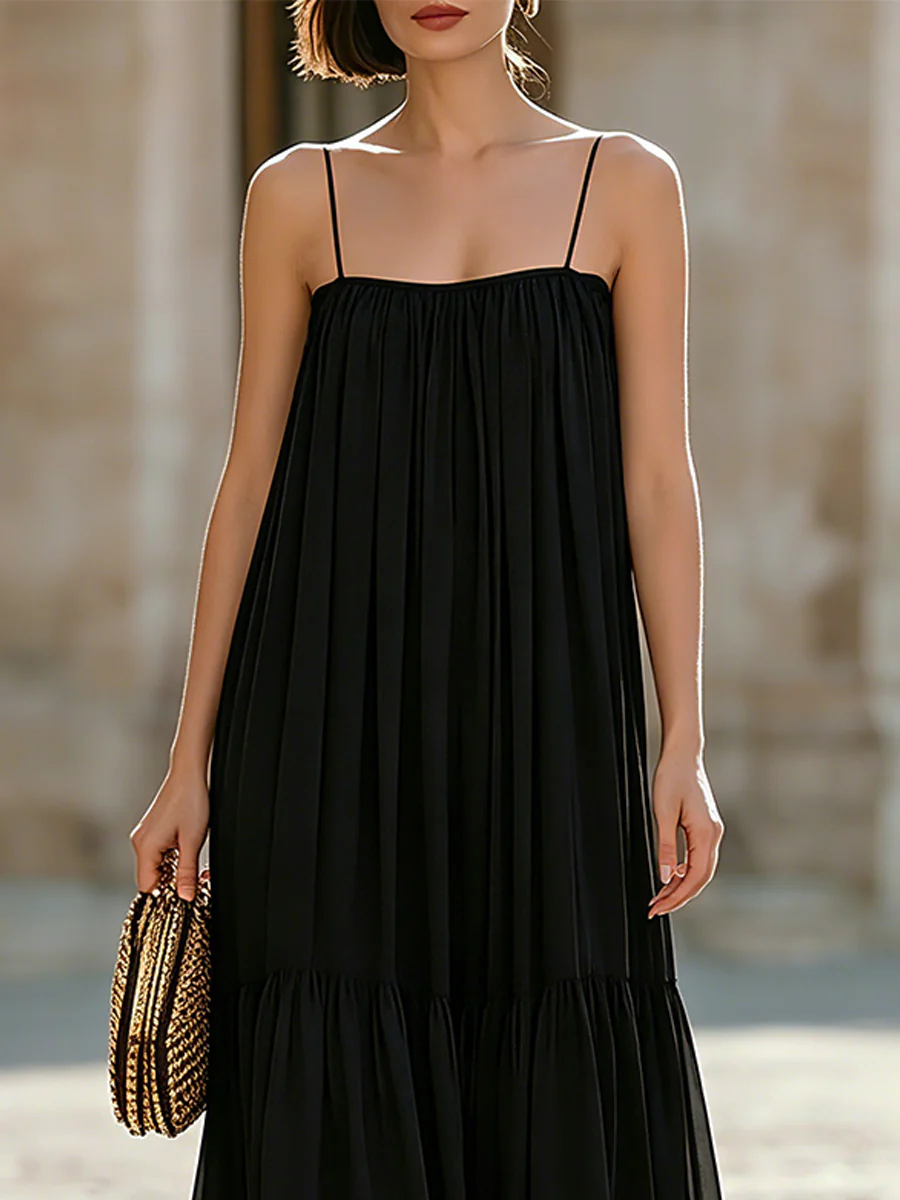
The most useful t-shirts are neutrals that work with everything else in your closet. Black, white, navy, gray, and earth tones coordinate easily and never look dated. Trendy colors (neon, pastels, seasonal trending shades) eventually feel outdated, leaving you with shirts you’re embarrassed to wear. This isn’t snobbery, it’s just how color trends work. Everyone who bought neon shirts in 2010 isn’t wearing them now. The t-shirts worth owning are the ones that work with your existing wardrobe and will still look appropriate in five years. Beyond color, fit works with layering possibilities. A t-shirt that fits perfectly on its own but pulls across the chest when layered under a jacket isn’t as useful. A t-shirt that’s slightly oversized looks intentional layered over a long-sleeve shirt but sloppy on its own. Understanding how your preferred t-shirt silhouette works in your actual life (alone, under jackets, under sweaters, layered with other pieces) determines which styles are actually useful versus which look good in isolation. Finding versatile t-shirt styles from Mooyius means identifying which silhouettes and colors actually work in your closet rather than buying what looks good on the hanger.
Care and Maintenance to Extend Lifespan
How you treat t-shirts determines how long they last. Proper washing is crucial. Washing inside out protects the color and reduces pilling. Using cool water instead of hot preserves color and prevents excessive shrinkage. Gentle cycles are better than aggressive cycles. Air drying is better than machine drying, which causes wear and shrinkage. If you must machine dry, low heat is better than high heat. Separating whites from colors prevents color bleeding. Using appropriate detergent amount (most people use too much) prevents buildup that makes fabric stiff. Avoiding bleach and fabric softener preserves fabric integrity. These practices seem like extra work until you realize they determine whether your favorite t-shirt stays comfortable for years or becomes unwearable within months. Someone who cares for t-shirts properly can wear the same shirt multiple times weekly for years. Someone who throws expensive t-shirts in hot water with regular detergent and high heat drying destroys them within months. Investing in quality t-shirts from Mooyius only makes sense if you’ll care for them appropriately.
Building a T-Shirt Collection That Actually Works
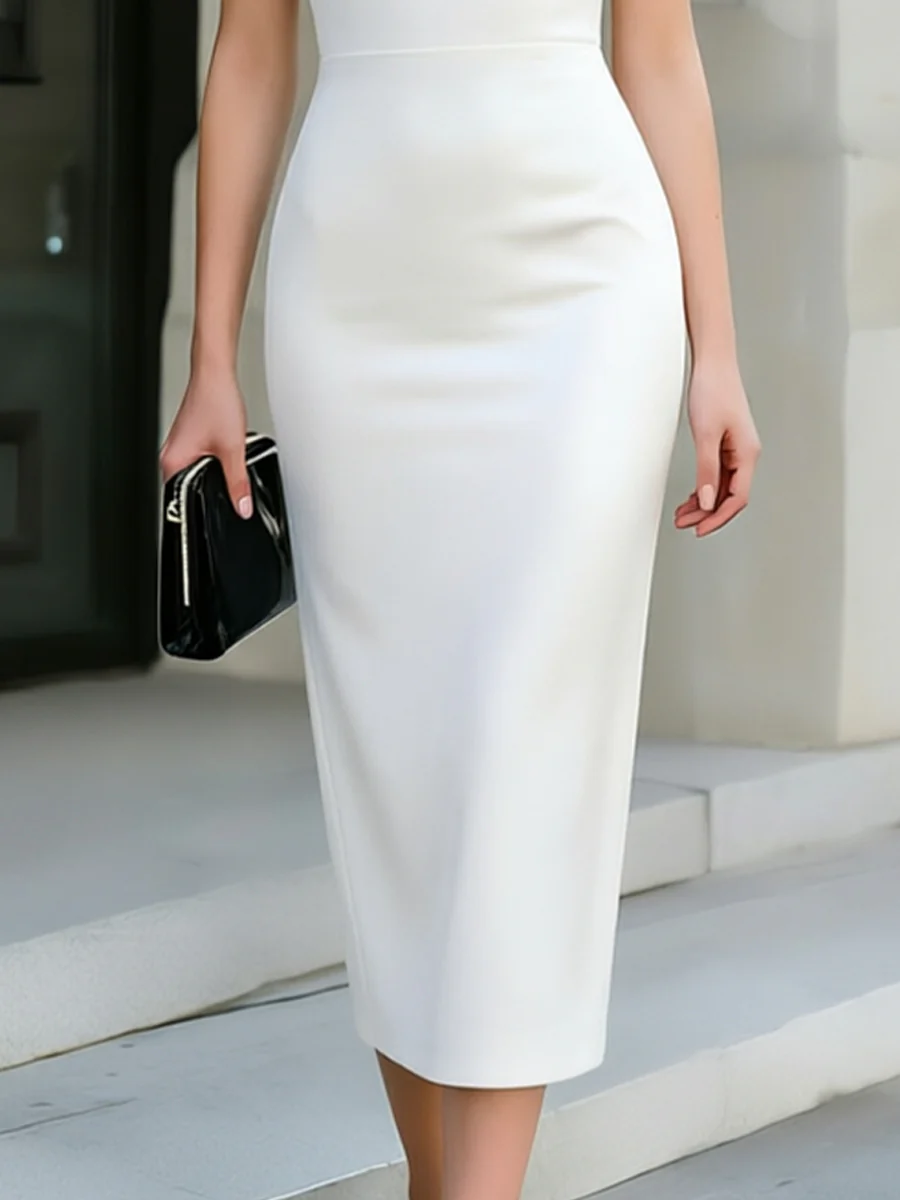
- Find your ideal fit proportions by trying multiple brands and noting which fits work, then repurchase those proportions repeatedly.
- Prioritize neutral colors (black, white, navy, gray) that coordinate with everything and won’t feel dated in five years.
- Check construction details before purchasing, seams, hems, neckline reinforcement, and sleeve construction signal durability.
- Invest in quality cotton from brands that use long-staple fiber and proper finishing techniques.
- Care for t-shirts appropriately, wash inside out, use cool water, air dry, to extend lifespan significantly.
The Power of the Perfect T-Shirt
A great t-shirt is invisible because it simply works. It fits your body perfectly, feels comfortable, looks appropriate in any context, and lasts for years. You reach for it repeatedly and feel good wearing it. Most people own many t-shirts but wear only a few repeatedly because those few work while the others don’t. Instead of forcing yourself to wear uncomfortable shirts or continuing to buy disappointing ones, solve the puzzle once, find the fit, fabric, and quality that works on your body, then build your collection around that. The consistency simplifies your wardrobe and eliminates the frustration of owning clothes that don’t work. That’s not boring, that’s the foundation of looking effortlessly put-together.