
Share This Article
A modern farmhouse kitchen often leans on texture rather than color to create warmth, and the wall behind the stove or sink is where that texture usually shows up first. A peel and stick kitchen backsplash offers a way to bring in brick or stone character without tearing into drywall or hiring a contractor. Commomy Decor builds its 3D tile range around that idea, pairing realistic surface detail with a self-adhesive backing meant for exactly this kind of weekend project.
What Makes 3D Peel and Stick Tiles Different from Traditional Backsplash Options
Conventional backsplash tile usually means mortar, spacers, grout lines, and a fair amount of cleanup before the wall looks finished. A 3D peel and stick panel skips most of that sequence because the texture is molded into the tile itself rather than built up with layers of material on site. Commomy Decor’s panels are made from PVC and EVA, which gives each sheet a raised, dimensional surface instead of a flat printed pattern.
That dimensional quality is the main reason these tiles read as brick or stone from a normal viewing distance. Traditional vinyl decals tend to look flat under kitchen lighting, while a textured panel catches shadow the way real masonry does. This difference matters most in a kitchen, where overhead lighting and under-cabinet strips hit the backsplash at several angles throughout the day.
Brick Textures: Rustic Whitewash and Antique Red Styles
Brick remains one of the defining materials of farmhouse style, and Commomy Decor‘s lineup includes several brick-based finishes built around that look. The 3D Rustic Whitewash Brick panel has a deeply textured, distressed surface meant to resemble reclaimed brick that has been lightly painted over. Each pack covers 9.7 sq.ft. across 10 sheets, with every tile measuring 11.8″ x 11.8″ x 0.14″.
The 3D Antique Red Brick panel takes a different tone, leaning into an industrial loft look with a heat-resistant, self-adhesive backing suited to backsplashes and fireplace surrounds alike. A third option, the 3D Vintage Red Brick Wall Panel, uses a larger 11.8″ x 15.7″ format and adds faded hues and subtle scuffing meant to mimic reclaimed masonry. Together these three finishes give a kitchen project several ways to work brick into a backsplash without laying a single real brick.
Stone Finishes: Stacked Stone and Faux Stone Wall Panels
For kitchens aiming at a more natural palette, Commomy Decor also carries stacked-stone finishes alongside its brick options. The 3D Brown Stacked Stone panel and the 3D Stacked Stone panel both use the same 11.8″ x 11.8″ tile size and 9.7 sq.ft. pack coverage as the brick lines, which keeps planning a wall layout fairly consistent across finishes. Both are installed by pressing the sheet over a smooth surface, with no grout or additional sealing step involved.
A larger-format option, the 3D Faux Stone Wall Panel, scales up considerably, with each pack covering 22.48 sq.ft. across 12 sheets and individual tiles measuring 22.8″ x 11.8″. That bigger panel size suits accent walls or larger backsplash runs where fewer seams are preferred. Choosing between the standard stacked-stone tile and the large faux stone panel mostly comes down to the size of the wall and how much seam visibility is acceptable.
Heat and Water Resistance for Kitchen Environments

Kitchens put more demands on a wall surface than almost any other room, between steam from boiling pots, splashes near the sink, and heat radiating off a stovetop. Commomy Decor describes its panels as waterproof and heat-resistant, qualities that matter specifically behind a range or next to a sink where moisture and warm air are a daily occurrence. The Antique Red Brick tile is specifically listed as heat-resistant, which is relevant for anyone considering it near a fireplace surround or cooktop.
Because the panels are made from PVC and EVA rather than paper-backed vinyl, they hold up to incidental water contact better than a painted wall would. This is one of the clearer reasons a peel and stick kitchen backsplash gets chosen over paint or wallpaper in a cooking area. Surface wiping becomes part of ordinary kitchen upkeep rather than a concern.
Installation Without Tools or Professional Help
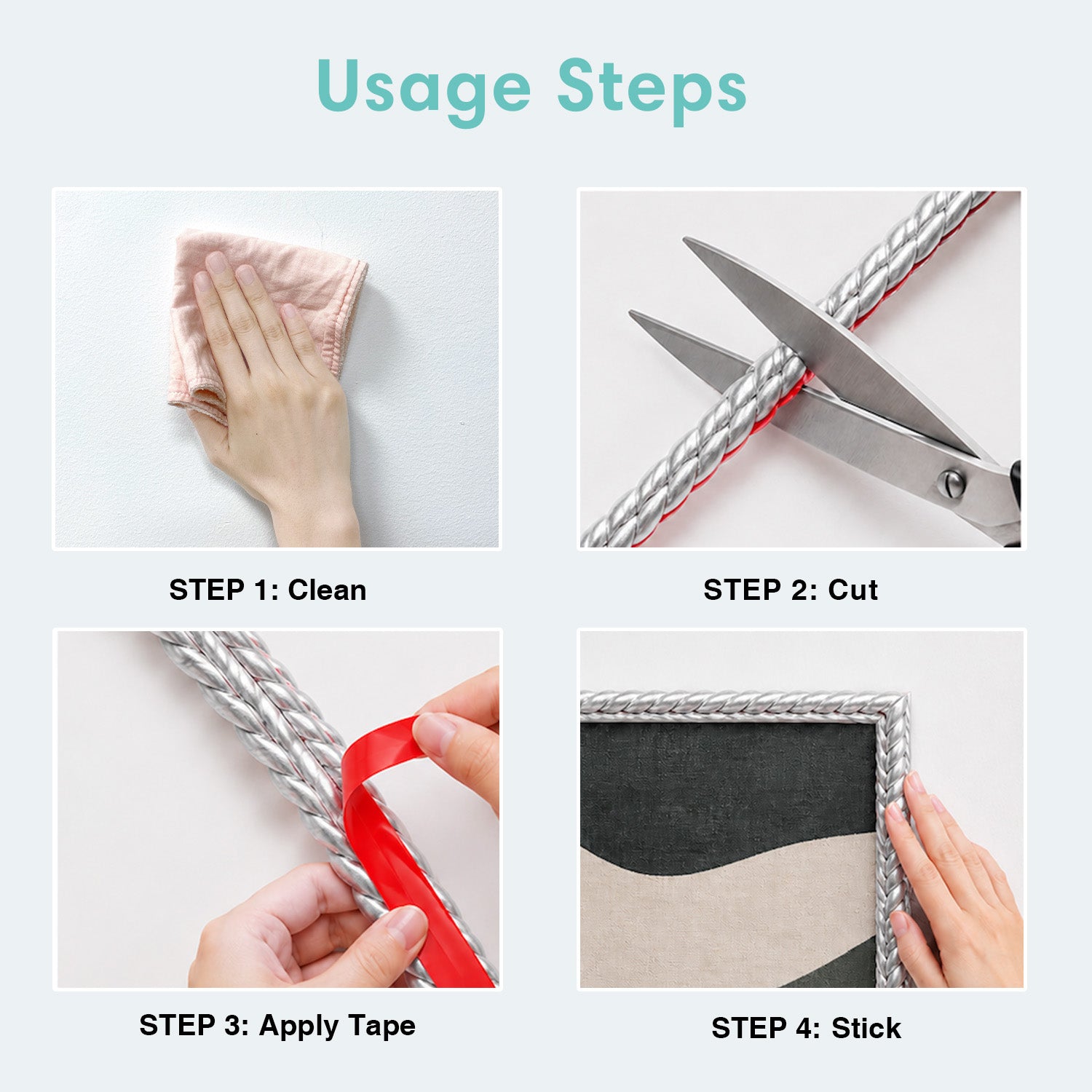
The installation method behind Commomy Decor‘s range is summed up in its own tagline, peel, stick, and done. Each sheet has a self-adhesive backing that goes directly onto a smooth wall, cabinet side, or accent surface without mortar, screws, or a contractor visit. Sheets can be trimmed down with ordinary scissors or a utility knife to fit around outlets, corners, or the edge of a counter.
This approach is what lets a full backsplash project be finished within a short stretch of time rather than over several weekends. The absence of grout lines also means there is no curing period to wait through before the space is usable again. For a kitchen wall that sees daily contact, that shorter path from empty wall to finished surface is a meaningful part of the appeal.
Finishing Touches with Rope Trim Molding Accessories
Once the main field of tile is in place, the edges where it meets a cabinet, window, or ceiling line often need a clean finish. Commomy Decor offers peel and stick rope trim molding in silver, gold, black, and white finishes, each designed to frame backsplash edges, cabinet trim, or mirror borders. Like the tile panels themselves, the rope trim uses a self-adhesive backing and installs without glue, nails, or specialty tools.
The trim is made of flexible, eco-friendly vinyl, which allows it to bend around curves and corners rather than cracking. Because it can be cut to length easily, it adapts to backsplash runs of different widths without needing a custom order. This kind of finishing detail is often what separates a tile installation that looks deliberate from one that looks unfinished at the seams.
- The panels are made from durable PVC and EVA materials designed to hold their raised texture over time.
- Commomy Decor markets its 3D tiles as waterproof, which suits splash-prone zones near sinks and stovetops.
- Each sheet carries a realistic, dimensional brick or stone texture rather than a flat printed pattern.
- Installation is DIY-friendly, requiring only peel-and-stick application and basic trimming tools.
- Several finishes, including the Antique Red Brick tile, are described as heat-resistant for use near cooking surfaces.
- The range includes a variety of authentic-looking finishes, from whitewashed and antique brick to brown and gray stacked stone.
Taken together, the brick styles, stone panels, and rope trim accessories give a kitchen project more than one way to approach a peel and stick kitchen backsplash. The choice mostly comes down to which texture and panel size fit the wall in question, since the installation method stays the same across the lineup.
