
Share This Article
Casual walks, light trails, and everyday errands all ask something different of the foot, and footwear often shapes how that movement feels underneath. Barefoot shoes for outdoor leisure have become a recognizable category for people who want less structure between the sole and the ground. vivobarefoot builds its entire range around that idea, offering options for everyday wear, hiking, and more demanding outdoor conditions. The result is a catalog that treats barefoot shoes for outdoor leisure as a design principle rather than a single product.
What Makes Barefoot Shoes Different: Wide, Thin, and Flexible Design
vivobarefoot describes its shoes as wide, thin, and flexible, and frames that combination as the closest a shoe can get to going barefoot while still promoting the foot’s natural strength and movement. A wide toe box lets toes spread naturally instead of being pressed together. A thin sole shortens the distance between foot and ground, while flexibility in the upper and sole lets the whole foot bend the way it would unshod. Together, these three traits set the category apart from cushioned or structured footwear built around rigid soles.
The Tracker Series for Outdoor Leisure Activities
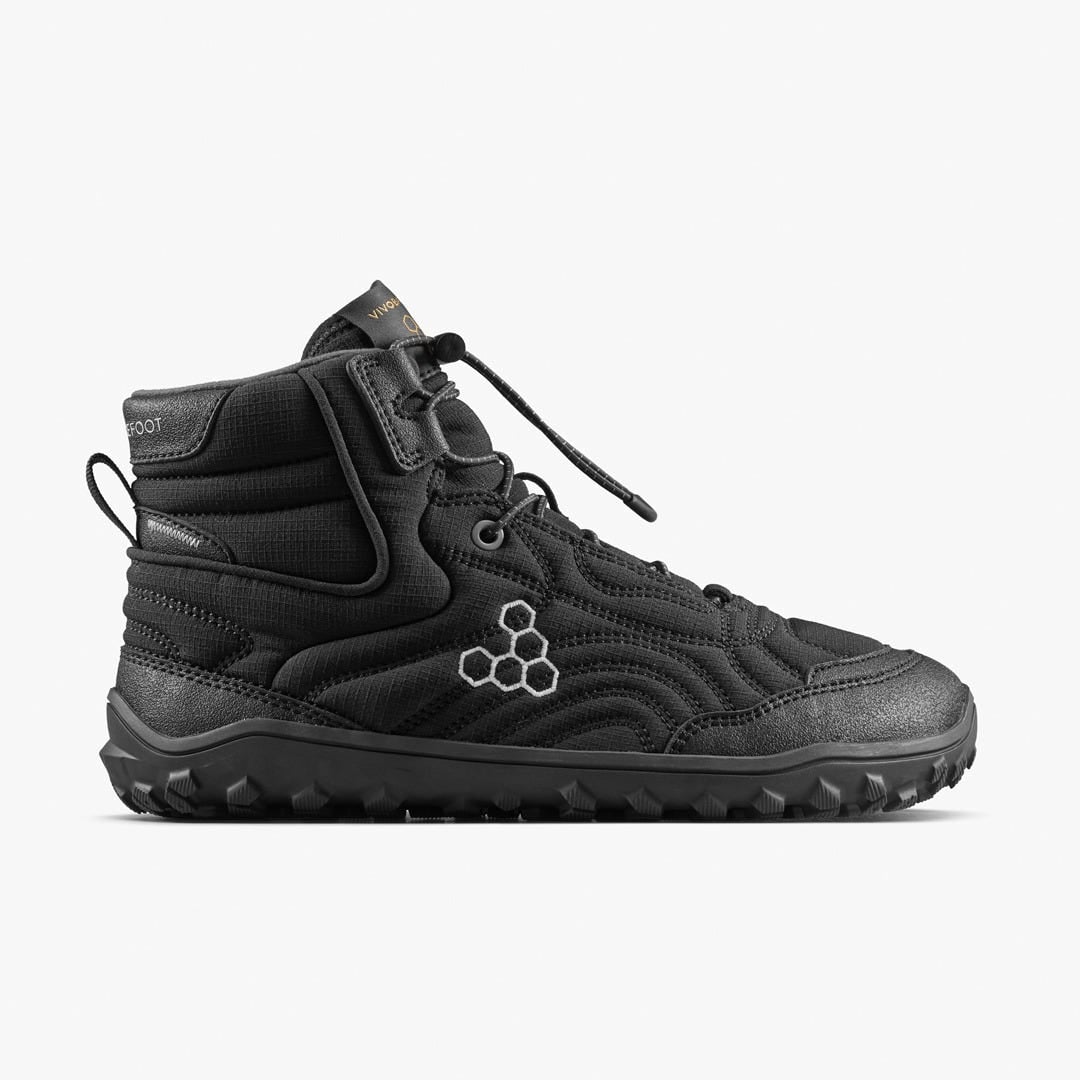
The Tracker line from vivobarefoot is positioned for outdoor lifestyle and hiking use, spanning day trips to longer travel. The Tracker Pioneer Boot Waterproof is described as offering waterproofing and insulation without added bulk, aimed at outdoor lifestyle, hiking, expedition, and adventure travel use. The Tracker Tova Mid and Tracker Winter III SG both emphasize connection to the terrain underfoot, though the Tova Mid is built as a mid-height boot for everyday outdoor lifestyle and hiking, while the Winter III SG is positioned specifically for winter hiking conditions. That split lets the Tracker series cover both mild outings and colder-weather trail use within one family of boots. Each model maintains the wide, thin, and flexible principles across its own technical specifications, ensuring the barefoot design philosophy carries through from warmer-season day hikes to winter expeditions.
The Gobi Boot II: Everyday Barefoot Performance
Not every outdoor leisure moment calls for a trail boot, and the Gobi Boot II fills that everyday gap. vivobarefoot categorizes it under everyday and work use, calling it the classic leather boot built for natural movement. It is available in both mens and womens versions, which keeps the design language consistent across the line. As a leather boot rather than a technical hiking shoe, it suits casual outings where barefoot shoes for outdoor leisure need to double as daily footwear.
Expedition-Grade Options for Wild Adventures

Beyond everyday and light trail use, the range also includes footwear described as engineered for wild adventures. These boots sit among the more rugged outdoor offerings, built for conditions well beyond a neighborhood walk. The phrasing used for this part of the range suggests a boot meant to handle unpredictable terrain rather than paved paths. That places the expedition options at the far end of the catalog, away from the everyday Gobi Boot II and closer to the demands of serious outdoor exploration.
Natural Materials and Vegan Construction Across the Range
vivobarefoot states that its range includes products described as 98% natural and 100% vegan. That combination points to a construction approach built around natural materials while avoiding animal-derived components. For anyone comparing barefoot shoes for outdoor leisure on material grounds, this detail sets the range apart from traditional leather-heavy outdoor footwear, even though the Gobi Boot II itself is specifically a leather boot. Vegan construction across much of the catalog reflects a broader materials commitment stated on the brand’s own pages.
How Barefoot Design Promotes Foot Strength During Leisure Activities
The wide, thin, and flexible formula running through the range centers on letting the foot work with less interference from the shoe itself. Removing added structure and cushioning is the stated aim behind promoting the foot’s own strength and movement. For outdoor leisure specifically, that can translate into more ground feedback during a walk, hike, or casual outing. An online movement course is also included free with purchase of the Motus Flex style, adding guided movement content alongside the footwear itself.
- A wide toe box lets toes spread naturally instead of being compressed into a narrow shape.
- Thin soling reduces the barrier between the foot and the ground for closer ground contact.
- Flexible construction allows the sole and upper to bend with the foot’s own motion.
- Material composition described as 98% natural and 100% vegan runs across much of the catalog.
- Mens and womens versions of core styles like the Gobi Boot II keep design choices consistent across the range.
- The Tracker Pioneer Boot Waterproof combines waterproofing and insulation without bulk for conditions ranging from hiking to expedition travel.
Across its everyday, hiking, and expedition-oriented lines, the range keeps returning to the same wide, thin, and flexible formula. That consistency ties the Gobi Boot II to the Tracker series and onward to the expedition-grade boots. Seen together, the lineup offers a clear picture of how one brand applies the same design idea across very different outdoor settings, from casual leather boots for daily wear to specialized footwear for remote terrain and severe weather.
