
Share This Article
Choosing among window shade types often comes down to how a room is used and how much light control is wanted. The Shade Store offers several of the most requested styles side by side, from sleek roller designs to tailored fabric folds and natural woven textures. Looking at their visual profile, materials, and typical placement helps clarify which option fits a given window.
What Roller Shades Offer: Clean Lines and Quick Deployment
Roller Shades from The Shade Store are built around a flat, continuous piece of fabric that rolls neatly onto a tube at the top of the window. The look reads as streamlined and uncluttered, which is why the style shows up often in kitchens, home offices, and modern living rooms. Materials range across sheer, light-filtering, and blackout fabrics, so the amount of light entering a room can be adjusted without changing the overall silhouette.
Control options extend beyond a simple pull cord. It offers manual and motorized operation for Roller Shades, along with custom valance options that hide the roller mechanism for a more finished edge. This combination of simplicity and flexible light management is part of why the style remains one of the bestsellers among the brand’s window shade types.
Flat Roman Shades: Tailored Elegance and Fabric Versatility
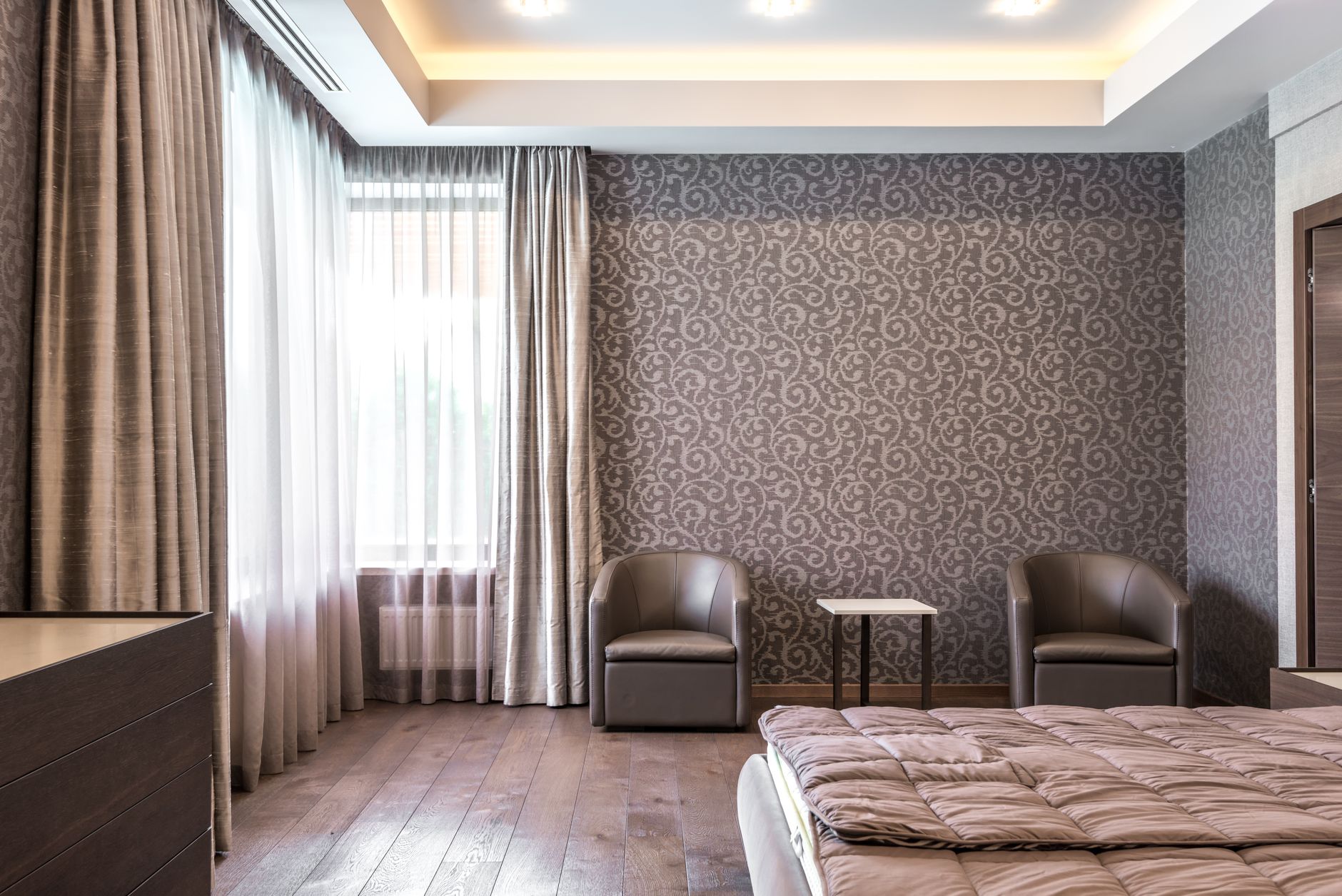
Roman Shades take a softer approach than Roller Shades, folding into horizontal pleats as they rise instead of coiling onto a tube, and The Shade Store produces these in six distinct shade styles ranging from tailored flat folds to more relaxed, billowy versions. That range of silhouettes makes Roman Shades adaptable to both formal dining rooms and more casual bedrooms.
Fabric choice plays a bigger role here than with many other types, since the folds themselves become part of the visual texture. The Shade Store includes complimentary privacy or blackout lining as an option, along with custom borders and decorative trim for a more tailored finish. The result sits somewhere between the structure of a shade and the softness associated with drapery.
Solar Shades and UV Protection: Performance Without Sacrificing Views
Solar Shades address a different priority than light-filtering fabrics used elsewhere in the lineup. They are designed to reduce glare and limit UV exposure while still allowing a view through the material, which matters for rooms with large windows or glass doors. The Shade Store offers different levels of transparency and privacy within this category, so a household can lean toward more outdoor visibility or more daytime privacy depending on preference.
Because Solar Shades help reduce heat coming through direct sunlight, they are frequently chosen for sunrooms and south-facing rooms. The Shade Store makes this style available for oversized windows and doors as well, which is not always the case with every roller-style product. Among window shade types built for performance rather than pure aesthetics, Solar Shades occupy a distinct spot in the catalog.
Woven Wood Shades: Natural Materials and Waterfall Design
Woven Wood Shades bring a textured, organic material into the mix, built from grasses and wood fibers rather than woven fabric. The visual effect is warmer and more tactile than a flat roller or a pleated Roman style, and it tends to suit spaces with natural or rustic design elements. The brand lists Grassweave and Bamboo among its swatch offerings, both of which fall under this woven category.
Many Woven Wood Shades are constructed to stack or cascade as they rise, sometimes called a waterfall fold, which keeps the material visible even when the shade is fully raised. The woven texture itself becomes a design feature rather than something to minimize, giving these shades a presence that flatter, smoother fabrics do not share.
Drapery and Hardware: Ripple Fold and Beyond

Beyond shades, The Shade Store produces eight custom drapery styles with access to more than 500 drapery fabrics. Ripple Fold Drapery is described as a blend of simplicity and style that glides along an included track, making it a functional option rather than a purely decorative one. Tailored Pleat and Pinch Pleat Drapery both use a four-inch buckram at the top to keep their folds structured over time.
Grommet Drapery takes a more graphic approach, with hand-pressed grommets available in five finishes and fabric that extends one inch above the hardware. Unlike the pleat styles, Grommet Drapery is primarily decorative rather than intended for everyday opening and closing. Pairing any of these drapery styles with a shade underneath is a common way to combine privacy control with softer framing at the window.
Material and Customization Across The Shade Store’s Lines
Across its full range, The Shade Store works with more than 1,200 materials sourced internationally, including linen, cotton, wool, silk, and natural grasses. That breadth means the same general category, such as a light-filtering fabric, can look noticeably different depending on the texture and weave chosen. Swatch kits make this easier to judge at home, with the most popular assortment including 20 of the most sought-after materials shipped within 1 to 3 days.
Complimentary measurement services and an in-home design consultation are also part of the offering, which matters when comparing window shade types that each have different mounting requirements. Roller and Solar Shades, for instance, follow different measuring instructions than Woven Wood or Roman styles. Having a professional measurement on file removes some of the guesswork before placing a custom order.
- Roller Shades present a flat, continuous fabric profile and roll fully out of sight when raised.
- Roman Shades fold into horizontal pleats and are available in six distinct styles with optional blackout lining.
- Solar Shades maintain an outward view while offering different openness levels to manage glare and heat.
- Woven Wood Shades use natural grasses and wood fibers, often finished with a stacking waterfall fold.
- Drapery styles such as Ripple Fold and Grommet add framing and texture and can be paired with any of the shade types above.
None of these window shade types is strictly better than another, since each one answers a different combination of light control, texture, and room function. What changes from style to style is how much privacy is needed, how the fabric behaves when raised, and how the finished look should read in a given space. Comparing samples side by side remains the most direct way to see those differences before a final choice is made.
