
Share This Article
Plenty of assumptions circulate about clogs with a rocker bottom and a reinforced heel strap, and many of them do not hold up. Separating fact from fiction matters, since Dansko clogs myths often obscure what the construction, materials, and styling actually deliver. This piece walks through the most common misunderstandings, section by section, using what the brand actually states about its own footwear.
What Dansko Clogs Really Are (Beyond the Nurse Shoe Stereotype)
The stereotype is simple: clogs equal nursing shoes, full stop. That framing ignores the breadth of the catalog. Dansko describes its footwear as comfort shoes crafted for people who want to get the most from daily life, offered across a wide range of styles rather than a single silhouette.
The Professional clog, often cited as the brand’s flagship, is described on its own product page as the shoe that launched a comfort revolution. It combines a roomy reinforced toe box, a contoured footbed, and a padded instep collar. None of that description limits the shoe to any one profession, which is one reason the narrowest version of the Dansko clogs myths does not match the product pages themselves.
The Professional Clog and XP 2.0: Heritage Design Meets Modern Performance
Two names recur across the lineup, the Professional and the XP 2.0. The Professional is positioned as the iconic silhouette, built with a protective heel counter and the reinforced toe box already mentioned. It comes in dozens of color and material options, from milled burnished leather to patent and suede finishes.
The XP 2.0 Clog, including embroidered versions, is described as combining durability with distinctive style for professionals who want both performance and personality. The product listing specifically mentions healthcare, hospitality, and any role requiring all-day comfort, alongside slip-resistant support meant to help through long shifts. That combination of heritage shape and updated detailing is part of why the line keeps expanding into new colorways and finishes each season.
Why Dansko Shoes Aren’t Just for Healthcare Workers
One of the more persistent Dansko clogs myths is that the entire catalog exists for people on their feet in clinical settings. The product descriptions tell a different story. The Leandra clog, for instance, is described as an investment in quality and versatility for a wearer who wants a walkable heel, moving from denim days to dressy evenings and errands alike.
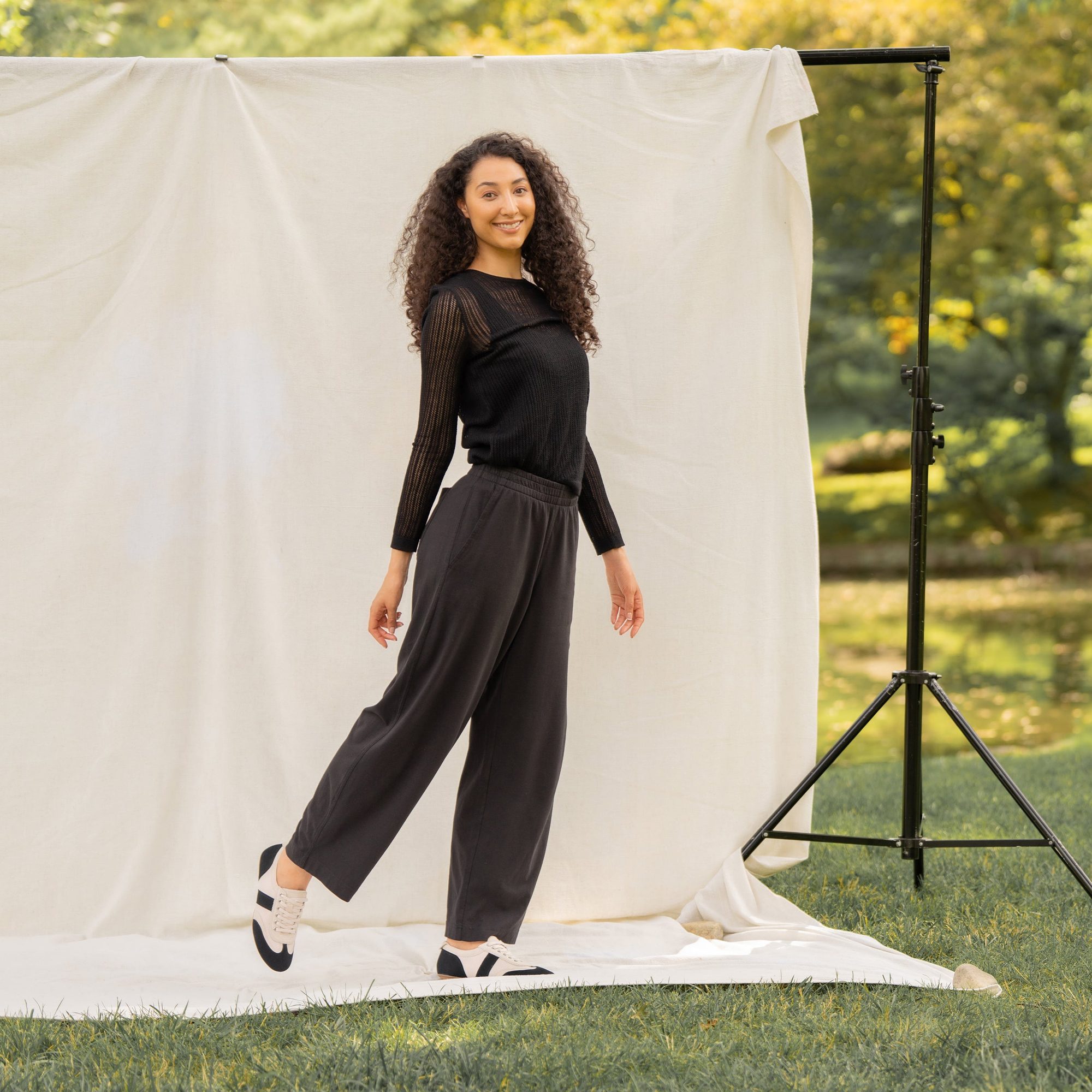
Other pieces lean further into everyday fashion territory. The Milana has been called a “sneakerina” by fashion editors, working as both a fashion sneaker and a polished ballet slipper. Listings like these show a catalog built around varied occasions, not a single occupation, which undercuts the narrower reading of Dansko clogs myths about who actually wears the brand.
The Embroidery Collection and Limited Edition Drops: Fashion Meets Function

Dansko regularly releases limited runs that lean into decorative detail rather than plain utility. The Embroidery Collection includes pieces like the Professional Tan Floral Embroidered clog, described as combining the brand’s heritage silhouette with an elegant, artisanal finish and delicate floral embroidery on the upper.
The Shiloh boot, also part of that collection, pairs taupe suede with floral embroidery for what the brand calls a look that transitions from day to evening while still being engineered for all-day comfort. Alongside embroidery, the site has highlighted glitter clog drops framed as wildly limited releases, including fantasy-themed styles. These drops demonstrate that decorative, fashion-driven releases sit comfortably next to the brand’s more utilitarian lines.
Comfort Technology in Dansko Footwear: Memory Foam, DNA Technology, and Cork Construction
Comfort-related construction details show up repeatedly across product listings, and they vary by style rather than following one formula. The Milana is built with what the brand calls DNA technology for underfoot support, while the Kennedy Mary Jane line uses memory foam cushioning beneath the foot. The Ashland wooden clog collection pairs genuine flame-burnished wood soles with a memory foam-topped footbed and a rubber outsole for traction.
Cork also appears as a material choice in several styles. The Merrin mule, for example, uses a midsole made with cork alongside the brand’s stapled construction method for attaching leather uppers. These details, taken together, show a range of comfort approaches rather than a single interchangeable cushioning system across every shoe.
- The Professional clog features a roomy reinforced toe box along with a contoured footbed for added support.
- A protective heel counter and a padded instep collar are built into the Professional silhouette.
- The XP 2.0 line includes slip-resistant support intended to help wearers stay steady through long shifts.
- The Ashland collection pairs genuine flame-burnished wood soles with a rubber outsole for traction.
- The Merrin mule uses a midsole made with cork alongside leathers attached through a stapled construction method.
- The Kennedy Mary Jane line relies on memory foam cushioning placed directly underfoot.
Dansko’s Range Beyond Clogs: Mary Janes, Boots, Mules, and Sneakers
Treating the brand as a clog-only label is another piece of the wider Dansko clogs myths worth addressing directly. The site’s own category navigation lists clogs, boots, Mary Janes, mules, flats, heels, and sneakers as separate groups, not variations on one shape. The Becka boot in leather and the Kennedy Mary Jane, available in several color combinations, are two examples sitting well outside clog territory.
Mules such as Asher add handcrafted wood soles paired with cushioned footbeds and rivet detailing, while slide-style options like Lyndi use multi-strap leather uppers with a faux-wood sole. Sandals also appear in the lineup, including the Alanna calf sandal from the Ashland collection. Seen together, the range reads as a broad comfort footwear catalog that happens to include clogs rather than a clog brand that occasionally branches out.
Reading Past the Assumptions
Much of what circulates about this footwear category comes from habit rather than fact. Looking at construction details, material choices, and the actual breadth of styles offers a clearer picture than any single stereotype ever could.
