
Share This Article
Whisky cask investment has moved from a niche hobby among collectors into a recognised alternative asset, though it remains far less understood than stocks or property. Buying an unbottled cask of Scotch whisky means owning a physical asset that sits in a bonded warehouse rather than a line item in a portfolio. The Whisky Index UK operates as a direct-sales platform in this market, selling casks from its own stock rather than brokering deals between third parties. This article breaks down how the mechanics of cask ownership actually work, and where this particular platform fits into that picture.
What Is Whisky Cask Investment and How Does It Differ From Other Assets
A whisky cask is a single, physical container of maturing spirit, identified by a distillery, a cask number, and a fill date. Unlike shares or funds, a cask cannot be split into fractions or traded instantly. Ownership is tied to one specific object sitting in one specific warehouse, which makes it closer to owning a piece of property than a security.
That physical nature changes how the asset behaves. There is no daily price feed, no ticker, and no guaranteed buyer on the other side of a trade. Value is instead judged by comparing a cask’s asking price against similar casks on the market, using measures such as price per litre of alcohol. This is one reason whisky cask investment is often described as illiquid compared with listed assets.
The Problem The Whisky Index Solves: Transparency and Fair Pricing in the Cask Market
Cask whisky has a reputation problem built on vague promises. Sellers in the wider market have historically suggested annual returns, implied tax advantages, or hinted at guaranteed buybacks, none of which can honestly be promised for an asset with no fixed market price. The Whisky Index UK takes a different position, stating plainly that it cannot predict what any cask will be worth and that tax treatment depends on individual circumstances.
Pricing on the platform is shown per litre of alcohol on every listing, which allows a quoted price to be compared against other casks regardless of where they are sourced. The price displayed is also the full price, with nothing added at checkout. That matters because cask deals elsewhere can carry fees or commissions that are not obvious until later in the process.
How to Buy a Cask Through The Whisky Index Marketplace
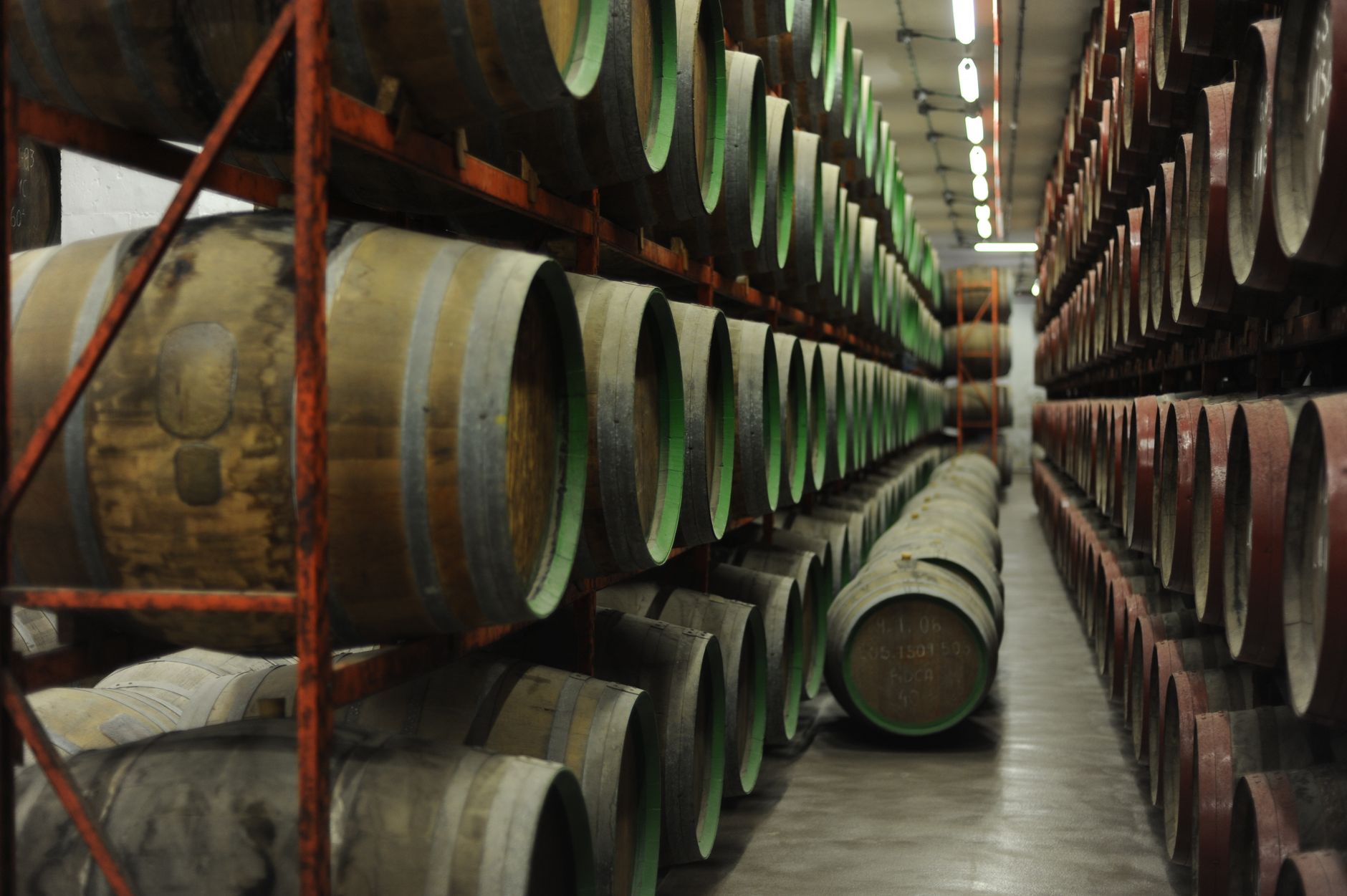
The buying process on The Whisky Index UK begins with browsing live listings, and each record lists the distillery, cask reference, fill type, strength, volume, and the warehouse where the cask is held. These details are supplied by the platform’s own supplier and are flagged clearly when they have not been independently checked. Once a cask is chosen, clicking Buy Now reserves it immediately at the listed asking price, with no negotiation involved.
Before payment, identity and age must be verified through Stripe, a one-off check that confirms the buyer is at least 18 and takes a few minutes with a passport or driving licence. The buyer then reviews and signs the Cask Sale Agreement, the contract governing that specific sale, before paying the full amount at once. Card payments are accepted up to a stated threshold, with bank transfer used above it, and the contract of sale is formed at the moment payment is made.
Understanding Cask Records and What Each Data Point Means
Wood type plays a particular role in a cask record, since bourbon casks tend to bring vanilla and lighter oak notes, while sherry, wine, and port casks bring darker fruit and spice character. Whether a cask is a first fill or a refill also affects how much wood character it is expected to impart over time. These are the kinds of details that separate a cask investment made on paperwork from one made on a hunch.
Distillery region is shown too, though it functions as general context rather than a guarantee of flavour, since two distilleries in the same region can differ significantly. What separates a transparent cask record from a vague one is whether each of these fields has actually been confirmed, rather than assumed. The following distinctions appear across cask records on The Whisky Index UK and are worth understanding before comparing any quote.
- “Confirmed” means the detail has been independently checked and verified, so it can be treated as established fact.
- “Provided” means the detail was supplied by the supplier but has not been independently checked, so it should be read as reported rather than verified information.
- “Not Yet” means the detail is currently unknown or unconfirmed, and the record says so rather than filling the gap with a plausible guess.
- The distinction matters because comparing two similarly priced casks can mean comparing very different levels of documentation.
- A record that openly marks gaps as unconfirmed is generally more useful for assessing risk than one that presents every field with equal confidence.
Registered Ownership and Bonded Warehouse Storage: The Legal Position
Once payment clears, The Whisky Index UK secures the cask and registers the buyer as its owner at the warehouse, aiming to complete registration within 5 working days. Registration means the warehouse, Castlelaw Bonded Warehouses in this case, updates its own records to show the buyer as the legal owner. That moment, not the payment itself, is when ownership becomes legally complete.
After registration, the cask is moved to Castlelaw at the seller’s own cost and risk if it is not already stored there. A free account is set up in the owner’s own name, which the platform states it cannot access, and notification follows once the cask arrives. This structure separates the commercial transaction from the physical custody of the asset, keeping the two under different parties.
Selling a Cask Later and Managing the Investment

Exiting a cask investment works differently from selling a share, because there is no central exchange to list it on. A private sale requires the owner to find a buyer independently and agree a price directly between the two parties. Alternatively, trade buyers such as bottlers, brokers, or the original supplier sometimes purchase casks back, though usually at lower prices than a private sale would achieve.
Specialist auction houses offer another route for casks that fit their listings, while bottling the spirit to drink, gift, or keep remains an option at any point, with duty and VAT becoming due once the cask leaves bond. The Whisky Index UK does not list casks on behalf of owners and does not buy casks back itself, so no buyer or price can be guaranteed. What the platform does offer is a direct line to discuss these routes when the time comes to sell, which keeps the exit conversation separate from the original purchase.
Patience and a clear-eyed read of the paperwork matter more in cask whisky investment than chasing a quick exit. Knowing what is confirmed, what is provided, and what remains unknown is the groundwork any prospective buyer needs before signing anything.
