
Share This Article
Many job seekers spend considerable effort writing a resume only to discover it never reaches a hiring manager’s inbox. Applicant tracking systems filter applications before a human ever reads them, and formatting mistakes are often the culprit. An affordable ATS resume builder can make a real difference in whether an application clears that first automated hurdle. NEWCV positions itself in this space, describing itself as the number one ATS resume builder built for more interviews and faster hiring.
What ATS Scanning Means for Resume Formatting
Applicant tracking systems scan submitted documents for keywords, structure, and readable text before passing anything along to a recruiter. Dense graphics, unusual fonts, or text boxes can confuse these systems and cause relevant details to be skipped entirely. As a result, a resume that looks polished to a human eye can still fail the automated check. That gap between visual design and machine readability is the core problem any ATS resume builder affordable enough for everyday use needs to solve.
Formatting choices such as columns, headers, and embedded tables often trip up parsing software. A resume can list a decade of relevant experience, yet none of it registers if the system cannot read the layout. This is why formatting compatibility matters as much as content quality in a competitive hiring market.
How NEWCV’s ATS Resume Builder Optimizes an Application
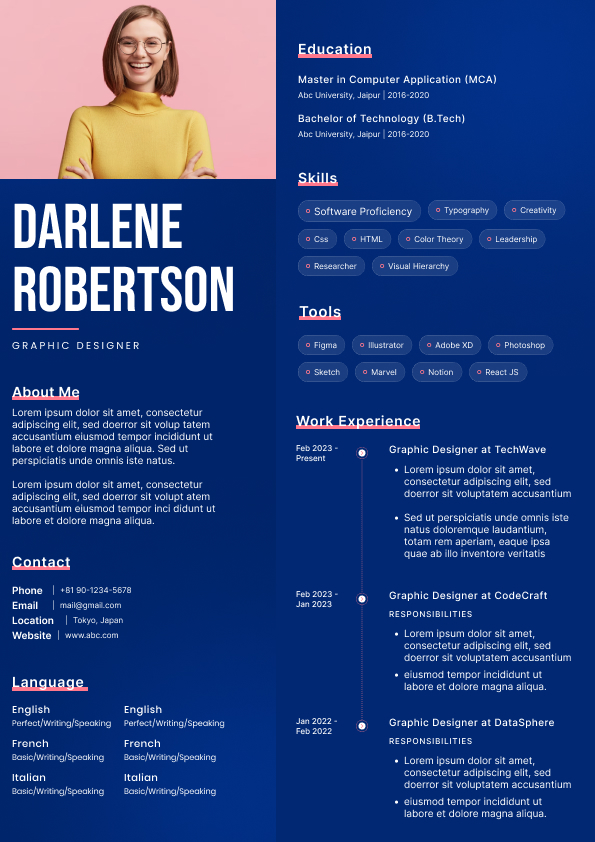
NEWCV describes itself on its own site as an ATS resume builder aimed at generating more interviews and faster hiring, positioning the tool around the screening stage rather than general resume decoration. For a job seeker weighing an ATS resume builder affordable enough for frequent use, that stated focus is the main point of interest. The tool is designed to navigate the critical bottleneck where many strong applications fail, giving candidates a practical way to ensure their experience and qualifications actually register in employer systems.
Because the service is built around ATS compatibility, the resulting documents are meant to move through screening software without triggering the layout issues that often cause automatic rejections. That focus matters more than decorative visuals when the first reader of a resume is software rather than a person. A resume that passes ATS parsing has already cleared a major hurdle that stops candidates from ever being seen by a hiring team.
Key Features That Make NEWCV Affordable for Budget-Conscious Jobseekers

Job seekers applying to several roles at once often look for a resume tool that fits a tight budget without sacrificing formatting quality. NEWCV frames itself around that same screening-focused approach, aiming to generate more interviews and faster hiring outcomes for the people using it. That stated aim is what separates an ATS-aware builder from a plain document template. The self-service model removes the need for expensive professional writing services, which can cost hundreds of dollars and require lengthy consultation processes.
The appeal of an ATS resume builder affordable for ongoing job searching comes from pairing a self-service model with ATS-oriented formatting. NEWCV‘s positioning around faster hiring suggests a tool meant for practical, repeated application cycles rather than a single occasional use. For someone cycling through multiple applications over weeks or months, the ability to quickly adjust and resubmit a resume without repeated fees makes a significant difference in job search efficiency.
Common Formatting Mistakes That Tank a Resume in ATS Systems
Even strong candidates can be filtered out by avoidable formatting errors. Many of these mistakes stem from designing a resume for visual appeal rather than for parsing software. The list below outlines specific ways that ATS-conscious formatting choices help an application survive automated screening and reach a hiring manager.
- Clear, standard section labels such as work history, education, and skills help parsing software categorize content correctly.
- Single-column layouts tend to avoid the scanning confusion that multi-column designs can cause in many templates found elsewhere.
- Text-based content instead of embedded images or graphics gives scanning software something it can actually read.
- Consistent structure throughout a document reduces the risk of garbled or dropped text once a system parses it.
- Saving and uploading a resume in a widely supported file format lowers the odds that an employer’s system rejects it outright.
Other common missteps include unconventional file types, overly creative section titles that confuse keyword matching, and inconsistent date formatting. None of these issues are visible to a human skimming a printed page, which is exactly why they go unnoticed until an application quietly disappears. A tool built specifically to prevent these errors addresses a problem that traditional resume templates and word processors do not.
Getting Interview-Ready Without Expensive Resume Services
Professional resume writing services can involve a level of commitment that many job seekers, especially those between roles, are not looking to take on. An ATS resume builder affordable enough to use without hesitation removes that barrier while still addressing the formatting problem at the center of automated screening. NEWCV fits into that category by combining an ATS-oriented building approach with a self-service model. Candidates can generate multiple versions of their resume to target different positions or industries, adjusting keywords and emphasis without paying per revision.
For someone applying to several postings in the same week, a formatting tool built around screening compatibility is often more practical than a single commissioned document. That same focus on faster hiring outcomes reflects a tool meant for ongoing use rather than a one-time purchase. The economics shift in favor of an accessible tool when the job search extends across weeks and dozens of applications.
Resume success depends less on a single polished document than on consistent compatibility with the systems that make the initial cut.
