
Share This Article
A person notices persistent bloating after meals, or energy that dips every afternoon, and starts wondering whether gut bacteria are to blame. Microbiome testing at home offers a way to check that question without booking a clinic appointment, using a stool sample collected in a private setting and sent to a lab for analysis. This article looks at how that process works in general and where BIOMES 4.0 DE fits into the picture with its INTEST.pro test.
What is Microbiome Testing and Why It Matters
The gut hosts trillions of bacteria, and their balance can be linked to digestion, energy, and general well-being. A small stool sample is collected, sent to a laboratory, and then analyzed for the bacterial species present, which is the basic mechanism behind most at-home gut flora analysis kits.
BIOMES 4.0 DE positions its INTEST.pro test as a tool for understanding what is happening inside the gut, rather than guessing from symptoms alone. According to the brand’s own site, the test has been used by over 50,000 members since being introduced. That scale suggests a fairly established presence within the microbiome testing at home space.
How INTEST.pro Analyzes Gut Flora
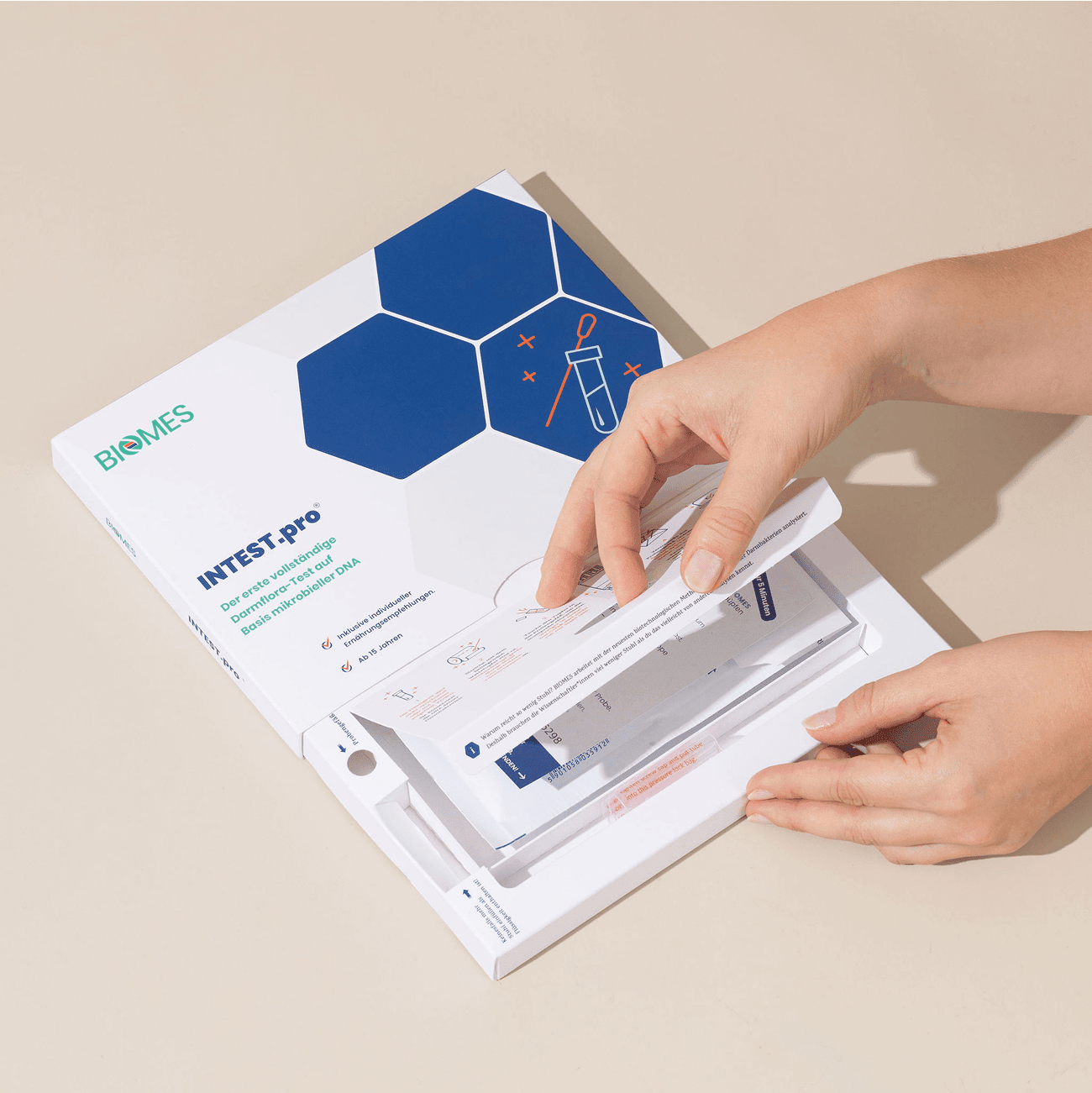
INTEST.pro works from a stool sample collected at home using a cotton swab provided in the test kit. The analysis covers bacterial diversity, along with markers connected to inflammation and nutrient-absorbing microbes, giving a broader picture than a single symptom check could provide.
Results are delivered through an online dashboard rather than a printed report alone, and a PDF version is also included. That digital format allows the data to sit alongside personalized nutrition guidance in one place, which is where BIOMES 4.0 DE differentiates its offering from a simple lab report.
DNA Sequencing vs. Traditional Stool Tests

Traditional stool analysis has long relied on culturing bacteria in a lab, a method that only reveals a fraction of what is actually present. DNA sequencing instead reads genetic material directly from the sample, which captures a much wider range of species, including those that do not grow well in a culture dish. This difference in method is central to how modern microbiome testing at home distinguishes itself from older diagnostic approaches, and BIOMES 4.0 DE builds its INTEST.pro test around that sequencing method.
- Traditional stool tests typically identify around 15 to 20% of known gut bacteria, according to published figures from the brand.
- The INTEST.pro test, by contrast, is described as identifying over 99% of known gut bacteria through DNA-based analysis.
- More than 1,000 bacterial species can reportedly be identified through the sequencing process used for this test.
- Results from the INTEST.pro test are returned within 2 to 4 weeks, a timeframe tied specifically to this test rather than to stool analysis in general.
Personalized Nutrition Plans and AI Coaching
Once the laboratory analysis is complete, the data feeds into a personalized nutrition and lifestyle plan. This plan lists specific foods to favor and others to limit, based on what the test found in the gut flora. An AI-powered microbiome coach is included with the test and intended to provide ongoing guidance after the initial results arrive.
Custom probiotics can also be ordered as an add-on, tailored to the individual results rather than sold as a generic supplement. This connects the diagnostic side of the test to a practical next step, instead of leaving the data as a standalone report. The evaluation itself is available in German, English, Spanish, and French, which broadens who can make direct use of the results from this form of microbiome testing at home.
The INTEST.pro Test Process: From Sample to Results
The process begins with a kit sent to the home, which includes a swab for collecting a small stool sample directly from toilet paper. No clinical visit is required at any stage, and the completed sample is mailed back using a pre-franked return envelope, which keeps the logistics straightforward for anyone testing from a private setting. BIOMES 4.0 DE handles the laboratory side of the process in its own facility rather than outsourcing the analysis.
Results appear online within 2 to 4 weeks, after which the dashboard and nutrition recommendations become accessible. A double pack option exists as well, pairing an initial test with a follow-up test to track changes over time. That setup allows this form of at-home analysis to double as a way of measuring whether earlier dietary changes actually shifted anything.
Complementary Products: Probiotics, Prebiotics, and Postbiotics
Beyond the test itself, BIOMES 4.0 DE sells a range of supplements meant to support the gut following an analysis. LACTO.pro, for example, is described as a monthly supply containing 7 billion microorganisms across 7 bacterial strains, combined with vitamin B12, vitamin D, zinc, and magnesium, and is aimed partly at lactose intolerance. Präbiotika Alpha instead focuses on fiber, combining acacia fiber, oat beta-glucans, and resistant corn dextrin to feed beneficial gut bacteria.
On the postbiotic side, Postbiotika Alpha uses naturally fermented organic turmeric, while Postbiotika Beta is built around short-chain fatty acids and other compounds that arise during the microbial fermentation of oats. There is also a children’s probiotic formulated for ages 3 to 12, supplied as a 50g powder. Together, these products show that the BIOMES 4.0 DE catalogue extends well past the test itself, into ongoing supplementation shaped around what the test uncovers.
For anyone weighing a first DNA-based gut check, the INTEST.pro test shows how far microbiome testing at home has moved beyond a basic stool culture.
