
Share This Article
A shopper scrolling through a size guide for a small label might see unfamiliar measurements and shoppers often close the tab, assuming the fit will be unpredictable. That reaction sits at the center of several independent designer fashion misconceptions that keep people away from curated marketplaces. doors NYC gathers clothing, shoes, bags, accessories, jewelry, and beauty items from established and emerging designers worldwide, all searchable in one catalog. Looking at the actual product listings, rather than the hesitation around an unfamiliar name, usually tells a more accurate story.
The False Belief That Independent Designers Lack Professional Standards
A common assumption treats independent labels as hobbyist projects rather than disciplined studios. The product details on doors NYC suggest otherwise. A JULIA ALLERT midi dress uses medium-weight structured suiting fabric made with recycled fibers, while a NARCISS midi shirt dress is handcrafted in the European Union. These are specific manufacturing choices, not vague promises.
Materials matter just as much as origin. Silk organza, Italian brocade, and autumn-weight crepe all appear across different listings, each chosen for a particular drape or finish. That level of specificity pushes back against one of the more persistent independent designer fashion misconceptions, namely that small-label work is less considered than mainstream collections.
Why Designer Bags Under $500 at DOORS NYC Challenge the Exclusivity Myth
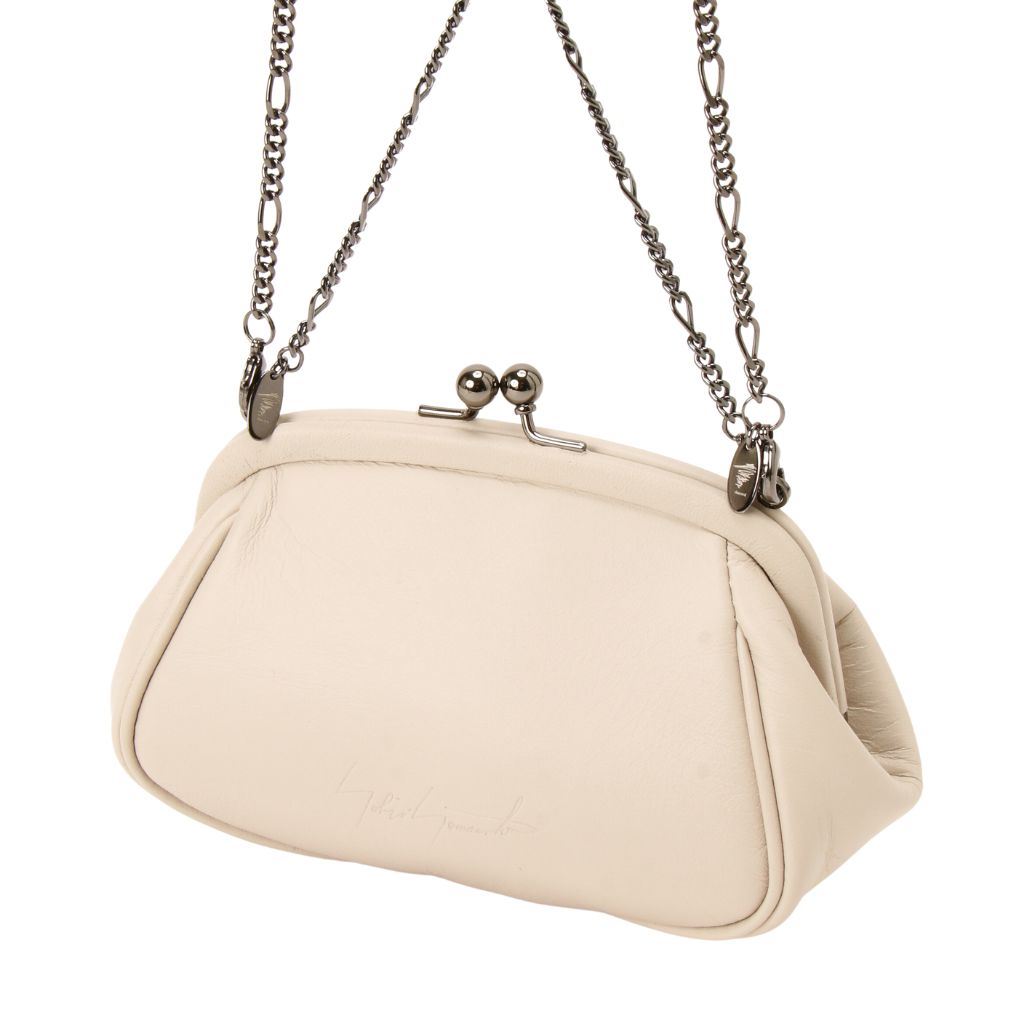
Exclusivity and inaccessibility often get treated as the same idea, yet the site lists a shop-by-style section called Designer Bags Under $500 that keeps the two separate. That section sits alongside baguette bags, clutch bags, cross-body bags, mini bags, shoulder bags, and tote bags, giving a defined entry point into designer accessories without a search through the entire catalog. Grouping bags this way shows how a curated shopping experience can organize price and style together, rather than treating accessible options as an afterthought.
The Misconception That Limited-Edition Pieces Are Inaccessible

Limited runs sound exclusive by definition, yet listings describe them with plain detail rather than mystique. A NARCISS black midi shirt dress, for example, comes from a limited studio run of just 10 pieces, handcrafted in the European Union. Art prints follow a similar pattern elsewhere on the site. Hannah Shillito’s Ooh La La print is a limited edition giclee with an edition size of 30, signed, while Disco Daydream carries an edition size of 5, also signed.
Edition size and signing status are stated plainly on each product page instead of being buried behind marketing copy. That kind of disclosure runs counter to the exclusivity myth, since the numbers are published rather than implied. It also reframes one of the common misconceptions, the idea that scarcity is used purely as a sales tactic.
NYFW Runway Trends and The Foundation Edit: Debunking the Trend-vs-Timeless Divide
Another recurring myth holds that independent fashion is either runway-chasing or stubbornly classic, never both at once. doors NYC organizes shopping by occasion and by style at the same time, including a NYFW Runway Trends section alongside The Foundation Edit, The Denim Reset, and The Texture Report. A shopper browsing for runway-inspired pieces and a shopper hunting for foundational wardrobe staples can draw from the same pool of designers.
A single designer, such as JULIA ALLERT, appears across both trend-forward silhouettes and more foundational tailored pieces like structured coats and wide-leg culottes. That overlap suggests trend-driven and timeless items are not separate inventories behind the scenes, but simply different ways of browsing the same stock.
Emerging Designers vs. Established Brands: Breaking Down the Quality Assumption
The roster groups part of its lineup under labels such as Innovators and New Designers, placing names like CALLA, JUUN.J, and RUIBUILT in one section and BASSIA, GLYPH, and HEIRA LEATHER in another. The distinction reads as organizational rather than a ranking of craftsmanship. Both groups sit within the same searchable catalog, filterable by designers from countries including France, Italy, Japan, South Korea, Turkey, and Ukraine.
Shoppers who assume newer names automatically mean lower construction standards overlook the detail that the fabric sourcing and construction notes read the same way across both Innovators and New Designers listings. Nothing in that detail points to a quality gap tied to how long a label has existed. doors allows for browsing by both emerging and established designers without implying a hierarchy based on label age or market tenure. That consistency is one of the clearer counterpoints to independent designer fashion misconceptions built around age or name recognition.
- Many shoppers assume independent labels skip quality control, despite the detailed fabric and construction descriptions listed on each product page.
- A frequent assumption is that small studios cannot offer accessible pricing options alongside premium pieces, even though a dedicated bag category sits next to higher-priced accessories in the same catalog.
- Some buyers believe limited-edition pieces are impossible to track down, even though exact edition sizes and run counts are stated on product pages.
- Others assume trend-driven runway pieces and timeless staples must come from separate sources, when the same designers can appear in both categories.
- A further misunderstanding treats emerging designers as inherently less skilled than established names, despite shared manufacturing standards across the roster.
- Some shoppers expect a fixed, unchanging catalog, overlooking how a selection built around weekly arrivals and seasonal sections keeps shifting the available stock.
How New Collections Added Weekly Contradicts the Scarcity Myth
A persistent myth treats independent fashion as rare and slow-moving, something that restocks only on occasion. The brand’s own description notes new collections added weekly, spanning clothing, shoes, bags, accessories, jewelry, and beauty. Categories range from blouses and knitwear to sunglasses, skincare, and perfume, drawn from designers across multiple countries.
That pace runs against the assumption that shopping independent labels means long waits between releases. The site also runs an Events section and a Magazine alongside the shop, pointing to an operation built around ongoing activity rather than a single static drop. Seasonal sections such as Resort Without Limits and Ski Dressing rotate in alongside the recurring style-based categories, which is a concrete answer to lingering independent designer fashion misconceptions about limited restocking.
Independent designer fashion misconceptions persist when shoppers rely on assumptions rather than examining what doors actually presents through its listings, organization, and pace of updates.
