
Share This Article
Selecting the right running shoes is one of the most important decisions any runner can make. Quality footwear reduces injury risk, improves comfort during training and enhances overall running performance. Whether you’re a beginner embarking on your first 5K or an experienced marathoner pursuing personal records, investing in proper running shoes pays dividends in comfort and injury prevention. This comprehensive guide explores what makes great running shoes and how to find the perfect pair for your running style and goals.
Understanding Your Running Gait and Foot Type
Before purchasing running shoes, understanding your individual running mechanics is essential. Gait analysis reveals whether you overpronate, underpronate or have a neutral stride. Visit specialty running retailers for professional gait analysis, which typically involves observing your running on a treadmill or outdoor surface. Many runners benefit from shoes designed for their specific gait pattern. Hoka offers models engineered for different foot types and running styles, from neutral cushioning to stability-focused designs that correct excessive pronation.
Foot shape varies between runners, some have high arches, others flat feet and many fall somewhere in between. Determining your arch type helps narrow shoe selection toward models that provide appropriate support. Professional fitting specialists can assess your arch height and recommend shoes that complement your natural biomechanics, preventing foot pain and reducing strain on knees and hips.
The Importance of Proper Cushioning
Running shoes must balance cushioning with responsiveness to absorb impact while maintaining ground contact feel. Modern cushioning materials vary widely in firmness, bounce and durability. Softer cushioning suits runners seeking maximum impact absorption, while firmer shoes appeal to those preferring more ground connection. Medium-level cushioning works well for most runners. Hoka designs shoes with carefully engineered cushioning systems that reduce joint stress without sacrificing responsiveness, allowing runners to enjoy both comfort and speed during training and racing.
Cushioning quality affects long-term durability. Premium shoes maintain their cushioning properties over hundreds of miles, while cheaper alternatives may compress and lose effectiveness quickly. Consider cost-per-mile when evaluating running shoes; investing in durable quality shoes often proves more economical than replacing worn-out budget options frequently.
Finding the Right Fit and Sizing
Proper shoe fit prevents blisters, black toenails and other painful foot injuries. Running shoes should have approximately one thumb’s width of space between your longest toe and the shoe’s end. Tight shoes cause blister formation and restrict blood flow, while oversized shoes create sliding friction inside the shoe. Heel grip matters equally, your heel should neither slip out of the shoe nor feel excessively compressed. Hoka provides detailed sizing information and fit guidance to help runners find shoes that feel comfortable from the first run.
Shop for running shoes in the afternoon when feet are slightly swollen from daily activity. This timing ensures shoes fit properly during your normal running routine. Consider purchasing shoes a half size larger than regular street shoe size, accounting for foot swelling during runs. Many runners invest in multiple shoe models for different purposes, rotating between long-run shoes and tempo-run shoes to extend the lifespan of each pair.
Evaluating Durability and Longevity
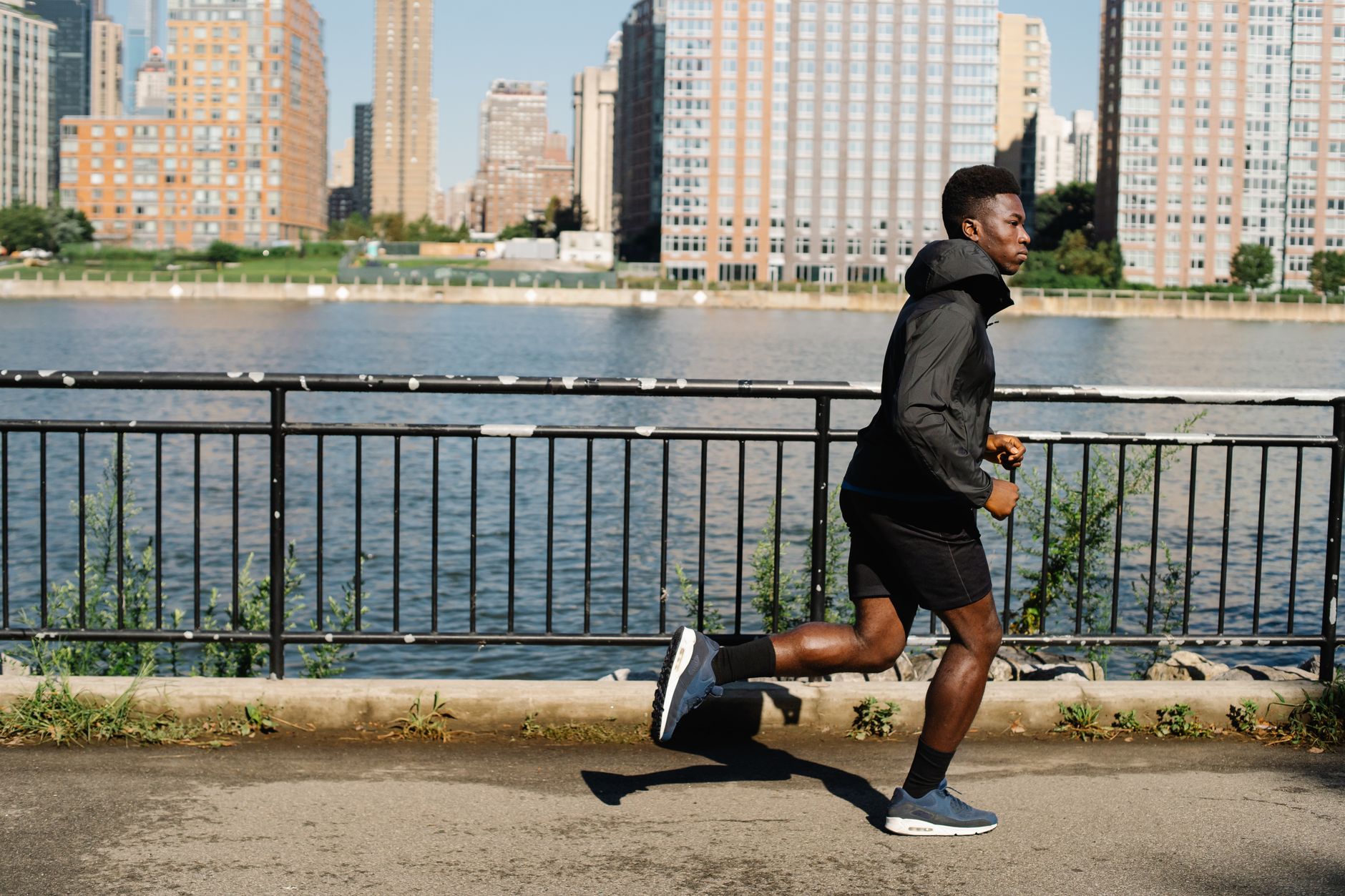
Quality running shoes typically last between 300 and 500 miles before cushioning degrades significantly. Tracking mileage helps runners know when shoe replacement is necessary. Most runners require new shoes once or twice annually depending on training volume. Hoka shoes are engineered for durability, maintaining their structural integrity and cushioning properties through extensive use, making them a solid investment for serious runners.
Inspect shoes regularly for signs of wear. Uneven sole wear patterns suggest gait issues that might benefit from gait-correcting shoes. Deteriorating cushioning shows through increased impact sensation and general discomfort during runs. Don’t wait until shoes feel completely worn out to replace them; proactive replacement prevents injury better than running in overly worn shoes while adapting to their deteriorated properties.
Considering Different Models for Different Runs
Advanced runners often maintain multiple shoe models for different training purposes. Lightweight racing flats excel for speed work and competitions due to minimal weight and ground contact feel. Daily training shoes provide adequate cushioning for regular runs while balancing durability and comfort. Long-run shoes offer maximum cushioning for extended distances. Hoka manufactures shoes across all categories, allowing runners to optimize their shoe collection for varied training approaches and goals.
Rotating between different shoes reduces wear on individual pairs while allowing runners to match shoe selection to specific training sessions. This approach extends overall shoe lifespan and provides varied stimulus to different foot muscles and tendons during running workouts.
Shoe Selection Essentials

- Get a professional gait analysis to identify your running style and foot type for proper shoe selection.
- Test shoes at specialty running stores with trained staff to ensure correct fit and comfort.
- Choose shoes with appropriate cushioning levels that match your personal preferences and training volume.
- Track mileage to know when your shoes need replacement, typically every 300-500 miles.
- Consider owning multiple shoe models for different training purposes like easy runs and racing.
Making your shoe purchase decision requires time and research. Invest time in researching available models before purchasing. Read reviews from runners with similar goals and foot types. Try shoes on at specialty retailers where trained staff can provide personalized recommendations. Consider your training volume, running goals and budget when making your selection. Test shoes during shorter runs before committing to long-distance training. Hoka combines innovation, comfort and durability to provide runners with shoes that enhance performance while protecting against injury. Start your search today and find the perfect pair for your running journey.
