

Share This Article
Hair loss affects millions of individuals worldwide, impacting self-confidence and quality of life significantly. Understanding available treatment options enables informed decisions about addressing hair loss concerns effectively. Modern scientific research has identified multiple approaches combining topical solutions, oral medications and nutritional support. Personalized treatment plans tailored to individual causes and severity levels maximize effectiveness and results.
Understanding Hair Loss Causes
Hair loss stems from various underlying causes including genetics, hormonal changes, nutritional deficiencies and environmental factors. Male pattern baldness accounts for majority of hair loss cases driven by genetic predisposition and DHT sensitivity. Female pattern hair loss presents differently with thinning across the scalp rather than receding hairline patterns. Thyroid conditions, iron deficiency and autoimmune disorders contribute to excessive shedding patterns significantly. Stress and lifestyle factors accelerate hair loss in predisposed individuals through cortisol elevation. Medical conditions and medications may trigger temporary or permanent hair loss requiring intervention. Consulting healthcare providers identifies specific causes enabling targeted treatment approaches tailored personally. Quality Blends hair loss solutions address root causes rather than symptoms alone.
Topical Treatment Options
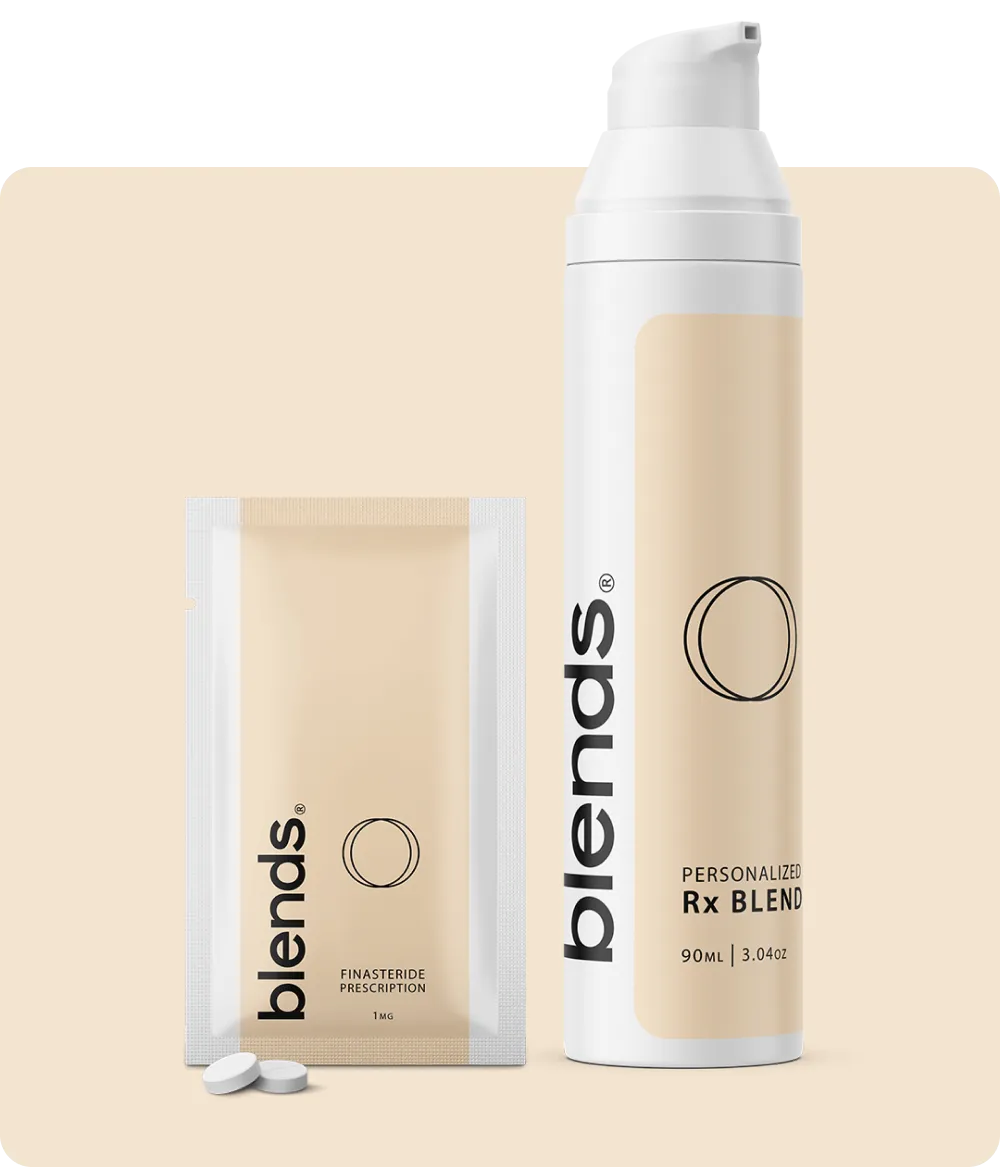
Topical minoxidil represents FDA-approved solution extending anagen phase and promoting hair regrowth effectively. Daily application to scalp stimulates hair follicles and increases blood flow to affected areas substantially. Results typically appear after several months of consistent use with visible improvement in hair density. Tretinoin combined with minoxidil enhances penetration and efficacy for stubborn hair loss cases. Ketoconazole shampoo addresses scalp inflammation and fungal conditions contributing to shedding patterns. Clinical evidence supports topical treatments for both male and female pattern baldness comprehensively. Selecting Blends targeted topical remedies provides non-invasive intervention options for hair restoration.
Oral Medication Approaches
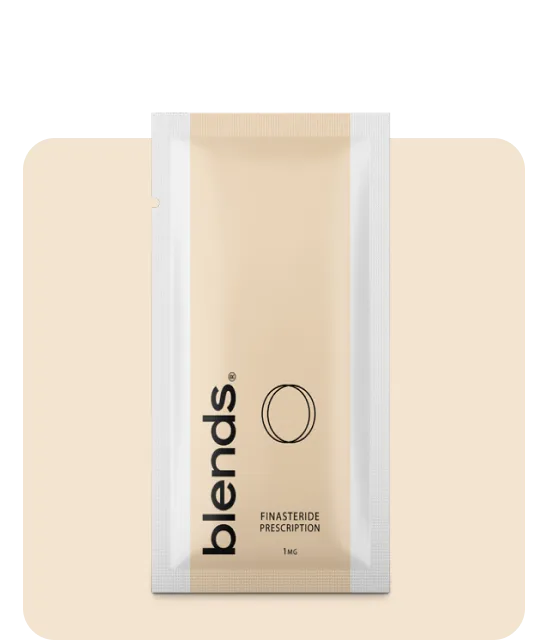
Finasteride inhibits DHT conversion preventing further hair loss and promoting regrowth in responsive patients. Daily oral administration shows effectiveness for male pattern baldness with visible results after months. Dutasteride offers stronger DHT suppression for patients requiring more aggressive intervention strategies. Both medications require consistent use maintaining benefits over extended periods for lasting results. Side effects remain minimal in most patients though individual responses vary considerably. Regular monitoring ensures optimal dosing and effectiveness assessment preventing complications. Combining Blends oral and topical treatments accelerates response and improves outcomes significantly compared to single approaches.
- Multiple treatment options address different hair loss causes and severity levels effectively.
- Topical solutions provide non-invasive intervention with visible results over months.
- Oral medications target underlying hormonal factors driving hair loss.
- Nutritional support addresses deficiencies contributing to excessive shedding.
- Personalized approaches combining multiple strategies optimize overall effectiveness and restoration.
Nutritional and Supplement Support

Biotin supports keratin production strengthening hair structure and reducing breakage significantly. Vitamins B6, B9 and B12 support cellular growth and hair follicle function comprehensively. Vitamin D deficiency correlates with alopecia making supplementation important for many individuals. Zinc promotes protein synthesis essential for hair growth and maintenance throughout life cycles. Iron deficiency triggers telogen effluvium causing excessive shedding and thinning patterns. Selenium supports thyroid function influencing hair health and growth cycles substantially. Comprehensive supplementation addressing multiple deficiencies improves overall hair health synergistically. Implementing Blends nutritional protocols provides foundational support for hair regrowth and retention long-term.
Combination Treatment Protocols
Synergistic combinations of topical, oral and nutritional interventions maximize hair retention and regrowth effectively. Minoxidil with finasteride addresses multiple pathways in male pattern baldness comprehensively. Adding vitamins and minerals addresses nutritional gaps accelerating recovery and visible results. Tretinoin enhances minoxidil penetration while ketoconazole addresses scalp health proactively. Protocol duration typically ranges from six to twelve months before maximum results appear. Customized combinations balance efficacy with tolerability and individual response patterns carefully. Medical supervision ensures safety and optimization of treatment protocols throughout duration. Exploring Blends comprehensive treatment approaches provides highest success rates for diverse presentations.
Lifestyle Factors and Hair Health
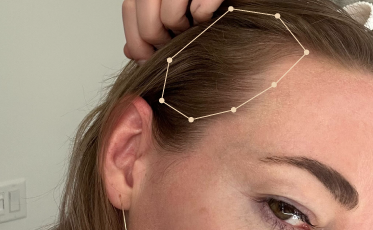
Stress management reduces cortisol levels minimizing stress-induced hair shedding significantly. Adequate sleep supports cellular regeneration and hormonal balance essential for hair growth. Nutrition emphasizing protein, healthy fats and micronutrients strengthens hair from within effectively. Regular exercise improves circulation delivering nutrients to hair follicles and scalp tissues. Scalp care including gentle massage increases blood flow and nutrient delivery substantially. Avoiding harsh hair treatments and excessive heat protects remaining hair from damage. Environmental protection from sun and pollution preserves hair health and structure long-term. Implementing holistic lifestyle modifications complements medical interventions comprehensively.
Monitoring Progress and Expectations
Realistic timelines expect initial stabilization within three to four months of treatment initiation. Visible regrowth typically emerges after six months of consistent therapy and adherence. Maximum results appear after nine to twelve months of dedicated treatment commitment. Photography documentation tracks subtle changes difficult to perceive daily or weekly. Regular scalp assessments identify response patterns and treatment adjustments needed progressively. Professional guidance ensures appropriate protocol modifications based on individual progress objectively. Patience and consistency prove essential for achieving optimal long-term outcomes successfully.
Effective hair loss management combines scientific understanding with personalized treatment approaches tailored individually. Strategic interventions addressing multiple factors maximize the likelihood of successful restoration and confidence recovery.
