
Share This Article
Backcountry Exploring remote wilderness demands more than wanderlust and a sense of adventure, it requires reliable gear that withstands harsh conditions and supports you when civilization fades behind. The right equipment transforms an ambitious hike into a manageable expedition and separates a miserable outdoor experience from an unforgettable one. Whether you’re planning a multi-day trek through alpine terrain or a weekend camping trip in remote areas, understanding what gear matters most will make your adventure safer, more comfortable and far more enjoyable.
The Foundation Core Backpacking Gear
Every wilderness adventurer must start with the fundamentals. A quality backpack forms the backbone of your setup and size matters, a 50-70 liter pack works well for multi-day treks, while shorter excursions need 30-40 liters. Look for packs that offer ventilated suspension systems to keep weight off your lower back and distribute load evenly across your hips. Backcountry Your sleeping bag is equally critical, choose one rated for temperatures 10-15 degrees lower than the coldest nights you expect, as ratings are conservative. A three-season bag handles spring through fall in most regions, while winter expeditions demand specialized four-season bags. Pair this with an appropriate sleeping pad; closed-cell or inflatable pads provide insulation from ground cold that sleeping bags alone cannot manage.
Shelter and Protection from the Elements
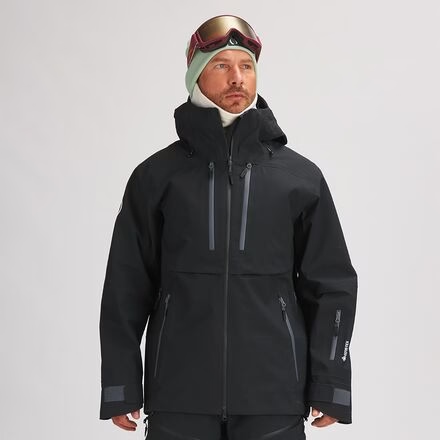
Your tent or tarp shelter represents your refuge in unpredictable weather. Modern backpacking tents are lightweight yet durable, with integrated rainflies and good ventilation to prevent condensation. Budget backpackers often use tarps, which save weight but require more skill to deploy effectively in wind. Premium gear from backcountry outfitters stock options for every preference and budget. Beyond shelter, rain gear is non-negotiable. A quality rain jacket and pants keep you dry and allow core body heat to stay where it belongs. Merino wool base layers are worth their premium price, they regulate temperature whether wet or dry, resist odors and dry faster than synthetics. Add a fleece or down insulating layer for temperatures below 50 degrees Fahrenheit.
Water and Food Management Systems

Hydration is foundational to wilderness safety and performance. Carry at minimum 2-3 liters of water capacity through filtration bottles, gravity filters or pump filters. Gravity filters like Sawyer Squeeze systems let water flow between bags passively, while pump filters give you control over speed. Chemical treatments with iodine or bleach tablets work in emergencies but may affect taste. For food, lightweight stove systems that burn liquid fuel, canister gas or solid tablets allow you to cook warming meals that boost morale during cold nights. Dehydrated meals pack tremendous calories into minimal weight, modern expedition food has come far from the cardboard-flavored fare of decades past. Shop backcountry retailers for extensive selections of proven meals and cooking systems.
Navigation and Safety Essentials
Getting lost in the wilderness compounds every other hardship. Carry a detailed topographic map of your intended route and study it before departure. A compass remains the most reliable navigation tool since it needs no batteries and functions in any weather. GPS devices and smartphones with offline map apps provide backup, but technology fails, learn to navigate with traditional tools first. First aid kits should be customized to your group’s needs and the terrain; include blister treatment, pain relief, anti-diarrheal and bandaging materials. A headlamp with extra batteries provides safety during evening hours. Consider carrying a satellite communicator or personal locator beacon for remote areas where cell service vanishes entirely. backcountry
Clothing Layers and Foot Protection

The principle of layering applies to every part of your body. Moisture-wicking base layers keep sweat away from skin, insulating layers trap warm air and an outer shell protects from wind and rain. Your feet deserve particular attention because blisters and foot pain can end even the most well-planned expeditions. Invest in quality hiking boots broken in before your trip, paired with merino wool socks that prevent blisters better than cotton. A few moleskin patches and blister treatment supplies in your pack often make the difference between hiking out comfortably or limping home in pain. Serious outdoor retailers offer comprehensive ranges of boots and socks tested by experienced trekkers, available through backcountry online.
Tools and Repair Supplies
A lightweight multi-tool addresses countless problems that arise far from help. Duct tape wrapped around a pencil or stored in a small stuff sack provides makeshift repairs without carrying a full roll. Pack tent repair patches, rope or cord for emergency repairs and a few safety pins. Sunscreen and lip balm with SPF protect against intense alpine sun reflected off snow and rock. A lightweight towel or bandana serves a dozen purposes from sweat management to emergency signaling. Discover quality repair kits and wilderness tools from backcountry specialists.
Preparation and quality gear make the difference between a wilderness experience you’ll treasure forever and one you’ll spend years trying to forget. The investment in proper equipment pays dividends in comfort, safety and confidence. Whether you choose ultralight minimalist setups or pack everything for maximum comfort, understanding your needs and matching them to proven equipment ensures your expeditions remain positive and rewarding for years to come.
