
Share This Article
In today’s connected world, a reliable mobile phone plan is not a luxury but a necessity. Yet for many consumers, the cost of wireless service represents a significant monthly expense. Traditional carriers often bundle expensive plans with unnecessary features, leaving budget-conscious users searching for alternatives that provide genuine value. The good news is that affordable mobile phone plans have become increasingly accessible, offering reliable coverage and essential features without the premium price tag that major carriers demand. Consumer Cellular has emerged as a leading option for those seeking to reduce wireless expenses while maintaining quality service.
The mobile carrier landscape has undergone significant transformation over the past decade. Where once consumers had limited choices and paid premium rates, today’s market offers increasingly competitive options tailored to different usage patterns and budgets. Seniors, light users and families looking to cut costs now have access to plans that charge only for the features they actually use, eliminating the waste associated with traditional carrier bundles. This shift toward consumer-focused pricing represents genuine progress in making wireless connectivity more accessible.
The Cost of Paying Too Much for Mobile Service
Many consumers remain locked into expensive wireless plans simply because they haven’t explored alternatives. Major carriers structure their offerings around premium packages that bundle unlimited everything, even when users only need modest data, limited calls and occasional texts. Over a year, paying ten dollars more per line than necessary represents hundreds of dollars in unnecessary expense for the average household. For families with multiple lines, the financial impact becomes even more significant.
Consumer Cellular addresses this issue directly by focusing on transparent pricing and genuine savings. Instead of forcing customers to pay for unlimited everything, the platform lets users select the minutes, texts and data they actually need, then charges accordingly. This approach eliminates unnecessary expense without sacrificing service quality or network reliability.
Understanding Your Actual Mobile Usage
Before selecting a mobile plan, it’s worth examining your genuine usage patterns. Many users overestimate how much data, calling minutes and texts they actually consume. Someone who primarily uses WiFi at home and work might discover that unlimited data represents wasted money. Similarly, users who make few phone calls might find themselves overpaying for minutes they’ll never use. By conducting an honest assessment of your previous usage, you can identify plans that provide exactly what you need without padding.
This self-awareness about usage patterns is crucial for finding affordable plans that deliver value. Consumer Cellular provides tools to understand your needs and select accordingly, ensuring you’re not overpaying for services you don’t use.
Flexible Options for Different Lifestyles
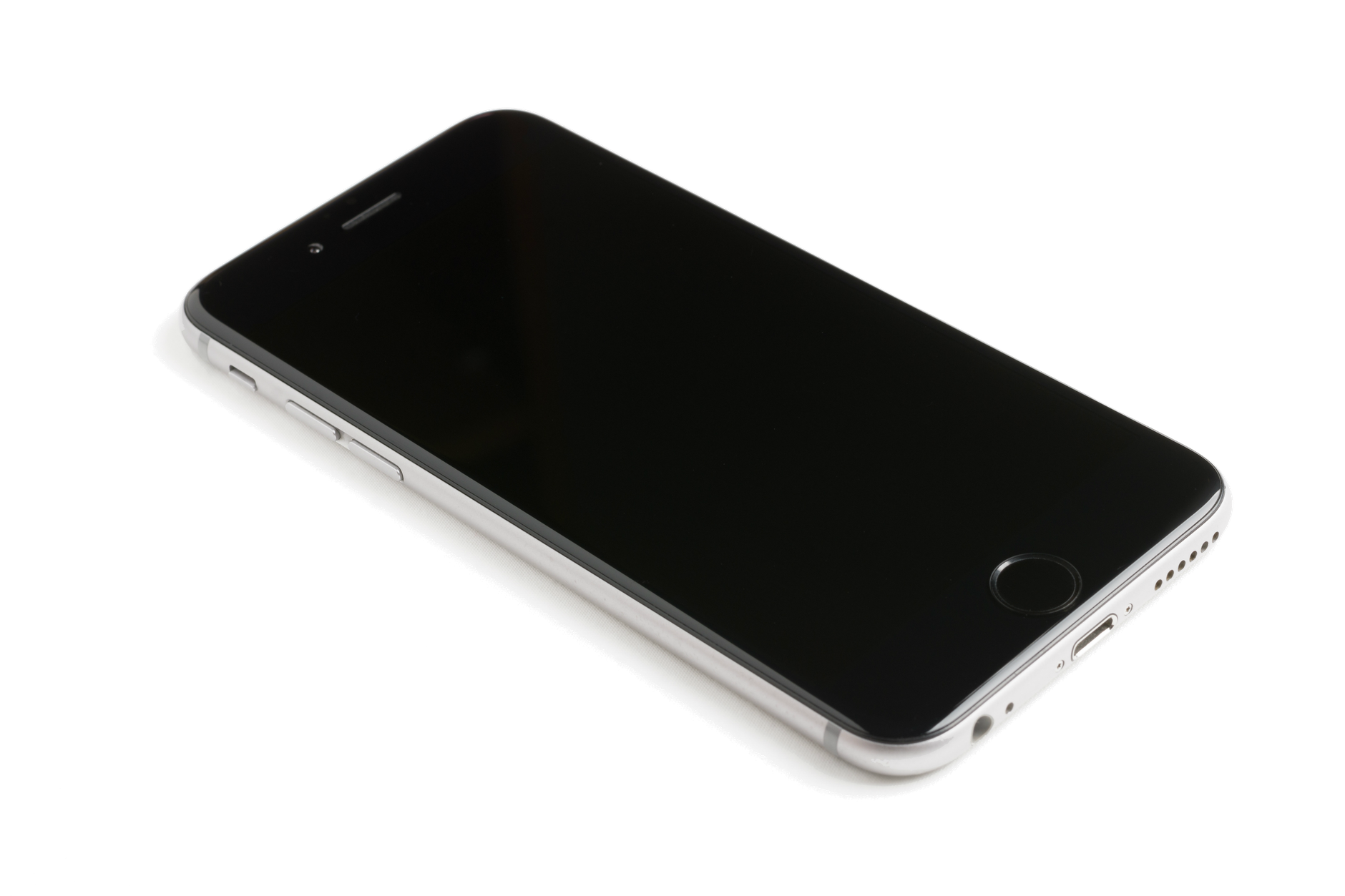
Not everyone’s mobile needs are identical. Some users maintain phones primarily for emergencies, requiring minimal calling and data. Others need robust data for work but few calling minutes. Students might prioritize texting and social media while avoiding expensive calling plans. Seniors often have simpler needs than younger users with demanding professional requirements. Recognizing this diversity, modern carriers offer tiered options that accommodate different usage scenarios.
- Pay-as-you-go options for true minimalists who use their phones infrequently.
- Fixed plans with set minutes, texts and data for predictable users.
- Adjustable plans that allow month-to-month changes as your needs evolve.
- Family plans that bundle multiple lines at significant per-line discounts.
- Senior-focused packages with simplified features and lower costs.
Whether you’re a power user or someone who barely touches their phone, Consumer Cellular maintains options that align with your specific requirements.
Network Quality Without Premium Pricing
A common misconception is that affordable plans mean compromised service quality. In reality, budget-focused carriers often use the same network infrastructure as premium carriers, providing equivalent coverage and reliability while charging significantly less. The difference isn’t in the network quality but in the business model and what features are bundled with service. By eliminating unnecessary services and marketing overhead, affordable carriers pass savings directly to customers.
The notion that you must pay premium prices for quality cellular service is increasingly outdated. Consumer Cellular demonstrates that affordable plans don’t require sacrificing on coverage, signal strength or reliability. You get the network quality you need at a price that respects your budget.
Taking Control of Your Wireless Expenses

Switching to an affordable plan represents a straightforward way to reduce monthly expenses without lifestyle changes. Unlike cutting subscriptions or reducing dining out, finding a better mobile plan delivers the same service at a lower cost. For families managing multiple lines, the cumulative savings across all phones can be substantial, freeing up money for more meaningful uses. Taking control of your wireless expenses is an easy win in managing overall household budgets.
The decision to explore affordable mobile options reflects a practical approach to personal finance. Rather than assuming you need whatever package your current carrier is pushing, evaluating alternatives like Consumer Cellular ensures you’re getting genuine value. This simple step can yield hundreds of dollars in annual savings with absolutely no reduction in service quality.
Making the Switch
Changing mobile carriers has become simpler than ever. Most providers now handle the transition smoothly, often allowing you to keep your existing phone number and device. The process is typically straightforward and rarely involves the hassle it once did. More importantly, making a change isn’t permanent; if a new plan doesn’t meet your needs, you can adjust or switch again. This flexibility removes the risk from exploring options that better fit your budget and usage patterns.
