
Share This Article
Barefoot footwear represents a shift toward shoes designed to respect natural foot movement and structure rather than restricting or altering how your feet function. Quality barefoot shoes provide protection from ground hazards while allowing your foot muscles, tendons and joints to work as they evolved to work. This approach to footwear supports better balance, proprioception and long-term foot health compared to heavily cushioned or supportive conventional shoes that often restrict natural movement patterns and weaken foot structure.
Understanding Barefoot Shoe Design
Bared Footwear creates shoes that prioritize foot health and natural movement over artificial support and padding. Minimalist construction uses thin, flexible soles that allow your feet to sense the ground while providing protection from sharp objects and abrasive surfaces. Wide toe boxes accommodate natural toe spread without compression or crowding that forces foot deformation and restricts natural spreading. Lightweight materials reduce fatigue and allow rapid ground feedback that improves balance and proprioceptive awareness during walking and running across varied terrain.
Foot Health and Natural Biomechanics
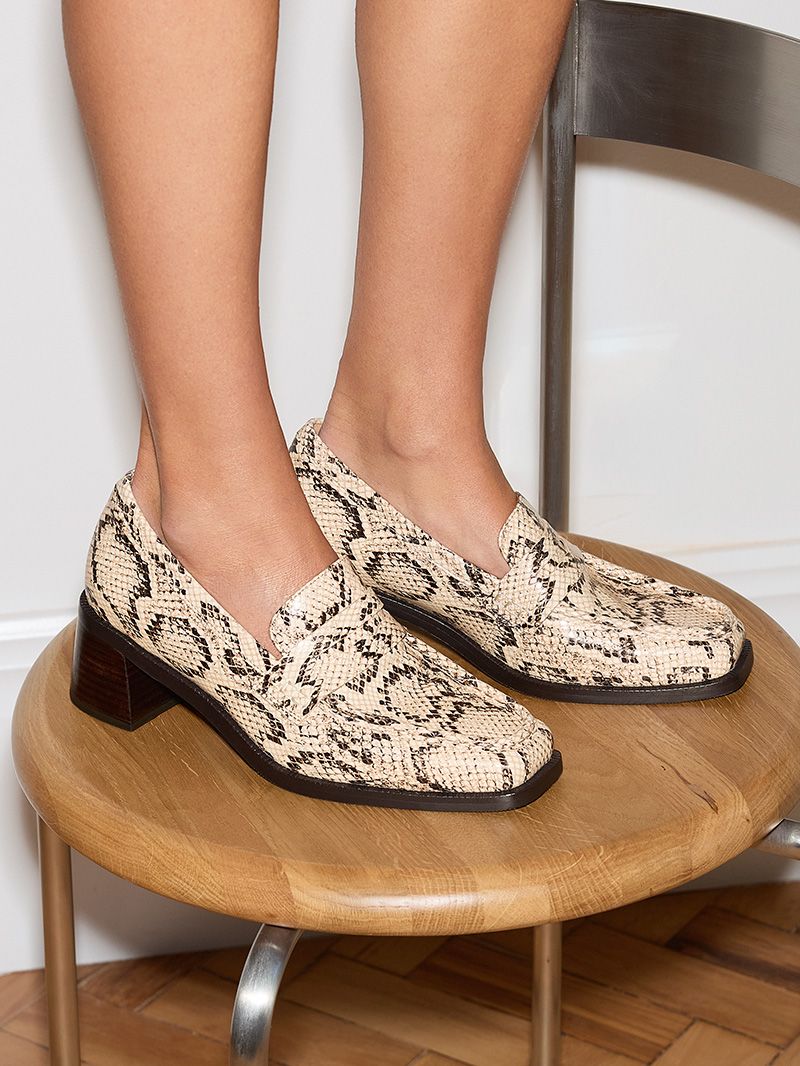
Human feet contain 26 bones, 33 joints and hundreds of muscles, tendons and ligaments evolved for complex movement patterns and ground adaptation. Conventional shoes with thick cushioning, arch support and heel elevation restrict these structures and weaken intrinsic foot muscles over time through disuse and dependency on external support systems. Bared Footwear shoes maintain natural foot structure and strengthen supporting muscles by allowing natural movement patterns and muscle engagement during daily activities. This approach reduces the risk of common foot problems including plantar fasciitis, flat feet and arch collapse that often result from years of wearing restrictive footwear and weakened foot muscles.
Ground Feedback and Balance
Your feet contain thousands of sensory receptors that provide critical information about ground surface, slope and texture. This sensory input guides balance, coordination and movement compensation throughout your entire body and lower kinetic chain. Thick, cushioned soles dampen this feedback, reducing proprioceptive awareness and balance precision during standing and movement activities. Bared Footwear thin soles preserve ground feedback while providing protection, enabling natural movement patterns and improved balance across varied terrain and environments including trails and uneven surfaces.
Key Benefits of Minimalist Footwear

- Enhanced proprioceptive awareness and balance through ground feedback and direct sensory connection to terrain and environment.
- Strengthened intrinsic foot muscles and improved arch support without artificial bracing or external support systems and devices.
- Natural foot structure preservation and reduced risk of common foot problems and injuries from shoe-induced deformation patterns.
- Lighter weight design and reduced strain on legs, knees, ankles and lower back during extended wear and daily activity.
- Improved posture and spinal alignment resulting from natural movement patterns and authentic ground contact and feedback.
Durability and Sustainable Materials
Quality barefoot shoes balance minimal material use with durability and protection for extended wear and repeated use. Bared Footwear constructs shoes using durable materials selected for longevity and environmental responsibility throughout manufacturing and design. Minimalist construction uses less material and manufacturing resources compared to conventional heavily-padded shoes, reducing environmental impact and manufacturing waste significantly. Quality construction ensures your shoes last through extended use before replacement becomes necessary, improving the economic value of each pair and reducing the frequency of shoe replacement cycles over time.
Transitioning to Barefoot Shoes
The transition from conventional to barefoot footwear requires gradual adaptation as your feet strengthen and adjust to natural movement patterns and ground contact. Beginning with limited wearing time prevents injury risk and allows foot muscles to develop gradually and safely. Bared Footwear designs shoes that support smooth transitions with natural flex and responsive soles that work with your feet rather than against them. Many users experience increased foot strength, improved balance and reduced pain within weeks of making the transition to minimalist footwear and allowing proper foot adaptation and muscle development.
Versatility Across Activities
Barefoot shoes work effectively for walking, casual daily activities and fitness pursuits requiring natural movement and ground connection. Bared Footwear offers styles suitable for different environments and seasons while maintaining the minimalist principles that define the barefoot movement philosophy. From everyday casual shoes to more specialized designs for specific activities and conditions, the collection accommodates diverse lifestyle needs without compromising foot health and natural function.
Movement Philosophy and Community
The barefoot footwear community represents a philosophical shift toward alignment with natural human design rather than reliance on technological padding and support systems. Bared Footwear supports this movement by creating shoes that respect foot anatomy and natural movement patterns. Users consistently report improved body awareness, better posture, reduced pain and greater comfort once their feet adapt to natural movement patterns enabled by minimalist footwear and restored ground connection to the earth.
Barefoot footwear represents a practical return to how human feet are designed to function and move naturally through the world.
