
Share This Article
Choosing the right lawn mower is one of the most important decisions a homeowner can make. Whether your yard is a quarter-acre postage stamp or a sprawling landscape, the equipment you select will shape how you spend your weekends for years to come. A quality mower transforms lawn care from a chore into a manageable, sometimes even enjoyable, task. The market offers countless options, each with distinct advantages for different yard sizes, terrain types and personal preferences. Investing time in understanding your options now prevents costly mistakes and ensures years of reliable service.
Understanding Mower Types and Their Best Uses
The lawn mower market divides into four primary categories push reel mowers, gas-powered push mowers, riding mowers and zero-turn radius mowers. Push reel mowers excel for small, flat yards and offer quiet operation with zero emissions, making them ideal for urban properties and noise-sensitive areas. Gas-powered push mowers handle mid-sized properties efficiently and deliver the cutting power most homeowners need for residential lawns. Riding mowers suit properties larger than half an acre and reduce physical strain on the operator, making extended mowing sessions more comfortable. Zero-turn mowers provide maximum maneuverability and speed, ideal for complex landscapes with multiple obstacles, trees and flower beds. Cub Cadet manufactures equipment across all these categories, giving buyers multiple paths to find their ideal solution.
Key Specifications That Matter Most
Cutting width determines how much grass you cover with each pass. Residential mowers range from 18 inches on push models to 60 inches or more on commercial zero-turn equipment. Wider decks finish jobs faster but require more storage space and skill to maneuver in tight areas. Engine power, measured in horsepower, should match your grass type and yard conditions. Thicker, denser grass and hilly terrain demand more engine muscle. Look for models with adjustable cutting heights to maintain grass between one and four inches, the optimal range for most residential lawns. Mulching capability chops clippings finely and returns nutrients to soil, eliminating bagging work. Bagging systems suit those who prefer pristine appearance or have heavy thatch problems.
Essential Features to Compare
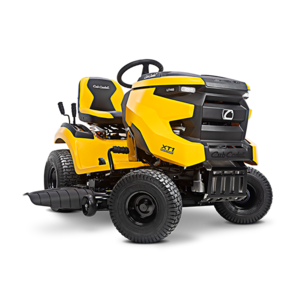
- Self-propulsion reduces operator fatigue on large properties and uneven terrain.
- Electric start eliminates pull-cord frustration and provides reliability in cold weather conditions.
- Deck construction quality determines durability; sealed decks resist rust and corrosion.
- Transmission type affects speed control and ease of operation across different grass densities.
- Ergonomic handles and seating improve comfort during extended mowing sessions.
Maintenance and Long-Term Reliability
A mower is only valuable if it starts reliably and runs smoothly year after year. Regular maintenance prevents costly repairs change the oil every 50 hours of operation, replace air filters quarterly, keep the blade sharp and winterize fuel systems before long storage. Cub Cadet equipment comes from a manufacturer with decades of experience designing machines for homeowner needs and their models feature accessible maintenance points and readily available replacement parts. This matters when you’re troubleshooting an unexpected problem in July. Proper care extends mower lifespan significantly.
Matching Your Yard Size to the Right Equipment

Quarter-acre yards and small urban lots thrive with 21-inch push mowers or self-propelled walk-behind models. These are nimble, affordable and store easily in a garage corner. Half-acre properties benefit from 42-48 inch riding mowers with comfortable seating and cup holders for long sessions. Properties exceeding one acre justify zero-turn mowers, which can reduce mowing time by 40% compared to traditional riding equipment. Always choose a mower slightly more powerful than you think necessary; extra capacity handles overgrown grass, wet conditions and hilly terrain without strain.
Fuel Efficiency and Operating Costs
Modern lawn mowers consume far less fuel than older models and Cub Cadet designs its engines for fuel economy across their range. A typical 21-inch push mower burns about one gallon per eight hours of mowing. Calculate annual fuel consumption by estimating weekly mowing sessions, most residential properties need 30-40 sessions per growing season. Electronic fuel injection on premium models ensures quick cold starts and cleaner combustion. Some operators choose mulching-only models to eliminate the cost and hassle of disposal, effectively reducing operating expenses while improving soil health.
Safety Features That Protect and Prevent Accidents
Blade brakes stop cutting decks within three seconds of disengaging the control, preventing injuries and property damage. Dead-man switches require continuous operator pressure and stop the blade immediately if you lose control or fall off. Rollover protection on riding mowers safeguards you on uneven terrain. Shields and guards keep debris contained and hands away from spinning blades. Every year, thousands of homeowners suffer preventable lawn mower injuries, choosing equipment with comprehensive safety systems isn’t about comfort, it’s about protecting your family. Cub Cadet builds safety into every model in their lineup.
Making Your Final Decision
Test-drive equipment before buying if possible; feel the controls, assess comfort and notice build quality. Check warranty terms and manufacturer support, longer coverage indicates confidence in durability. Read owner reviews focusing on common problems and long-term satisfaction rather than one-off complaints. Compare prices across retailers to ensure you’re getting fair value. Cub Cadet offers trusted options across budget ranges with strong dealer networks for service and parts.
Your lawn mower is an investment in home maintenance and weekend enjoyment. Choose wisely, maintain diligently and you’ll have reliable equipment for a decade or more.
