
Share This Article
Grocery shopping represents one of the largest controllable household expenses, yet most families never optimize their approach to food purchasing. Building meal plans around available sales rather than planning meals first creates dramatic cost reductions without requiring complicated systems. Strategic grocery shopping requires only basic planning, store knowledge and willingness to adjust meal preferences slightly based on what’s on sale. Families implementing these approaches report 20-30 percent grocery cost reductions within months while often eating higher quality food than previous free-form shopping produced.
Understanding Your Store’s Sales Patterns
Every grocery store follows recurring sales patterns, certain products go on sale the same week monthly or seasonally. Tracking sales for just two weeks reveals patterns enabling purchasing prediction. Woolworths advertises weekly specials; planning around these materials builds meal plans matching available sales. Proteins typically rotate through sales cycles, planning chicken meals when chicken goes on sale prevents paying full price. Produce sales follow seasonal availability, shopping what’s currently on sale ensures peak freshness at lowest prices. Building meal planning around sales requires flexibility but delivers consistent value. Many stores provide price history online allowing customers to track when specific items typically go on sale, enabling strategic purchasing at predictable intervals.
Essential Meal Planning Principles
- Theme nights, taco Tuesday, pasta night, stir-fry night, provide structure while allowing ingredient flexibility.
- Build meals around sale proteins rather than planning specific recipes then searching for ingredients.
- Batch cooking larger quantities during sales provides meals for multiple days with minimal additional effort.
- Maintaining a pantry staple list ensures basics always available for creating meals around sale proteins.
Building Pantry Staples for Flexible Cooking
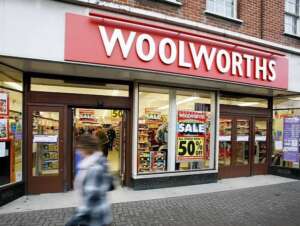
A well-stocked pantry enables building complete meals around whatever proteins or produce go on sale. Oil, vinegar and basic spices provide cooking foundation across cuisines. Pasta, rice and dried beans offer base ingredients for meal completion. Canned tomatoes, broths and basic sauces enable quick meal assembly. Freezer space for bulk chicken, ground beef and vegetables purchased on sale extends savings. Investing modest initial effort in pantry building pays dividends through months of reduced grocery costs and meal planning simplicity. Woolworths sales on pantry staples enable building inventory affordably. Building pantry confidence, knowing exactly what you have and what you can make with it, transforms shopping from reactive to proactive decision-making.
Managing Produce Freshness on a Sale-Driven Schedule
Buying produce based on sales rather than specific meal plans requires managing perishability. Meal planning that uses longer-storage produce early in the week and shorter-storage items later prevents waste. Freezing excess produce at peak freshness extends usability for cooking. Choosing produce requiring minimal preparation when busy prevents spoilage from good intentions. Learning which produce stores well, carrots, potatoes, onions, versus which needs immediate use prevents waste. Understanding ripening patterns allows purchasing slightly underripe produce that develops over days, extending usability windows.
Bulk Buying Strategies Without Waste

Bulk purchasing on sale provides savings only if items actually get used. Calculate typical usage before buying large quantities. Freezing proteins and produce prevents spoilage while maintaining value. Sharing bulk purchases with friends or family enables buying larger quantities for better prices. Short-term meal planning after bulk purchases ensures purchased items integrate into menus quickly. Woolworths bulk items when on sale provide excellent value when storage and usage planning exist. Understanding your family’s actual consumption rates prevents purchasing quantities that exceed realistic usage.
Teaching Family Members About Sale-Based Planning
Involving family members, especially children, in meal planning around sales builds lifelong smart shopping habits. Having children choose meals from available sales creates investment in eating those meals. Teaching teens basic cooking enables them to prepare planned meals. Making sales circular review a family activity builds awareness of spending patterns. Family discussion of favorite meals and how to create them around available sales teaches optimization thinking. Children learning early that strategic shopping and planning deliver rewards develop financial competence extending beyond grocery shopping into all consumer decisions.
Leveraging Loyalty Programs While Shopping Sales
Store loyalty programs often provide additional discounts on already-sale items, multiplying savings. Digital coupons combine with loyalty discounts for dramatic reductions. Checking app before shopping reveals surprise discounts on items you already planned. Building shopping around available loyalty and sale discounts compounds savings beyond either strategy alone. Loyalty points accumulate toward future purchases, effectively providing additional discounts for consistent shopping patterns.
Adapting Favorite Recipes to Available Ingredients
Flexibility with recipes enables building meals around sale ingredients rather than limited by specific recipes. Stir-fries, soups, casseroles and pasta dishes work with whatever vegetables go on sale. Substituting meat types in recipes, using pork instead of beef in a braise, adapts family favorites to current sales. Building cooking confidence enables recipe adaptation that tight recipe followers cannot achieve. Learning basic cooking techniques enables creating meals intuitively rather than strictly following recipe instructions.
Strategic grocery shopping built on sales cycles and flexible meal planning transforms food budgets without requiring restrictive dieting or sacrifice. Families implementing these approaches eat healthier, more varied diets while reducing costs dramatically. The investment in learning sales patterns and building planning skills pays dividends through years of reduced spending and less shopping stress.
