
Share This Article
Grocery shopping represents one of the largest regular expenses in most households, yet it’s also one of the easiest places to control your spending with thoughtful strategy. The difference between rushed, impulse-driven shopping and intentional, planned purchases can amount to hundreds of dollars monthly. Giant Food and similar retailers understand this dynamic, offering loyalty programs and sales that reward informed shopping. Learning to navigate grocery stores effectively ensures your family eats well without financial strain or waste.
Plan Before You Shop
The foundation of smart grocery shopping begins at home with meal planning. Before entering the store, map out your meals for the week and identify exactly what you need. This single step transforms shopping from a vague, open-ended task into a targeted mission. When you know precisely what you’re buying, you’re less likely to grab unnecessary items or fall for promotional displays designed to encourage impulse purchases. Giant Food becomes more efficient when you’ve pre-planned and you can take advantage of their weekly specials that align with your meal ideas, turning promotional timing into an advantage.
Master the Art of List-Making
A detailed shopping list is your best tool for avoiding overspending and food waste. Write down every item you need, organized by store section, produce, dairy, proteins, pantry staples, so you can move efficiently through the aisles without backtracking. Reviewing prices online before shopping reveals where to find the best deals on your staples. Many retailers, including quality grocery chains, publish weekly ads that you can review in advance to plan your purchases strategically. Your list keeps you accountable and prevents casual browsing that inflates checkout totals. Including prices on your list helps you track spending and notice when items are marked up versus when they are on promotion.
Understand Price Per Unit
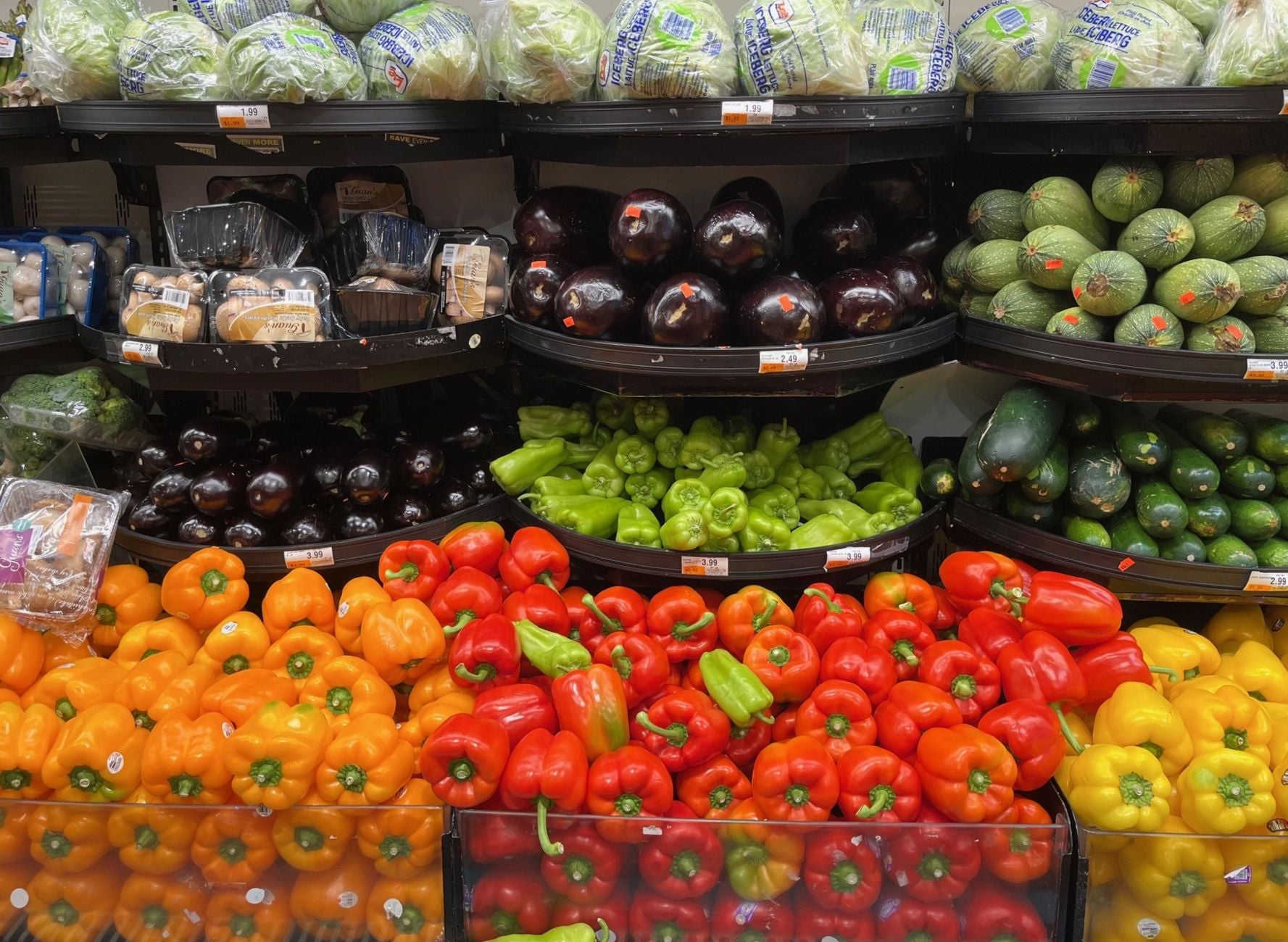
One of the most valuable skills in grocery shopping is comparing unit prices rather than focusing on package prices alone. A larger package might seem more economical initially, but sometimes smaller sizes offer better value, particularly if you won’t use the full quantity before expiration. Unit pricing, the cost per ounce, pound or serving, reveals true savings. Most modern grocery stores display unit prices on shelf tags, making comparison straightforward and accessible. Bulk buying works only if you’ll actually use the product before it expires and spoils. Giant Food taking time to compare unit prices on comparable products can save significant money monthly, particularly on staples you purchase regularly.
Leverage Store Loyalty Programs
Nearly every major grocery retailer offers loyalty programs that provide genuine discounts to members. These programs track your purchases and offer personalized deals on products you actually buy, not generic promotions. Signing up costs nothing and often yields immediate coupons or discounts on your first purchase. Loyalty programs also aggregate your spending to unlock additional rewards and exclusive sale pricing. Some programs offer fuel rewards, pharmacy benefits or special member-only events. Using these programs strategically means you’re capturing savings on every shopping trip without extra effort. Giant Food , rewarding regular shoppers and making bulk purchases on sale items even more economical.
Shopping Strategies for Maximum Savings
Strategic timing matters significantly in grocery shopping success. End-of-week sales help retailers clear inventory before restocking, so shopping late in the week often reveals markdowns on perishables. Understanding your store’s promotional cycle, which products go on sale at predictable intervals, lets you stock up strategically on items you know you’ll use. Shopping during off-peak hours also reduces the temptation to linger and make impulse purchases. Early morning or late evening shoppers encounter fewer distractions and move more efficiently through the store. Checking sales flyers before visiting ensures you capture advertised specials and can adjust your list accordingly.
Fresh Choices and Seasonal Selections
Seasonal produce costs less because supply is abundant and transportation distances are shorter. Choosing what’s currently in season means better prices and better quality throughout the year. Winter squash, root vegetables, citrus and cold-weather greens offer exceptional value during their peak seasons. Farmers’ markets and produce sections often feature prominent seasonal displays at the best prices. Learning to cook with seasonal ingredients expands your culinary skills while reducing costs naturally.
Essential Grocery Shopping Principles
Smart grocery shopping becomes easier when you adopt these core principles
- Plan meals weekly to ensure every purchase serves a purpose and prevents waste.
- Compare unit prices rather than package sizes to identify genuine savings opportunities.
- Use loyalty programs consistently to accumulate discounts and personalized offers.
- Shop seasonally for produce to maximize freshness and minimize costs naturally.
Building Savings into Your Shopping Routine

Smart grocery shopping becomes easier with practice and intention. Each trip builds your understanding of pricing patterns, store layouts and where genuine savings hide. Whether you’re budget-constrained or simply prefer maximizing your money, these strategies apply universally. Over time Giant Food , deliberate shopping reduces waste, improves meal quality and frees resources for other priorities. Your grocery budget deserves the same careful management as any major household expense. Start implementing these approaches on your next shopping trip and notice the cumulative impact on your finances.
