
Share This Article
Grocery shopping represents one of the largest recurring expenses for household budgets. Families spend thousands annually on food and seemingly small inefficiencies compound into substantial waste over months and years. The difference between thoughtful shopping and casual purchasing can reach hundreds or thousands of dollars per year. Smart shopping strategies transform this necessary expense into an opportunity for significant savings without requiring complex calculations or extreme sacrifice. Modern grocery retailers offer tools and programs specifically designed to help shoppers reduce costs while maintaining quality and nutritional value in their purchases.
Understanding Food Pricing Dynamics
Grocery prices fluctuate based on multiple factors including season, supply chain efficiency and competitive pressure. Savvy shoppers recognize that prices for the same product vary substantially across different retailers and change within a single store over weeks and months. Unit pricing, the cost per pound or per ounce, reveals true value more accurately than package size alone. Sales cycles follow predictable patterns, with seasonal items featuring lowest prices at their peak availability and highest prices during off-season months. GiantFood employs competitive pricing strategies that reward informed shopping, often matching competitors’ prices and offering specialized discount programs for dedicated shoppers.
Leveraging Digital Tools and Programs
Modern grocery retailers provide digital resources that make strategic shopping more accessible than ever. Mobile applications from chains like Giant Food allow shoppers to review digital ads, compile custom lists and locate products within the store. Digital coupon programs automatically apply discounts at checkout without requiring paper clipping or scanning. Loyalty programs track purchases and provide personalized recommendations based on your actual shopping history. Price-matching guarantees prevent the need to visit multiple stores when comparing for best values. These digital tools eliminate traditional barriers to comparison shopping and coupon usage. Shoppers can leverage them quickly during planning phases, transforming technology that once served retailers into a tool that empowers consumers to make better-informed purchasing decisions.
Strategic Meal Planning and Preparation
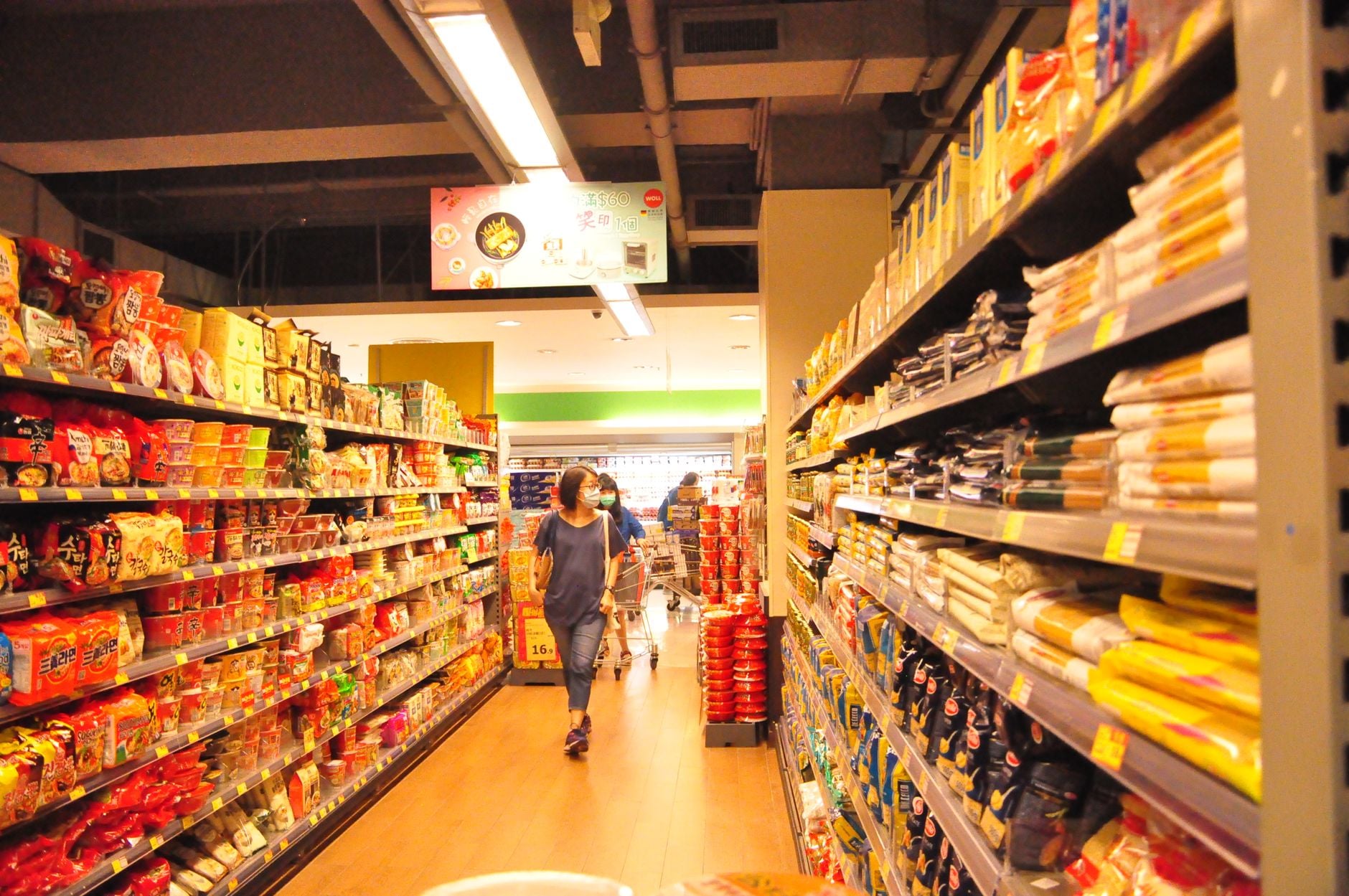
Meal planning represents the foundational strategy for grocery savings. Households that plan menus before shopping purchase only what they need, while spontaneous shopping leads to excess and waste. Planning also reveals opportunities to use seasonal ingredients at their cheapest prices. Bulk proteins purchased when prices dip can be portioned and frozen for gradual use. Seasonal produce available at farmers markets or during peak harvest periods offer superior value compared to off-season imports. Batch cooking on a single day reduces both cooking time throughout the week and energy consumption. GiantFood locations support these strategies by offering quality ingredients, storage space information through their app and sales calendars that help shoppers plan around promotions.
Brand Comparison and Store Brands
National brands command premium pricing through marketing and packaging investments. Store brands, manufactured by the same facilities but distributed exclusively by retailers, offer identical products at lower costs. Blind taste tests consistently show consumers cannot distinguish between many store-brand and name-brand products, yet price differences reach 30-50%. Switching to store brands for staples represents one of the easiest high-impact savings strategies. Certain categories like electronics or specialized dietary items may warrant brand consideration, but staples including rice, pasta, beans, canned vegetables and basic condiments offer opportunities for substantial savings through smart brand selection. Shopping strategically across categories optimizes savings where value remains consistent while maintaining flexibility for genuine preference items. giantfood
Shopping Schedules and Loss Leaders

Successful shoppers study retailer promotional cycles, often featured in weekly ads mailed or emailed to customers. Grocery chains use loss leaders, products sold below cost, to attract shoppers who then purchase full carts of regular-priced items. Shoppers who plan purchases around these promotions gain dramatically improved prices. Proteins often feature as loss leaders, offering particularly valuable discounts. Timing major purchases around promotions, then storing surplus appropriately, creates purchasing power that competitors struggle to match. Digital ads from retailers reveal upcoming sales, allowing weeks of advance notice for planning. GiantFood publishes weekly circular ads both online and in print, making it easy to incorporate promotional timing into shopping plans.
Waste Reduction and Storage Efficiency
Food waste directly undermines savings since discarded items represent pure expense with zero household benefit. Proper storage extends shelf life for most foods, multiplying the value extracted from each purchase. Understanding expiration dates, learning freezing techniques for surplus perishables and organizing refrigerators to use older items first prevents costly waste. Households that reduce waste find they spend less money yet enjoy better nutrition since fresher ingredients typically feature higher nutritional density than long-stored items. Composting unavoidable organic waste transforms waste into garden resources rather than landfill contributions. These practices align financial benefits with environmental responsibility, creating household systems that serve multiple purposes simultaneously. giantfood
- Store brands typically cost 20-50% less than national brands while maintaining equivalent quality and nutritional value.
- Buying proteins, grains and frozen vegetables in bulk yields per-unit costs substantially lower than convenience packaging.
- Digital coupon programs automatically apply during checkout without paper collection or scanning requirements.
- Shopping seasonal produce and planning menus around sales cycles provides dramatically better pricing than spontaneous purchasing.
- Regular meal planning prevents impulse purchases that exceed budgets and reduces food waste through intentional consumption.
Transforming grocery shopping from a necessary chore into a strategic practice offers tangible financial benefits without requiring extreme lifestyle changes. Small adjustments including menu planning, brand awareness and shopping timing compound into significant annual savings. Families that embrace these approaches find additional benefits beyond reduced expenses, including better nutrition from deliberate choices, reduced food waste and the satisfaction of optimizing household efficiency. Smart shopping turns one of life’s unavoidable expenses into an opportunity for both financial and personal improvement.