
Share This Article
Choose Silhouettes by Role
A shirt can move between work, travel and casual dressing when the silhouette suits more than one setting. A crisp tailored shirt works naturally with trousers and jackets, while a softer relaxed cut can be worn open over a vest or tucked into denim. The Shirt Company focuses on women’s shirts and blouses designed in London across classic, tailored, relaxed and more decorative shapes, which makes silhouette a practical starting point for a versatile wardrobe.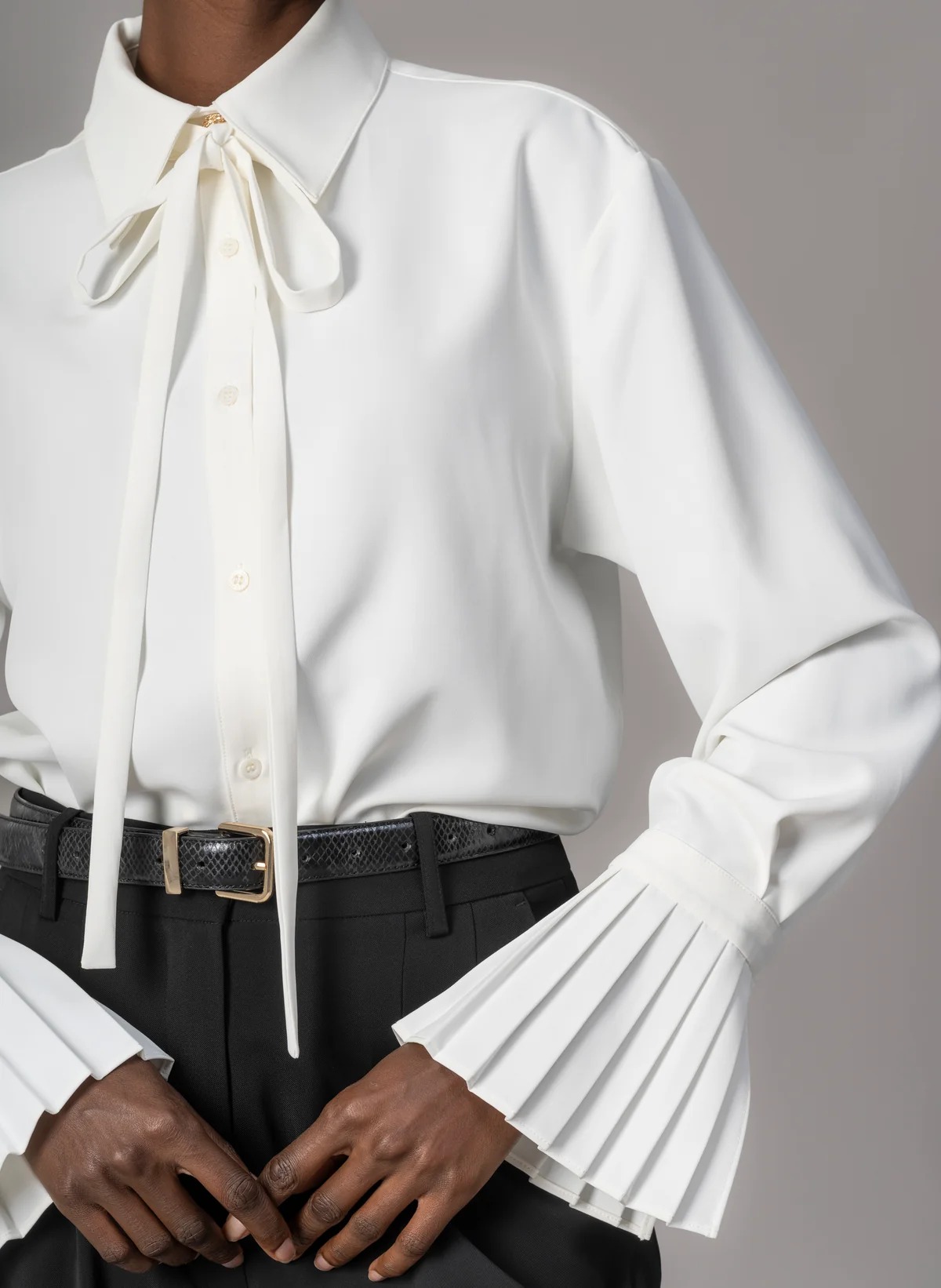
The wearer should think about how much structure is needed. A sharply tailored shirt can create a clean line under a blazer, while a jersey or softer cotton style may feel more comfortable for long days. Sleeve length, collar shape and hem length affect whether a shirt can be tucked, layered or worn loose without constant adjustment.
Fit should be judged through movement rather than only through a mirror. The wearer should sit, reach forward and raise the arms to check whether the shirt pulls across the back or chest. A garment that looks polished while standing but restricts ordinary movement is unlikely to become a repeat-wear piece.
Use Fabric to Control Formality and Comfort
Cotton poplin, sateen, Oxford cloth and stretch jersey each create a different balance of structure and softness. The Shirt Company uses these fabrics across its collections, allowing the same basic shirt idea to range from crisp office dressing to relaxed everyday wear. A wardrobe can become more flexible when it includes two or three fabric types rather than several shirts that all behave the same way.
Poplin tends to give a clean surface and defined shape, while sateen can feel smoother and slightly more polished. Oxford fabric usually reads more casual, and jersey can add stretch and comfort. The wearer should also consider climate and layering. A breathable shirt that fits easily under knitwear may be more useful across seasons than a highly structured piece reserved for occasional meetings.
Color can work the same way. White and pale blue are easy foundations, but stripes, deeper colors and subtle texture can keep the wardrobe from feeling repetitive. A shirt does not need to match every item in the closet. It should connect with enough trousers, skirts, denim and knitwear to justify regular use.
Layering provides another test of a shirt’s usefulness. A shirt that fits perfectly on its own may feel restrictive beneath a jacket if the sleeves or shoulder seams bunch. Conversely, a very loose shirt may create excess fabric under fine knitwear. Trying the garment with common layers can reveal whether it belongs in the working wardrobe. Hem shape matters too. Curved hems may look polished when untucked, while longer tails can be useful for secure tucking. These details often determine whether the same shirt can move between office dressing, travel and casual weekends without constant restyling.
Checks Before Adding Another Shirt
- The wearer should identify whether the wardrobe needs a tailored, relaxed, jersey or statement silhouette.
- A The Shirt Company shirt should be checked for fabric, fit notes and size guidance rather than chosen from the product photograph alone.
- The shirt should work with at least several existing bottoms or layers so it does not require a new outfit around it.
- Care instructions should fit the wearer’s normal laundry routine and tolerance for ironing or special handling.
- Buttons, seams and cuff details should be inspected after washing so small maintenance issues can be addressed early.
Style One Shirt in Several Directions
The easiest way to test versatility is to style the same shirt three ways. Someone wearing The Shirt Company can pair a tailored white shirt with trousers for work, wear it open over a fitted top with denim at the weekend and layer it beneath a knit when the weather changes. Repeating the same garment in different proportions creates variety without expanding the wardrobe unnecessarily.
Accessories can shift the mood further. A belt can define the waist, rolled sleeves can soften a formal silhouette and jewelry can move a simple shirt toward evening. The wearer should avoid forcing every styling trick onto one outfit. One or two changes are usually enough to make the shirt feel different while preserving the quality of the cut.
A useful shirt wardrobe is built around repeat wear rather than constant replacement. The Shirt Company offers a focused range of women’s shirts, blouses and shirt dresses, but the strongest collection is still edited. When silhouette, fabric and styling options are chosen deliberately, a small group of shirts can move comfortably between professional and casual settings throughout the year.
Rotation also matters. Wearing the same shirt several times a week without enough recovery between washes can accelerate collar and cuff wear. A small rotation of dependable shirts allows laundering to follow the care label rather than urgency. Proper hangers, fully dried garments and prompt stain treatment can preserve shape and color so the wardrobe remains polished without needing frequent replacement.