
Share This Article
Choose the Camera Around the Type of Footage
Action cameras vary widely even when they share similar resolution numbers. A cyclist needs stable wide-angle footage and reliable mounts, while a traveler may care more about compact size, simple handheld control and battery life. SJCAM offers professional, pocket and budget action camera ranges alongside body cameras and accessories, so the most useful comparison begins with the recording situation rather than with the highest specification on the page.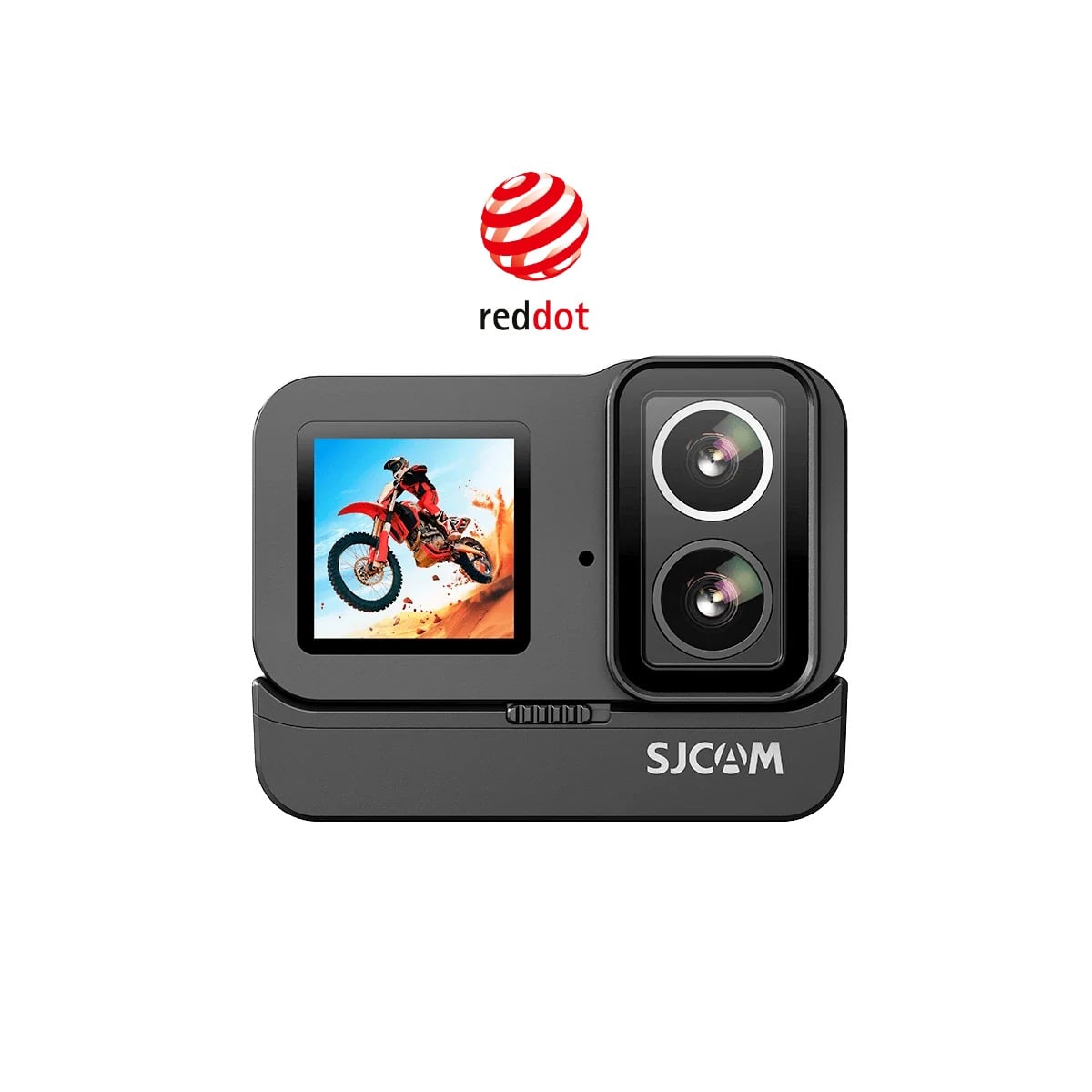
Resolution matters, but frame rate and stabilization often have a larger effect on action footage. Fast movement can look smoother at higher frame rates, while strong stabilization can make handheld or helmet footage easier to watch. A creator should decide whether the final video is intended for quick social clips, longer travel edits or high-detail landscape footage before choosing a camera that generates very large files.
Size changes how often a camera is carried. A compact model can work well for point-of-view recording or casual travel because it is less intrusive, while a larger dual-screen camera can be easier to frame when the user appears in the shot. Weight should also be considered when the device will be mounted on a helmet or chest for long periods.
Plan Mounts and Power at the Same Time
A camera becomes useful only when it can be positioned safely. The SJCAM accessory range includes mounts, clips, batteries, chargers and protective equipment for activities such as biking, motorcycling, diving and travel. A buyer should select the camera and the mounting system together so an otherwise suitable model does not create extra cost or awkward adaptation later.
Battery planning depends on recording style. Continuous high-resolution video uses more power than short clips, and cold weather can reduce battery performance. A traveler may need spare batteries or a charging plan, while someone recording near a vehicle can have more regular access to power. Memory cards should also be sized for the chosen resolution and formatted according to the camera guidance.
Waterproof claims require careful reading. Some cameras are designed for direct water exposure to a stated depth, while others need a separate housing. Salt water, sand and chlorine can still require rinsing and drying after use. A protective case should not be treated as permission to ignore seals, doors or damaged gaskets.
Audio is another part of action footage that is easy to overlook. Wind can overwhelm built-in microphones, while waterproof housings can change the sound further. A creator who needs clear speech may have to plan an external microphone solution or record voice separately, depending on model compatibility. Framing should be tested as well because very wide lenses can make subjects appear farther away than expected. A short test clip before the main activity can confirm stabilization, field of view, exposure and audio before hours of footage are captured with an avoidable setting problem.
Checks Before an Outdoor Recording Day
- The battery should be charged and the memory card should have enough free space for the planned recording time.
- A SJCAM mount should be tightened securely and tested in a safe area before the camera is exposed to speed or vibration.
- Lens surfaces and protective housings should be clean so fingerprints or water spots do not ruin otherwise usable footage.
- Recording settings should be confirmed before the activity starts so the user is not changing menus while moving.
- Important clips should be backed up after the session rather than left only on a removable memory card.
Keep the Workflow Simple Enough to Repeat
A complicated camera kit can reduce spontaneous use. SJCAM models such as compact pocket cameras, dual-screen action cameras and higher-performance units support different workflows, but a traveler usually benefits from choosing a small set of dependable accessories. One main mount, one handheld option and a realistic charging kit can cover more situations than a bag full of rarely used adapters.
After recording, files should be organized by date or activity before they accumulate. Short clips can be reviewed on the same day, obvious mistakes deleted and important footage copied to another device. Firmware and app updates should be handled before a trip rather than immediately before a planned activity, when an unexpected change can disrupt familiar controls.
The best action camera setup is one that matches the activity and remains easy to carry. SJCAM provides choices across compact and advanced categories, but practical recording depends on stabilization, mounting, power and file management working together. A balanced kit lets the user focus on the experience instead of constantly adjusting equipment.
A travel kit should also protect the camera between shoots. Lens caps, a compact padded case and a dry cloth can prevent the small scratches that slowly reduce image quality. Batteries should not be left loose beside metal objects, and memory cards should stay in a case where they cannot bend or disappear. Simple protection is especially valuable when the camera moves between a backpack, vehicle and hotel room several times a day.