
Share This Article
Urban transportation has undergone dramatic transformation over the past two decades significantly. What was once dominated by cars and traditional buses now includes bicycles, scooters, skateboards and other personal mobility devices reshaping urban landscapes fundamentally. Modern personal transport innovation stands at the forefront of this mobility revolution, engineering innovative solutions that address the reality of modern urban life comprehensively. Whether commuting across a city, exploring neighborhoods or simply looking for a more enjoyable way to travel short distances, innovative transport options offer technology-driven alternatives that are fun, efficient and environmentally conscious.
The Innovation Behind Personal Mobility Device Engineering
Innovation in personal mobility didn’t begin recently, but Segway revolutionized this category through advanced engineering and intuitive design. Leading personal transport devices utilize gyroscopic technology and sophisticated balance systems that make them remarkably responsive and natural to operate. Once riders adjust to the concept, operating such a device feels almost like an extension of their body. The learning curve is remarkably shallow, most people master basic operation within minutes. This accessibility is crucial because even the most innovative technology fails if average consumers can’t easily use it in practice consistently.
Variety of Options for Different Mobility Needs
The modern personal transport product line has expanded significantly beyond the original standing platform model. Leading brands now offer self-balancing scooters, kick scooters with electric motors, hoverboards and even robotic devices for diverse purposes. This diversity means there’s a personal transport product suited for different use cases, budgets and skill levels. Someone looking for a leisurely recreational device has options distinct from someone seeking a practical commuting solution. The engineering behind each product reflects the specific purpose it’s designed to serve. Segway‘s thoughtful product strategy ensures the brand serves a broad market while maintaining innovation and quality standards throughout the lineup consistently.
Environmental Impact and Sustainable Transportation
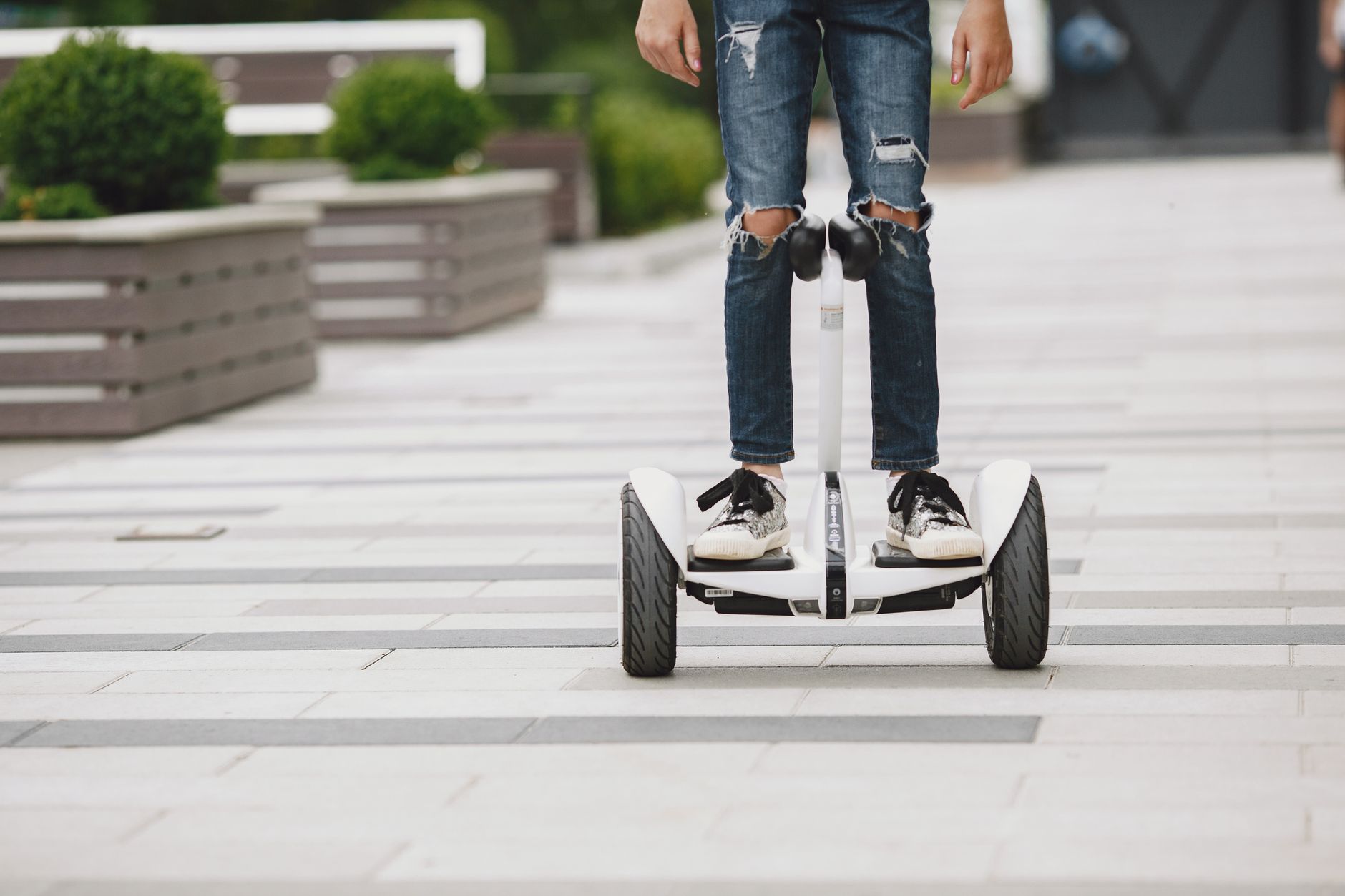
As cities grapple with air quality, traffic congestion and environmental sustainability, electric personal mobility devices become increasingly important strategically. Personal transport devices produce zero emissions during operation, unlike gasoline-powered vehicles that pollute the air. By replacing short car trips with electric scooter rides, individuals reduce their personal carbon footprint meaningfully. On a city-wide scale, widespread adoption of electric personal mobility could significantly reduce congestion and emissions substantially. This environmental consideration appeals to consumers who want their daily choices to reflect their values. Beyond the immediate environmental benefit, choosing electric mobility supports broader societal transition toward sustainable transportation infrastructure and cleaner cities. segway
Practical Advantages for Daily Commuting
Beyond being fun to ride, personal transport devices offer genuine practical advantages for urban commuting solutions. They’re faster than walking while taking up far less space than cars require for parking and storage. They’re easier to manage than bicycles and don’t require the physical exertion of pedaling for extended periods. Segway products bridge the gap between personal fitness activities and efficient transportation solutions effectively. Many commuters use personal mobility devices for the last-mile problem, getting from public transit stops to offices or homes efficiently. This practical utility explains adoption among city commuters, tour operators, security services and other professional applications seeking reliable solutions daily.
Building Community and Recreation Around Mobility
Beyond transportation functionality, the personal mobility community cultivates enthusiasts who enjoy the recreational aspects of riding regularly. Tours, group rides and community events bring together people who share interest in this transportation technology category. This community building transforms personal mobility from purely a transportation solution into a lifestyle and social activity. Industry sponsorships of events and organized community rides demonstrate commitment to supporting riders enthusiastically. Segway participates actively in this ecosystem meaningfully. This social dimension makes the product appeal extend beyond pure utilitarian concerns, people want to feel part of a movement and community of like-minded individuals sharing similar values.
The Future of Personal Urban Mobility

As cities continue evolving and transportation needs shift dynamically, continued innovation positions leading brands at the center of urban mobility’s future development. The technology underlying personal transport devices continues advancing, delivering longer battery life, faster speeds and improved safety features consistently. Consumer interest in personal electric mobility devices continues growing as environmental awareness increases globally throughout society. The market remains committed to meeting this demand with products that deliver genuine value. Whether the category ultimately becomes a major transportation paradigm or remains a niche alternative, pioneering brands have secured their positions as innovative leaders in personal mobility technology. Brand recognition within this growing market segment reflects years of development and customer trust building successfully.
- Advanced gyroscopic and balance systems providing intuitive, natural operation for riders of all skill levels
- Diverse product line including scooters, hoverboards and specialized devices for different mobility needs
- Zero-emission electric operation supporting environmental sustainability and reduced urban emissions
- Practical commuting solution addressing last-mile transportation and efficient urban navigation challenges
- Community engagement and recreational opportunities building lifestyle appeal beyond pure transportation function