
Share This Article
Career changes are no longer rare exceptions but increasingly common paths that professionals take throughout their working lives. Whether driven by changing interests, evolving job markets, economic necessity or the desire for greater fulfillment, career transitions represent major life decisions that require careful planning and skill development. The traditional approach to changing careers often meant returning to school for years, accumulating debt and stepping backward professionally. Online education has fundamentally altered this landscape, enabling career transitions that happen faster, cost less and maintain professional momentum. With access to industry-relevant training from established platforms, career switchers can acquire necessary skills while maintaining their current income, making dramatic professional pivots feasible for working adults.
The career landscape has transformed dramatically over the past two decades, with technological change, automation and market shifts creating both challenges and unprecedented opportunities for professional growth. Udemy exemplifies how modern online education enables rapid skill acquisition for career changers at every stage. Whether you’re a parent returning to the workforce, a professional seeking new challenges, someone leaving an unsatisfying industry or a recent graduate exploring options, structured online learning provides the pathway to meaningful career change. The platform democratizes access to the training that gates professional entry, allowing motivated individuals to compete for positions that previously required expensive degree programs or insider connections. Today’s career changers have unprecedented advantages, yet they must navigate intelligently to maximize their transition success.
Why Now Is the Right Time for Career Change
Several factors converge to make career changes more viable today than ever before. Remote work expansion means geographic location no longer constrains career opportunities, opening fields previously unavailable to many. Employer attitudes toward non-traditional backgrounds have shifted, with many companies prioritizing demonstrated skills over formal credentials. The shortage of qualified talent in many fields creates demand that favors determined career changers willing to acquire new capabilities. Economic uncertainty makes skill diversification attractive, reducing dependency on a single industry vulnerable to disruption. Most importantly, online education makes acquiring new expertise genuinely accessible to working professionals without requiring years away from earning. Udemy and similar platforms have compressed the timeline for professional transition from years to months, fundamentally changing who can afford to change careers.
Identifying Your New Career Direction
Successful career transitions begin with honest self-assessment about what you want from your next chapter. Consider what aspects of your current work frustrate you and what environments energize you. Reflect on your natural abilities, not just those you’ve developed professionally. Research fields that align with your values, offer growth potential and provide income sufficient for your needs. Informational interviews with professionals in target fields reveal realities that job descriptions omit. Online assessments can identify strength patterns and compatible career paths. The research phase requires time but saves years wasted pursuing unsuitable directions. Once you’ve identified a promising field, exploring specific role requirements clarifies the skills gap between where you are and where you want to be. Only then should you begin targeted skill development.
Strategic Skill Development for Career Transitions
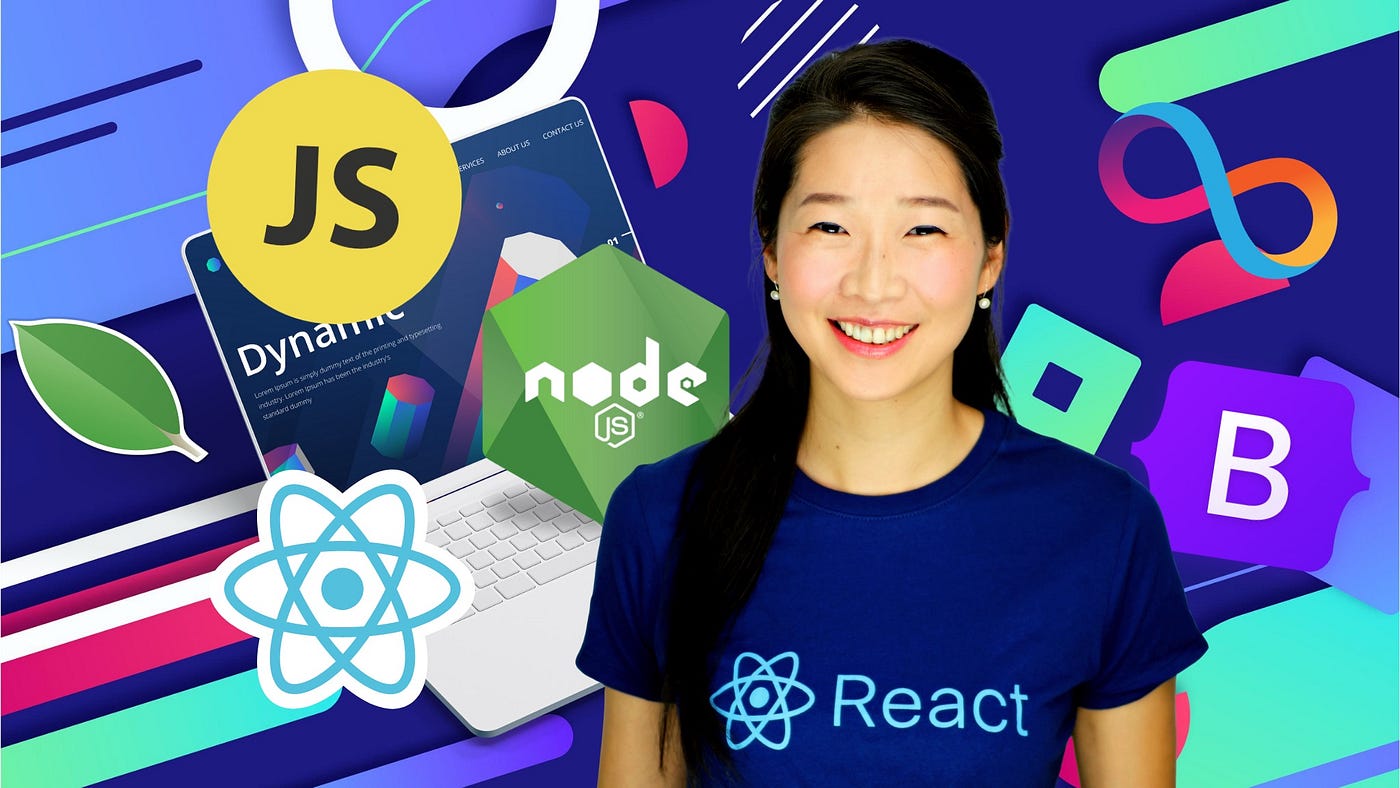
- Identify core technical skills required for your target position and prioritize learning those first.
- Develop domain-specific knowledge through courses that teach actual job responsibilities and industry practices.
- Build soft skills like communication and project management that transfer across industries.
- Create a portfolio demonstrating your new capabilities through projects, certifications or freelance work.
- Access mentorship and networking through Udemy communities and professional groups in your target field.
Accelerating Your Learning Timeline
Career changers often feel time pressure because they’re investing learning effort while maintaining current employment. Efficient learning strategies become essential. Concentrated study during defined periods produces better results than sporadic scattered learning. Selecting high-quality courses taught by practitioners saves time compared to meandering through mediocre options. Completing one course fully before starting another builds competence faster than juggling multiple incomplete courses. Setting deadlines for skill acquisition creates accountability and progress momentum. Project-based learning where you apply skills immediately to real problems accelerates comprehension beyond passive content consumption. Udemy enables this focused approach, providing courses specifically designed for rapid skill acquisition without prerequisite dependencies. Career changers who approach their education strategically can acquire job-ready capabilities in three to six months rather than the years traditional education requires.
Building Credibility in Your New Field
Employers hiring career changers want evidence that you’ve genuinely developed capability, not merely watched instructional videos. Certifications provide third-party validation of your skills and commitment. Creating a portfolio of actual work, even if created as learning projects, demonstrates applied competence. Contributing to open-source projects, writing technical blogs or freelancing on smaller projects proves you can execute real responsibilities. Speaking at meetups or writing case studies about your learning journey builds visible expertise. Completed courses alone rarely suffice; employers want evidence of practical ability. This is where career changers must be more intentional than degree holders, deliberately constructing visible proof of capability. Udemy courses with certificates and completion credentials provide foundational credibility, but supplementing with portfolio projects and real-world application distinguishes career changers who land positions from those who remain perpetually job-seeking.
Networking Your Way Into Your New Career
Career changes succeed faster through intentional networking that builds relationships within your target field. Online communities, professional associations and industry meetups connect you with established professionals who can provide guidance, mentorship and eventually job leads. Informational interviews where you ask professionals about their paths and experience provide both knowledge and relationship building. Many career changers secure positions through connections developed during their learning journey. Building visibility as someone genuinely committed to entering a field, through participation in communities, thoughtful questions and visible learning, creates opportunities. LinkedIn activity highlighting your learning journey signals serious intent to recruiter and hiring managers. Networking amplifies the impact of your skills development, ensuring the right people know what you’re learning and why. Udemy community features facilitate some networking, but deliberate outreach to your target field’s professional community provides the relationship foundations essential for career transition success.
Managing the Transition to Your New Career
The actual moment of career change varies tremendously depending on your situation. Some people transition gradually, starting as freelancers or part-time consultants in their new field while maintaining primary income. Others make abrupt transitions, leaving established careers for entry-level positions in new fields. Still others negotiate transitions within their current organization, moving into new departments or roles that leverage newly acquired skills. There is no single right path; the best approach depends on your financial security, risk tolerance and the opportunities available in your target field. Planning your specific transition path, including timeline, income needs and intermediate steps, provides clarity when making major decisions. Many successful career changers adopt a hybrid approach, freelancing or contracting in their new field while building the experience and reputation needed for full-time roles. The flexibility that online education provides extends to career transition timing, allowing you to move when conditions align rather than according to academic calendars.
Overcoming Common Career Change Obstacles
Career changers face predictable challenges self-doubt about whether they’re making the right decision, imposter syndrome about competing with those trained in the field, concern about age or experience gaps and anxiety about financial disruption. These feelings are normal and manageable. Connecting with others undertaking similar transitions reduces isolation and provides perspective. Remembering that you bring valuable strengths from your previous career, different problem-solving approaches, diverse experience, established professional skills, balances concerns about gaps. Starting with smaller roles or freelance projects builds confidence and experience before pursuing full-time career positions. Financial planning that covers a transition period removes some pressure and allows focus on learning. Udemy offers affordable skill development that doesn’t require major financial outlay, removing some economic barriers. Most career changers report that initial anxiety dissipates once they begin learning and seeing tangible skill development.
Sustaining Momentum Through Your Learning Journey
Career transition learning extends over months, during which motivation naturally fluctuates. Celebrating completed courses, earned certifications and skill milestones maintains momentum. Connecting your learning to your ultimate career goal keeps daily study relevant. Joining cohorts or study groups provides accountability and community. Varying your learning methods, courses, projects, reading, practice, prevents boredom from single-method learning. Taking breaks when needed respects the marathon nature of career transitions rather than burning out from sprint thinking. Building your new career identity gradually through small actions, attending meetups, contributing to communities, describing yourself as transitioning into the field, psychologically prepares you for the change. Sustaining learning motivation over months requires intentional strategies, but career changers who maintain momentum achieve their transitions while those who stop rarely resume.
Career changes represent significant professional pivots that require planning, skill development and strategic networking. Online education has democratized access to the training needed for meaningful career transitions, compressing timelines from years to months while reducing costs dramatically. Udemy provides the foundational skill development that enables career transitions, offering structured learning from practitioners in virtually every field. Success requires more than taking courses; it demands strategic skill selection, real-world portfolio development, intentional networking and sustained momentum. For those willing to invest the effort in thoughtful skill development and professional relationship building, career changes have never been more achievable. Your next career chapter awaits and the tools to prepare for it are more accessible than ever before.