

Share This Article
Modern fashion culture encourages disposable consumption—buying cheaply made garments worn once then discarded, creating mountains of textile waste while supporting labor practices treating garment workers as expendable resources. This fast-fashion model prioritizes novelty over quality, meaning most wardrobes contain numerous unwearable items alongside genuine favorites. Yet wearing quality garments transforms your relationship with clothing fundamentally. Investing in well-made pieces teaches you what authenticity feels like—fabric quality, construction attention, and design intentionality impossible at mass-market prices. Beyond personal satisfaction, choosing quality garments supports ethical production and environmental responsibility. Rather than purchasing quantity hoping something fits and lasts, selecting quality pieces creates wardrobe basis enabling authentic style expression. Quality garments from thoughtful brands provide foundation for sustainable style reflecting your values rather than consuming disposably.
Understanding Fabric Quality and Textile Longevity
Garment quality begins with textile selection. Premium natural fibers—wool, silk, linen, cotton—age beautifully and improve with wear when properly cared for. Synthetic fabrics wear unpredictably; some acquire pills and pilling destroying appearance within months. Understanding fiber content enables predicting garment longevity. Examining density, weave tightness, and fiber quality reveals construction philosophy. Quality fabrics feel noticeably different—they drape elegantly, breathe appropriately, and develop character with age. Mass-produced garments use cheap synthetics creating uncomfortable clothing feeling wrong against skin. Premium fabrics feel immediately superior because they genuinely are—natural materials perform better, last longer, and create superior wearing experiences.
Construction Methods as Foundation for Durability
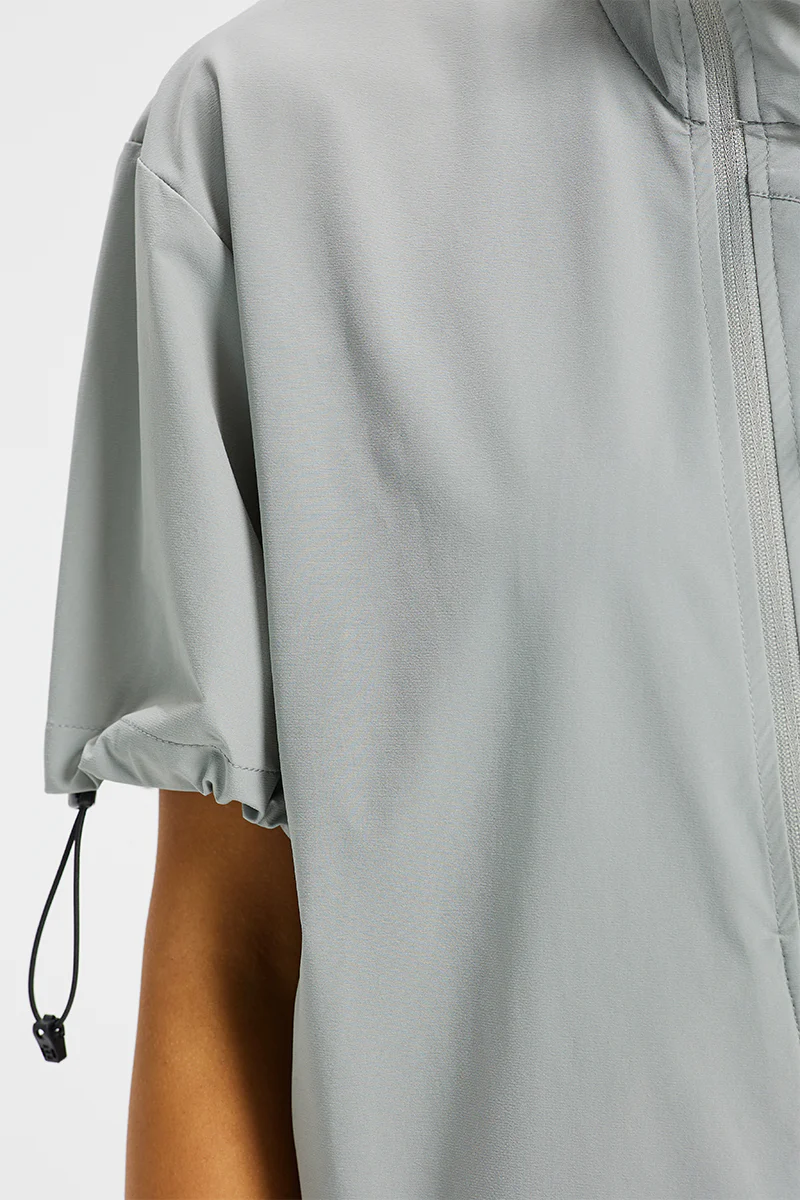
How garments are assembled determines whether they survive repeated wear or disintegrate during first washing. Quality garments feature reinforced seams sewn with adequate thread tension ensuring durability. Hems are finished properly, preventing unraveling. Buttonholes feature bar-tacking preventing stress tears. Zippers are quality hardware replacing easily rather than cheap zippers failing mid-wear. Pockets are lined and reinforced. These details seem minor until you realize garments made without them fail prematurely. Quality construction enables garments surviving years of actual use rather than degrading into unwearable within seasons.
Fit and Personal Style Over Trending Novelty
Fast fashion thrives on constant style changes forcing wardrobe replacement. Yet most people wear consistent style reflecting personal aesthetic. Rather than purchasing new items each season to follow trends, quality pieces worn consistently develop personal significance. Classic silhouettes transcend trends, meaning well-made pieces worn regularly for years remain stylish. Building wardrobe around quality pieces creates coherent style reflecting your authentic preferences rather than trend chasing. Understanding your colors, silhouettes, and style preferences enables purchasing pieces that genuinely work with existing items rather than impulse items worn once.
Cost Per Wear Calculation and True Garment Economics
Expensive garments seem wasteful until you calculate cost per wear. A quality shirt costing $80 worn 200 times costs 40 cents per wear. A cheap shirt costing $20 worn twice costs $10 per wear. This calculation transforms how you evaluate purchases. Investing in pieces you’ll genuinely wear frequently creates superior economics compared to buying cheap items worn rarely. Quality garments justify investment because you’ll wear them extensively. Investing in quality pieces creates better value than purchasing cheap quantity worn sporadically.
Environmental Impact of Sustainable Garment Choices
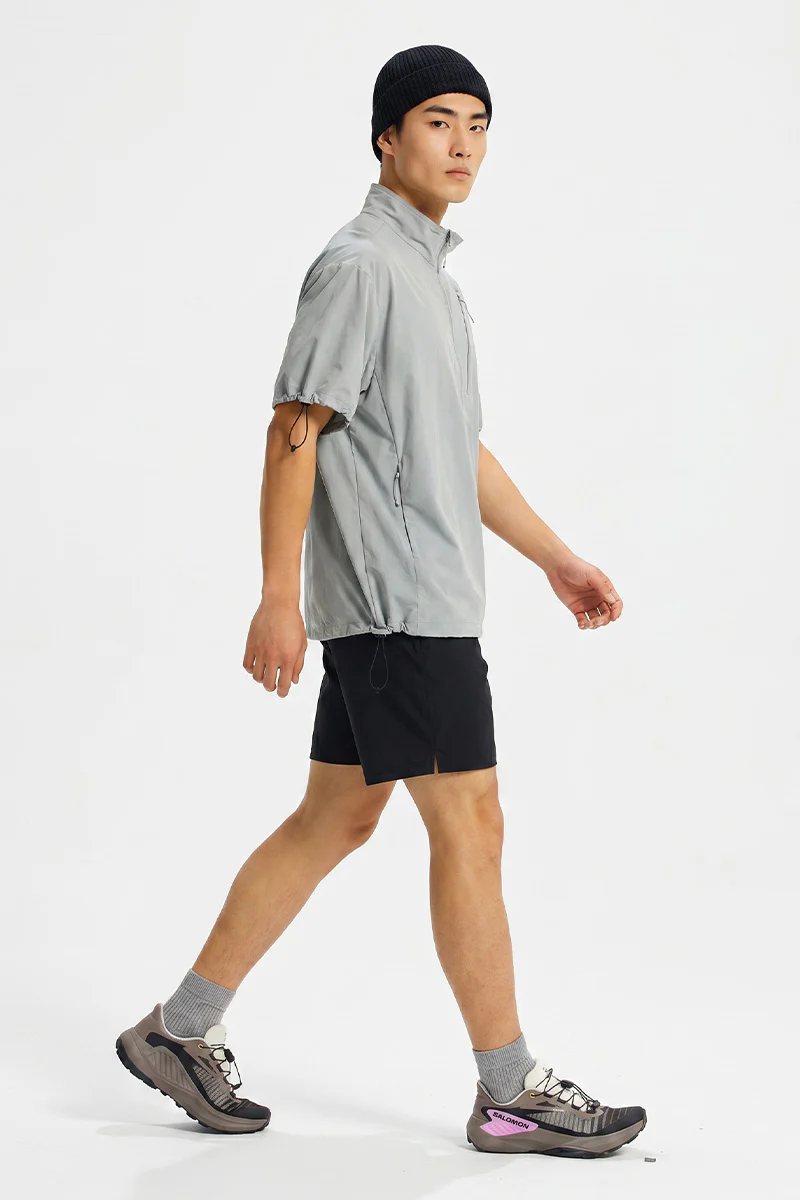
Garment manufacturing consumes enormous resources—water, chemicals, energy. Producing cheap garments encourages maximum consumption because low cost removes purchasing barriers. Buying more means greater resource consumption and textile waste. Purchasing quality instead encourages conservative consumption—you buy fewer pieces lasting longer. This behavior shift reduces aggregate environmental impact substantially. Beyond consumption reduction, ethical production practices minimize chemical usage and worker exploitation. Sustainable garment choices reduce environmental harm while supporting ethical production.
Wardrobe Curation as Personal Practice
Quality garment ownership enables intentional wardrobe curation. Rather than closets overflowing with unwearable items, quality wardrobe remains selective—each piece genuinely works and gets worn. Understanding your aesthetic enables purchasing pieces complementing existing items rather than isolated impulse purchases. This intentionality transforms getting dressed from digging through unwearable options into choosing genuinely flattering pieces. Smaller curated wardrobe proves more functional than massive collections of poor-quality items.
Care Practices Supporting Garment Longevity
- Quality fabrics age beautifully and perform better than synthetic alternatives across comfort and durability dimensions.
- Construction attention determines garment durability—reinforced seams, finished hems, quality hardware ensure multi-year wearability.
- Classic silhouettes remain stylish across years, meaning quality pieces justify long-term investment over trend-chasing cheap alternatives.
- Cost per wear calculation reveals quality pieces worn frequently provide better economics than cheap pieces worn rarely.
- Purchasing fewer quality garments reduces environmental impact while supporting ethical production practices.
- Intentional wardrobe curation creates functional collections of genuinely wearable pieces reflecting personal style.
Your closet reflects your values and priorities. Choosing quality garments demonstrates commitment to sustainability, ethical production, and personal style authenticity. Rather than endless consumption replacing cheaply-made items perpetually, building quality wardrobe creates stability and satisfaction. Wearing garments you love, that fit beautifully, and that will last years transforms clothing from disposable consumer product into meaningful wardrobe foundation. Invest in quality; choose pieces reflecting your authentic style. Quality garments create more functional wardrobes, support ethical production, and enable sustainable fashion choices. Your style deserves quality supporting it authentically.